Mango House Grows Global Food Talent in Aurora's Cultural District
Mango House Aurora runs a restaurant incubator where immigrant chefs serve Sudanese, Syrian and global cuisines from low-cost stalls. Read the full story.
 Prajakta Sanjay Warwadkar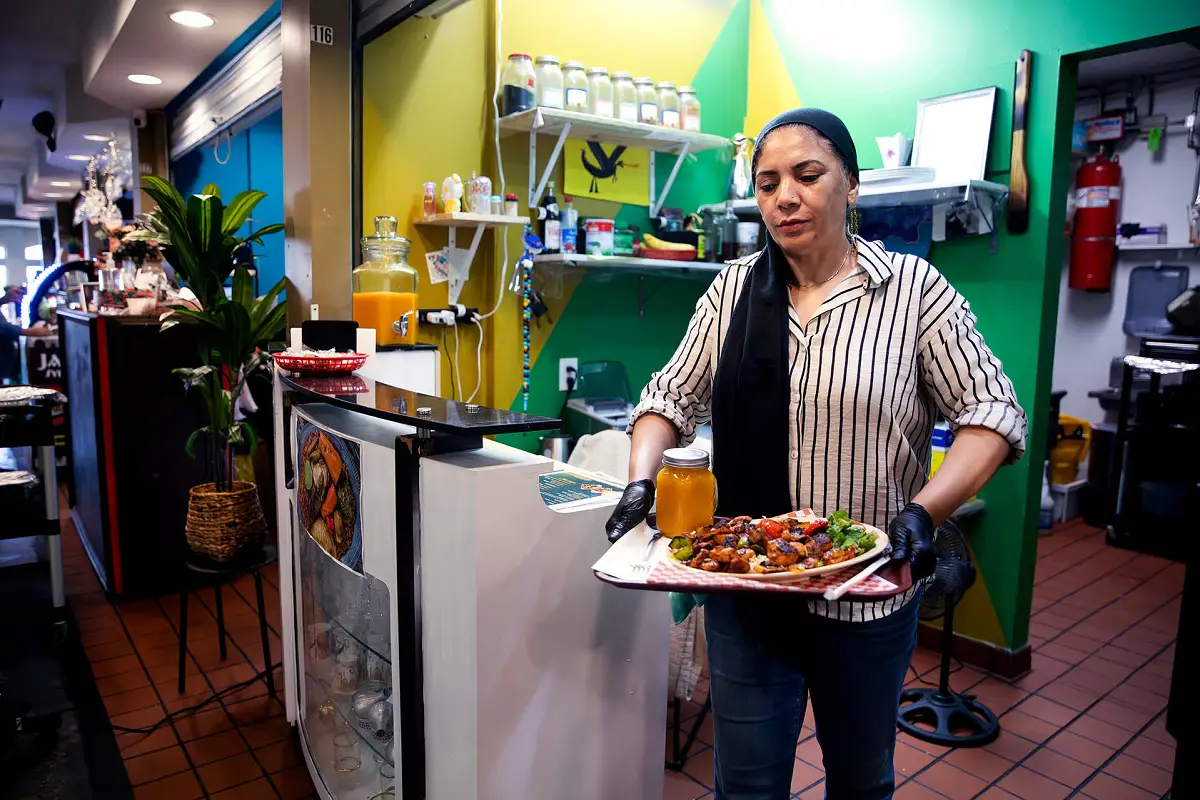
AURORA, Colorado, June 12, 2026 — Mango House, a 56,000-square-foot community hub in Aurora's cultural district, is operating a restaurant incubator that gives immigrant and refugee chefs a low-cost entry into the food business. Half a dozen micro-restaurant stalls on the Colfax Avenue side of the building rent for about $1,500 a month, each serving cuisine from the operator's home country.
The model matters for an industry where startup costs often shut out first-time owners. By bundling small kitchens, shared foot traffic and a built-in community, the incubator lowers the barrier between home cooking and a commercial restaurant.
Mango House Aurora Anchors an International Food Court
The building functions like an indoor market, where visitors can buy traditional clothing and cooking utensils alongside prepared food. A family physician who runs a health clinic inside the building owns the hub, which takes its name from a fruit grown in many of the countries its visitors come from.
Stall operators cook behind partial walls in spaces of roughly 10 square feet of kitchen area, building a family-style atmosphere among neighbours. Customers range from tourists to immigrants seeking a familiar cultural setting.
Sudanese Cuisine Draws Regulars at Tata and Nono Kitchen
Eiman Mahmoud, owner of Tata and Nono Kitchen, has run her Sudanese stall for about a year and a half. Born in Khartoum to a Turkish father and an Egyptian mother, she came to the United States 24 years ago as a refugee and named the business after her two children.
Her signature item is a Sudanese-style chicken sandwich priced around $10, built on a spice blend that includes ginger, peanut butter, cloves, za'atar, paprika and garlic. Eiman Mahmoud, owner of Tata and Nono Kitchen, said of her cooking that "you smell it before you eat it."
The single mother of two has not yet earned enough to cover her monthly rent, a common reality for early-stage food businesses. She keeps prices low deliberately to stay affordable for the community the hub serves.
Jasmine Syrian Food Builds a Catering Pipeline
Neighbouring stall Jasmine Syrian Food is run by Mohamad, a Syrian-born operator in his late twenties who came to the US through Egypt. His vegetarian plates combine roasted-eggplant baba ganoush, slow-prepared Middle Eastern hummus, falafel, stuffed grape leaves and pita, with kunafa and baklava for dessert.
Mohamad said a good day brings a few dozen customers, with traffic rising in warmer months. He supplements stall income with wedding and event catering while working to build a regular customer base.
The incubator is part of a wider story in Aurora, where small, low-budget restaurants serve cuisines rarely found elsewhere in Colorado. For operators like Mahmoud and Mohamad, the stalls offer both a livelihood and a foothold in a new country.
More information about Indian cuisine and its regional diversity can be explored through Indian cuisine history and traditions.
Businesses monitoring hospitality expansion trends can also explore restaurant industry growth trends for 2026 to understand how regional food concepts are shaping dining markets.