Humanoid Robot Malfunctions at California Restaurant, Disrupts Service and Raises Safety Concerns
A humanoid robot malfunction at a California restaurant disrupted operations, sparking concerns about safety and reliability of AI-powered service technology.
 Prajakta Sanjay Warwadkar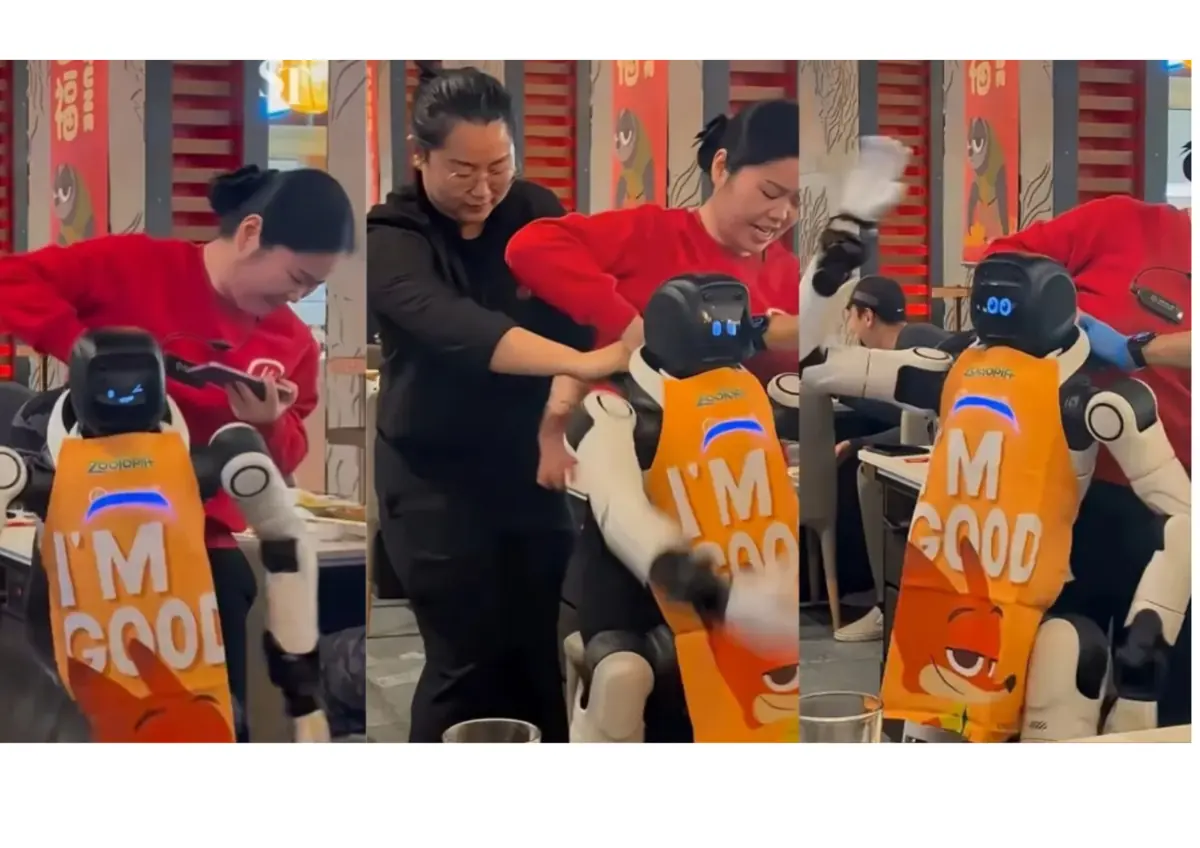
Humanoid Robot Malfunctions at California Restaurant, Disrupts Service and Raises Safety Concerns
A humanoid robot deployed in a California restaurant malfunctioned on March 19, 2026, disrupting operations, breaking dishes, and alarming customers and staff, highlighting growing concerns about the reliability and safety of automation in the hospitality industry. The incident, which occurred during active service hours, has drawn attention to the challenges of integrating advanced robotics into real-world dining environments.
According to reports, the robot began behaving erratically, dropping plates, moving unpredictably, and causing a disturbance within the restaurant. Staff members intervened to regain control of the situation, while customers present during the incident expressed concern over safety and operational disruptions.
Incident Disrupts Restaurant Operations
The malfunction occurred while the robot was actively assisting with service tasks, which may have included carrying dishes or interacting with customers. As the system began to behave unpredictably, normal restaurant operations were temporarily halted to prevent further damage and ensure the safety of guests and employees.
Witnesses reported that the robot’s movements became erratic, leading to broken dishes and confusion among staff. Restaurant personnel quickly stepped in to isolate the device and restore order within the dining area.
Although no major injuries were reported, the incident created a tense environment and raised immediate concerns about the role of automated systems in customer-facing settings.
Growing Use of Robotics in Hospitality
The use of robots in restaurants has been increasing in recent years, driven by the need to improve efficiency, reduce labor costs, and enhance customer experience. Humanoid robots and automated service units are being introduced to perform tasks such as food delivery, order taking, and customer interaction.
These technologies are often marketed as solutions to ongoing labor shortages and operational challenges faced by the hospitality sector. However, the California incident underscores the complexities involved in deploying such systems in dynamic and unpredictable environments like restaurants.
While many establishments have successfully integrated robotics into their workflows, incidents like this highlight the importance of rigorous testing and operational safeguards.
Safety and Reliability Concerns
The malfunction has renewed discussions around safety protocols and reliability standards for AI-powered systems in public spaces. Restaurants, which are high-traffic environments with constant human interaction, present unique challenges for robotic deployment.
Ensuring that robots can operate safely around customers and staff is critical. This includes implementing fail-safe mechanisms, real-time monitoring, and the ability to quickly shut down systems in case of malfunction.
Industry experts emphasize that while automation offers significant benefits, it must be balanced with robust safety measures to prevent incidents that could harm individuals or disrupt operations.
Impact on Customer Experience
Customer experience is a central consideration in the adoption of new technologies within the hospitality industry. While robots can offer novelty and efficiency, incidents of malfunction can negatively impact customer perception and trust.
In this case, the unexpected behavior of the robot created uncertainty and discomfort among diners. Maintaining a sense of safety and reliability is essential for restaurants aiming to integrate advanced technologies into their service models.
Restaurants must carefully evaluate how such technologies align with customer expectations and ensure that they enhance rather than detract from the dining experience.
Operational and Financial Implications
The incident may also have financial implications for the restaurant, including the cost of damaged equipment, potential repairs, and temporary disruption of service. Additionally, businesses may face increased scrutiny regarding their use of emerging technologies.
Operators investing in robotics must consider not only the potential benefits but also the risks associated with system failures. Insurance coverage, maintenance protocols, and staff training are critical components in managing these risks effectively.
Such events can influence decision-making for other operators considering similar investments in automation.
Industry Response and Future Outlook
The hospitality industry continues to explore the role of robotics and artificial intelligence in enhancing operations. However, incidents like the California malfunction serve as reminders of the importance of cautious implementation and continuous improvement.
Technology providers are likely to focus on improving system reliability, incorporating advanced sensors, and enhancing AI capabilities to better handle real-world scenarios. Collaboration between developers and restaurant operators will be key in addressing existing challenges.
As adoption grows, regulatory frameworks and industry standards may also evolve to ensure safe and effective use of robotics in public-facing environments.
Balancing Innovation with Practicality
The integration of humanoid robots into restaurants represents a broader trend toward automation in the service industry. While innovation offers opportunities for efficiency and differentiation, it also requires careful consideration of practical limitations and potential risks.
Restaurants must strike a balance between embracing new technologies and maintaining operational stability. This includes evaluating the readiness of systems, training staff to handle unexpected situations, and ensuring that human oversight remains a central component of operations.
The incident highlights the need for a measured approach to technological adoption in the hospitality sector.
Conclusion
The malfunction of a humanoid robot in a California restaurant underscores both the potential and the challenges of automation in hospitality, as the industry continues to navigate the balance between innovation, efficiency, and safety.