Indian Restaurant in Canada Suspended for 10 Days Over Serving Alcohol to Minor
An Indian restaurant in Canada has been suspended for 10 days after authorities found it served alcohol to a minor without verifying identification.
 Prajakta Sanjay Warwadkar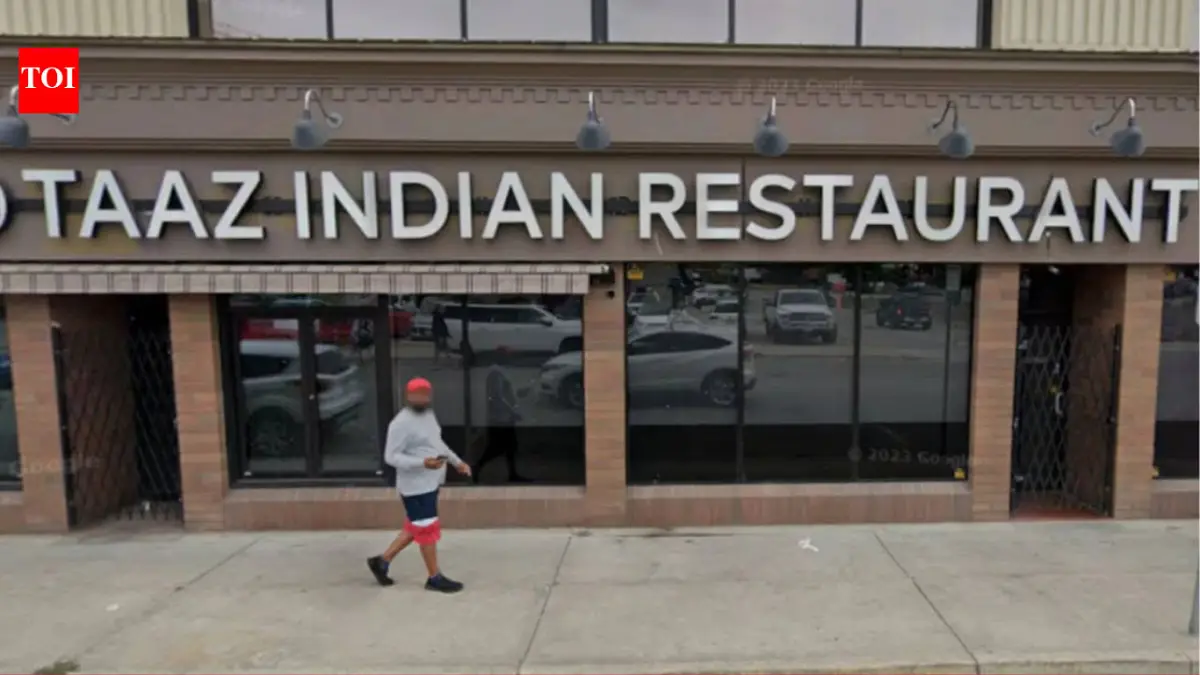
An Indian restaurant in Canada has been handed a 10-day suspension after authorities determined that alcohol was served to a minor without proper identification checks, according to official findings reported in April 2026. The enforcement action highlights ongoing compliance challenges within the foodservice sector regarding age verification and liquor service regulations.
The incident came to light following an inspection or enforcement review in which regulators found that staff failed to verify the age of a customer before serving alcoholic beverages. The violation resulted in a temporary suspension of the restaurant’s operations, reinforcing the strict regulatory framework governing alcohol service in Canada.
Regulatory Violation and Enforcement Action
Authorities imposed a 10-day suspension on the establishment after confirming that alcohol had been served to a minor without checking valid identification. The failure to follow mandated verification procedures constitutes a breach of liquor licensing rules, which require restaurants and bars to confirm legal drinking age before serving alcohol.
Regulatory bodies in Canada enforce strict compliance standards, and violations related to underage drinking are treated with particular seriousness due to associated legal and public safety risks. The suspension serves as both a penalty and a corrective measure intended to ensure adherence to established protocols.
The action reflects a zero-tolerance approach toward non-compliance in alcohol service, particularly in cases involving minors.
Compliance Requirements in Alcohol Service
Restaurants holding liquor licenses are required to implement strict age verification systems, including mandatory ID checks for customers who appear below a certain age threshold. Staff are typically trained to request government-issued identification and refuse service in cases of uncertainty.
The failure to verify identification not only violates licensing conditions but also exposes businesses to penalties such as fines, suspensions, or potential revocation of licenses. In this case, the 10-day suspension underscores the importance of consistent adherence to these procedures.
Operators are expected to maintain clear internal policies and staff training programs to prevent such incidents, particularly in regions with stringent enforcement practices.
Impact on Restaurant Operations
The suspension temporarily halts the restaurant’s operations, directly affecting revenue, staffing schedules, and customer engagement. Even short-term closures can have financial implications, particularly for independent establishments operating in competitive markets.
In addition to immediate revenue loss, regulatory action can also impact brand reputation, as compliance violations may influence customer perception and trust. Restaurants are often required to take corrective measures before resuming operations, including reinforcing staff training and compliance systems.
Such incidents highlight the operational risks associated with non-compliance and the need for robust internal controls within hospitality businesses.
Industry-Wide Compliance Challenges
The case reflects broader challenges within the global restaurant industry related to regulatory compliance and workforce training. Ensuring that all staff consistently follow age verification procedures can be difficult, particularly in high-volume environments where service speed is prioritized.
Industry operators are increasingly investing in training programs, digital verification tools, and compliance audits to reduce the risk of violations. However, enforcement actions continue to occur, indicating gaps in implementation at the operational level.
Regulators often conduct random checks and compliance inspections to monitor adherence, making it essential for businesses to maintain consistent standards across all service interactions.
Legal and Safety Implications
Serving alcohol to minors carries significant legal and safety implications, including potential liability for establishments in the event of related incidents. Regulations are designed to prevent underage drinking and ensure responsible alcohol consumption within licensed premises.
Violations can result in escalating penalties for repeat offenses, including longer suspensions or permanent loss of liquor licenses. As a result, compliance with age verification requirements is considered a critical component of restaurant operations.
The enforcement action in this case serves as a reminder of the legal responsibilities associated with alcohol service and the importance of maintaining strict compliance protocols.
Conclusion
The 10-day suspension of the Indian restaurant in Canada underscores the importance of regulatory compliance in the foodservice industry, particularly in relation to alcohol service. The case highlights the need for consistent staff training, strict adherence to identification checks, and robust operational controls to prevent violations and ensure alignment with legal requirements.