International Restaurant Chains Intensify Expansion, Reshaping US Dining Landscape
International restaurant chains are expanding rapidly in the United States, transforming competition, consumer choices, and dining trends in 2026.
 Prajakta Sanjay Warwadkar
International Restaurant Chains Intensify Expansion, Reshaping US Dining Landscape
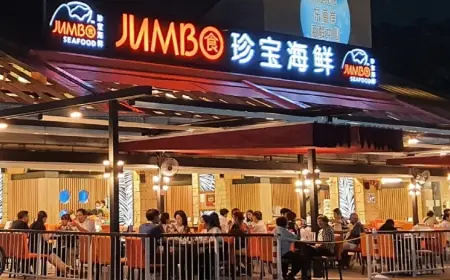
International restaurant chains are accelerating their expansion across the United States in 2026, significantly reshaping the country’s dining landscape by increasing competition, diversifying cuisine offerings, and influencing consumer preferences. The growing presence of global brands reflects a strategic push to capture market share in one of the world’s largest and most competitive foodservice markets.
Operators from regions including Asia, Europe, and the Middle East are entering or scaling their footprint in the US, attracted by strong consumer demand, evolving tastes, and the potential for long-term growth. This expansion is being driven by franchising, partnerships, and direct investment, enabling brands to establish a presence in key urban and suburban markets.
Rising Global Competition in the US Market
The influx of international restaurant chains is intensifying competition across multiple segments, including fast-casual, quick-service, and premium dining. Established domestic brands are increasingly facing pressure from global players offering differentiated menus, pricing strategies, and dining experiences.
International brands often bring unique culinary identities that appeal to consumers seeking diverse and authentic food options. This has contributed to a broader shift in the US market, where diners are becoming more open to exploring global cuisines beyond traditional offerings.
The competitive environment is prompting both international and domestic operators to innovate, adapt, and refine their value propositions.
Changing Consumer Preferences
Consumer demand in the United States is evolving, with increasing interest in international flavors, healthier options, and experiential dining. Global restaurant chains are capitalizing on these trends by introducing menus that reflect their cultural heritage while adapting to local tastes.
Younger consumers, in particular, are driving demand for diverse dining experiences, often influenced by travel, social media, and exposure to global food culture. This demographic is more likely to seek out new and unique concepts, creating opportunities for international brands to gain traction.
The growing acceptance of global cuisines is helping international chains establish a foothold in a traditionally domestic-focused market.
Franchising and Partnerships Fuel Growth
Franchising has emerged as a key strategy for international brands entering the US market. By partnering with local operators, companies can navigate regulatory requirements, understand regional preferences, and scale more efficiently.
Joint ventures and strategic alliances are also playing a significant role in expansion efforts. These partnerships allow international chains to leverage local expertise while maintaining brand consistency and operational standards.
This approach reduces financial risk and accelerates market entry, making it an attractive option for global operators.
Urban Markets as Entry Points
Major cities such as New York, Los Angeles, and Chicago are serving as primary entry points for international restaurant chains. These urban centers offer diverse populations, high foot traffic, and a strong appetite for new dining experiences.
Once established in key metropolitan areas, brands often expand into secondary markets and suburban regions, broadening their reach and customer base. This phased expansion strategy allows companies to build brand recognition before scaling further.
The concentration of international brands in urban areas is contributing to the transformation of city dining scenes.
Impact on Domestic Operators
The growing presence of international chains is influencing domestic restaurant operators to adapt their strategies. Many are investing in menu innovation, technology integration, and customer experience enhancements to remain competitive.
Some domestic brands are also exploring international expansion themselves, seeking to diversify revenue streams and compete on a global scale. The increased competition is fostering a more dynamic and innovative industry environment.
Operators that fail to adapt may face challenges in maintaining market share as consumer expectations continue to evolve.
Menu Innovation and Localization
International restaurant chains are balancing authenticity with localization to succeed in the US market. While maintaining core menu items, many brands are introducing variations tailored to American tastes and dietary preferences.
This approach allows companies to appeal to a broader audience while preserving their unique identity. Menu innovation often includes incorporating local ingredients, adjusting portion sizes, and offering customizable options.
The ability to adapt without compromising brand integrity is a critical factor in long-term success.
Technology and Operational Efficiency
Technology is playing a significant role in supporting the expansion of international restaurant chains. Digital ordering platforms, delivery integration, and data analytics are helping brands optimize operations and enhance customer convenience.
Efficient supply chain management is also essential, particularly for brands sourcing specialized ingredients. Investments in logistics and infrastructure enable companies to maintain consistency and quality across locations.
Operational efficiency is key to sustaining growth in a competitive market.
Economic and Employment Impact
The expansion of international restaurant chains is contributing to economic activity in the United States, including job creation and increased demand for local suppliers. New restaurant openings generate employment opportunities across various roles, from kitchen staff to management positions.
In addition to direct employment, the growth of global brands supports ancillary industries such as logistics, real estate, and marketing. The economic impact extends beyond individual businesses, benefiting local communities and the broader hospitality sector.
These developments highlight the role of international investment in supporting industry growth.
Challenges in Market Entry
Despite opportunities, international chains face several challenges when entering the US market. Regulatory requirements, high operating costs, and intense competition can pose significant barriers to entry.
Understanding local consumer behavior and adapting to regional differences are also critical. Brands that fail to effectively localize their offerings may struggle to gain acceptance among American diners.
Careful planning and execution are essential to overcoming these challenges and achieving sustainable growth.
Future Outlook
The presence of international restaurant chains in the United States is expected to continue growing, driven by globalization, changing consumer preferences, and the pursuit of new market opportunities. As more brands enter the market, competition is likely to intensify, leading to further innovation and diversification.
Operators that successfully combine global appeal with local relevance will be best positioned to thrive in this evolving landscape. The ongoing expansion of international chains is set to play a defining role in shaping the future of the US restaurant industry.
Conclusion
The rapid expansion of international restaurant chains is transforming the US dining market in 2026, increasing competition and broadening consumer choices while driving innovation across the hospitality sector.