Israeli Restaurant in Germany Draws Attention Amid Rising Focus on Cultural Dining Spaces
An Israeli restaurant in Germany gains attention, highlighting cultural dining trends and the role of international cuisine in urban hospitality spaces.
 Prajakta Sanjay Warwadkar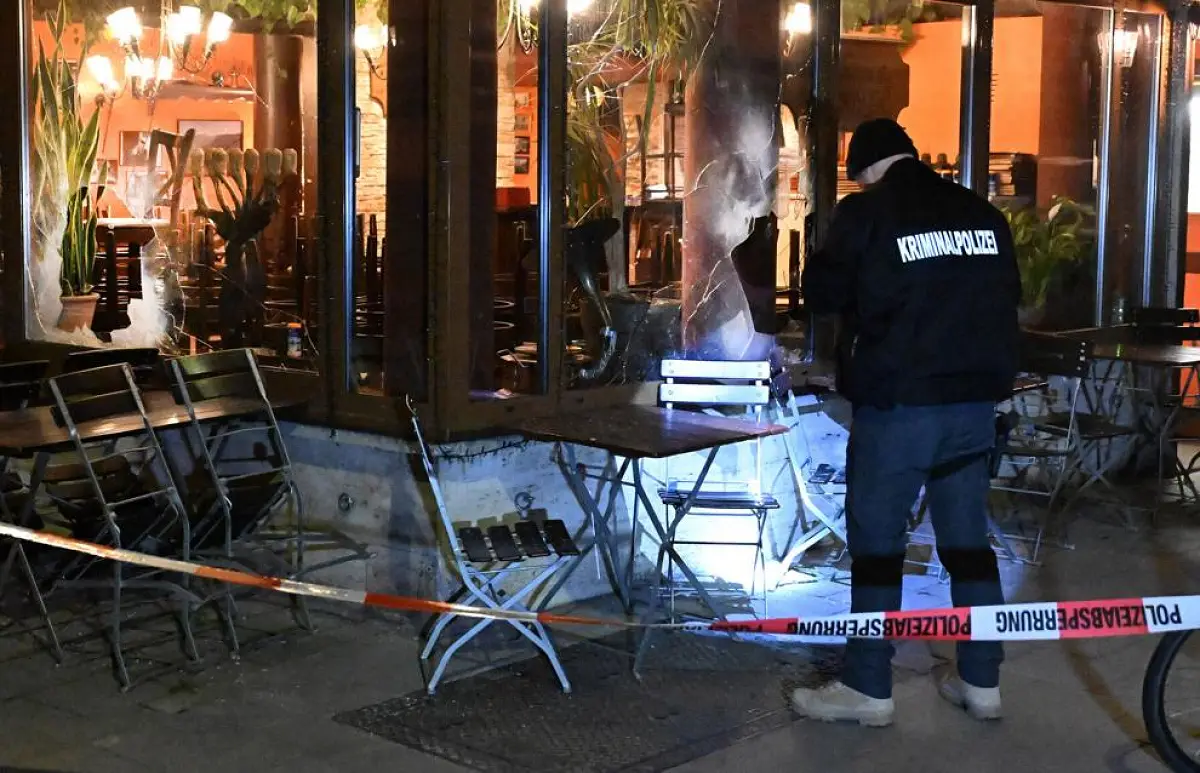
An Israeli restaurant in Germany has come into focus in 2026, drawing attention to the role of culturally rooted dining spaces within the country’s hospitality sector. The development highlights how international cuisine concepts continue to shape urban dining landscapes across Europe, particularly in cities with diverse populations and evolving consumer preferences.
The restaurant represents a segment of the foodservice industry that emphasizes cultural identity through cuisine, ambience, and service approach. Its presence reflects growing demand for authentic international dining experiences, as consumers increasingly seek offerings that go beyond conventional formats.
Emergence of Cultural Dining Concepts
The Israeli restaurant’s visibility underscores the broader emergence of culturally driven dining concepts in Germany. Restaurants centered on specific regional or national cuisines have gained traction in recent years, supported by demographic diversity and changing consumer expectations.
Operators in this segment often focus on authenticity, incorporating traditional recipes, preparation methods, and design elements that reflect cultural heritage. This approach enables restaurants to differentiate themselves in competitive markets while catering to both local patrons and international audiences.
The concept aligns with a wider shift toward experiential dining, where the overall environment plays a key role alongside the food offering.
Position Within Germany’s Hospitality Market
Germany’s restaurant sector has seen steady growth in international cuisine offerings, particularly in major urban centers. The inclusion of Israeli cuisine contributes to a broader mix of global food concepts that define the country’s dining landscape.
Restaurants that highlight distinct culinary identities are increasingly positioned as destinations rather than purely functional dining spaces. This positioning supports higher engagement levels and repeat visits, especially among customers seeking new or culturally immersive experiences.
The Israeli restaurant’s presence reflects this dynamic, where diversity in cuisine is becoming a central component of hospitality development.
Consumer Demand for Authentic Experiences
Demand for authenticity continues to influence dining choices across Europe. Consumers are placing greater value on originality, sourcing, and storytelling, which are often integral to culturally focused restaurant concepts.
Israeli cuisine, known for its blend of Middle Eastern flavors and influences, appeals to a broad audience due to its variety and adaptability. Restaurants offering such cuisine typically emphasize fresh ingredients, traditional cooking methods, and a balance between heritage and contemporary presentation.
This demand has encouraged operators to invest in concept development that highlights cultural narratives, creating a more engaging dining environment.
Industry Trends and Competitive Landscape
The attention surrounding the restaurant also reflects ongoing trends within the European foodservice industry. As competition intensifies, differentiation through concept and cuisine has become a key strategy for attracting customers.
International cuisine categories continue to expand, with operators introducing new formats and menu innovations to capture market share. Cultural dining concepts, in particular, offer opportunities for storytelling and brand identity, which can enhance visibility in crowded markets.
At the same time, maintaining consistency in quality and service remains essential for long-term sustainability, especially in segments that rely heavily on authenticity and customer perception.
Current Context and Sector Outlook
The emergence of Israeli cuisine within Germany’s restaurant sector illustrates the ongoing evolution of dining preferences. As urban populations become more diverse and globally connected, demand for varied culinary experiences is expected to persist.
Restaurants that successfully integrate cultural elements with operational efficiency are likely to remain competitive in this environment. The focus on authenticity, combined with a structured approach to service and design, continues to shape how new concepts are introduced and received in the market.
The attention surrounding the Israeli restaurant highlights how international cuisine remains a driving force in the development of Europe’s hospitality industry, contributing to a more diverse and experience-oriented dining ecosystem.