Japan Cherry Blossom Season Hit by Record Food Prices as Festival Costs Surge in 2026
Japan’s cherry blossom season in 2026 is seeing record food price increases, impacting traditional hanami celebrations and raising concerns for consumers and vendors.
 Prajakta Sanjay Warwadkar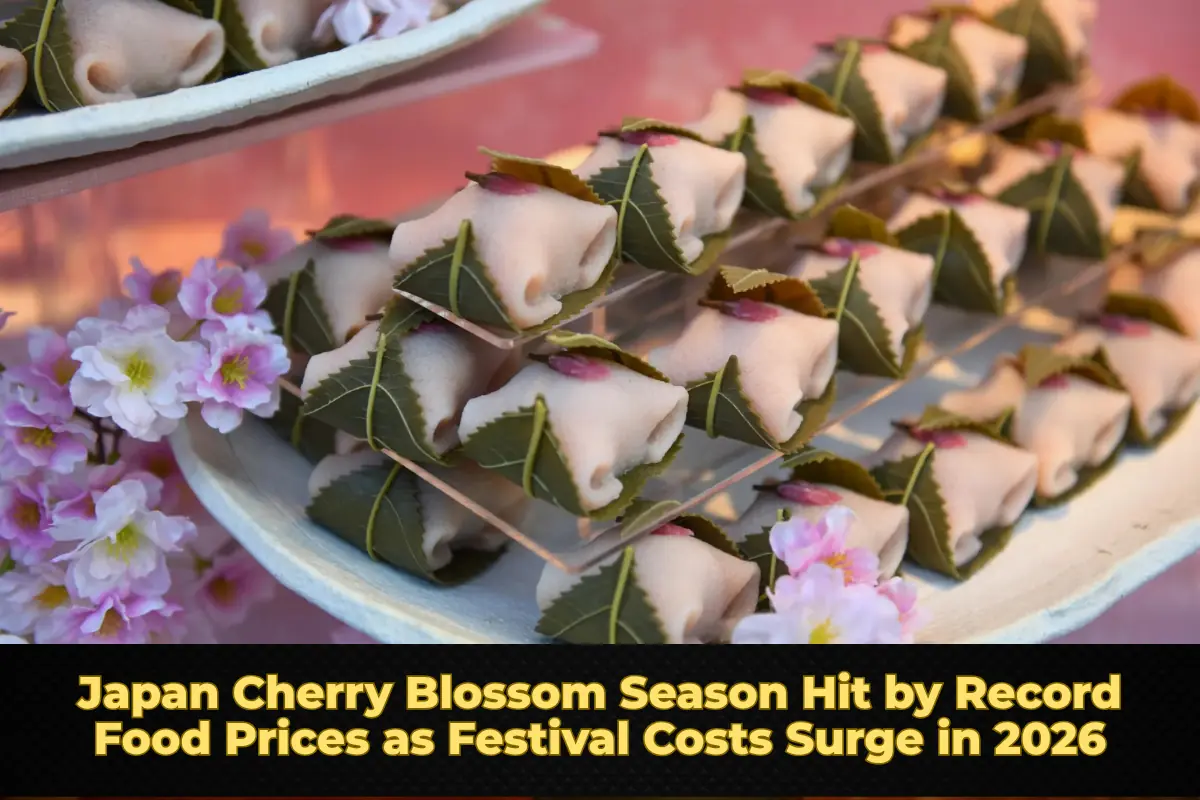
Japan Cherry Blossom Season Hit by Record Food Prices as Festival Costs Surge in 2026
Japan’s iconic cherry blossom season in March 2026 is being overshadowed by record-high food prices, affecting traditional hanami gatherings across the country as both consumers and vendors grapple with rising costs. The annual celebrations, which typically draw millions to parks for picnics under blooming sakura trees, are seeing significant price increases in food and beverages due to inflationary pressures and higher supply costs.
The surge in prices is being felt nationwide, with popular hanami destinations in cities such as Tokyo, Kyoto, and Osaka reporting higher-than-usual costs for street food, takeaway meals, and picnic essentials. The increase is driven by a combination of rising ingredient prices, supply chain challenges, and currency fluctuations impacting imports.
Rising Costs Impact Traditional Hanami Celebrations
Hanami, the centuries-old tradition of enjoying cherry blossoms with food and drink, is a key cultural and social event in Japan. However, in 2026, many participants are adjusting their plans due to higher expenses. Families and groups are either reducing spending or opting for simpler meals as the cost of prepared food and beverages continues to climb.
Popular items such as bento boxes, grilled skewers, and seasonal sweets have seen noticeable price hikes compared to previous years. Vendors operating temporary stalls in parks are also facing increased operational costs, which are being passed on to customers.
The situation has altered the atmosphere of the celebrations, with some attendees expressing concern that the rising costs could limit accessibility and participation in the tradition.
Inflation and Supply Chain Pressures Drive Price Increases
The rise in food prices during the cherry blossom season reflects broader economic trends in Japan. Inflation has been driven by higher global commodity prices, increased energy costs, and supply chain disruptions affecting the availability and cost of ingredients.
Imported food items, in particular, have become more expensive due to currency fluctuations, placing additional pressure on businesses that rely on international supply chains. Domestic producers are also experiencing higher production costs, contributing to overall price increases.
These factors have combined to create a challenging environment for both food vendors and restaurants, especially during peak demand periods such as the hanami season.
Vendors Struggle to Balance Pricing and Demand
Food vendors operating during the cherry blossom season are facing difficult decisions as they attempt to balance profitability with customer demand. While higher prices are necessary to cover increased costs, there is concern that excessive pricing could deter customers and reduce sales volumes.
Some vendors have opted to reduce portion sizes or adjust menus to manage costs, while others are focusing on offering value combinations to maintain customer interest. Despite these efforts, margins remain under pressure as input costs continue to rise.
The situation highlights the vulnerability of seasonal businesses that rely heavily on short-term events for revenue generation.
Restaurants and Retailers See Ripple Effects
The impact of rising food prices is not limited to street vendors. Restaurants located near popular cherry blossom viewing spots are also experiencing increased costs, which are being reflected in menu pricing. Many establishments have introduced seasonal offerings tied to the hanami theme, but higher ingredient costs are affecting profitability.
Retailers selling packaged foods and beverages are similarly adjusting prices, with consumers noticing increases in everyday items typically purchased for picnics. The cumulative effect is a more expensive overall experience for those participating in the seasonal festivities.
Industry analysts note that the trend could influence consumer behavior beyond the festival period, as households become more cautious with discretionary spending.
Tourism and Economic Implications
The cherry blossom season is a major driver of domestic and international tourism in Japan, contributing significantly to the hospitality and retail sectors. Higher costs could influence tourist spending patterns, particularly among budget-conscious travelers.
While visitor numbers remain strong, there is a growing emphasis on value, with tourists seeking affordable dining options and alternative experiences. This shift may impact revenue distribution across the sector, benefiting lower-cost providers while challenging premium offerings.
Local economies that depend on seasonal tourism are closely monitoring the situation, as sustained price increases could affect long-term growth.
Consumer Adaptation and Changing Trends
Consumers are adapting to the rising costs in various ways, including bringing homemade food to hanami gatherings or choosing less expensive dining options. This shift reflects a broader trend toward cost-conscious behavior amid economic uncertainty.
At the same time, some consumers continue to prioritize the experience, viewing the cherry blossom season as a special occasion worth the additional expense. This divergence in spending patterns highlights the complexity of consumer responses to inflation.
The evolving dynamics are prompting businesses to rethink their strategies, focusing on flexibility and customer engagement to maintain competitiveness.
Outlook for the Hospitality Sector
The current situation underscores the challenges facing Japan’s hospitality industry as it navigates rising costs and changing consumer expectations. While the cherry blossom season remains a significant cultural and economic event, businesses must adapt to ensure sustainability.
Operators are exploring measures such as supply chain optimization, menu innovation, and cost management to mitigate the impact of inflation. Collaboration with local suppliers and increased efficiency are also being prioritized.
Industry experts suggest that while short-term pressures are likely to persist, the long-term outlook will depend on broader economic conditions and the ability of businesses to adjust to evolving market realities.
Conclusion
Japan’s 2026 cherry blossom season highlights the growing impact of food inflation on traditional celebrations, with rising costs reshaping consumer behavior and posing challenges for vendors and the broader hospitality industry.