Kerala restaurants cut menus as fuel and LPG costs rise
Kerala restaurants trim menus as fuel and LPG costs rise, pushing eateries to focus on dosas and biryani. Read the full report.
 Ekta Mathew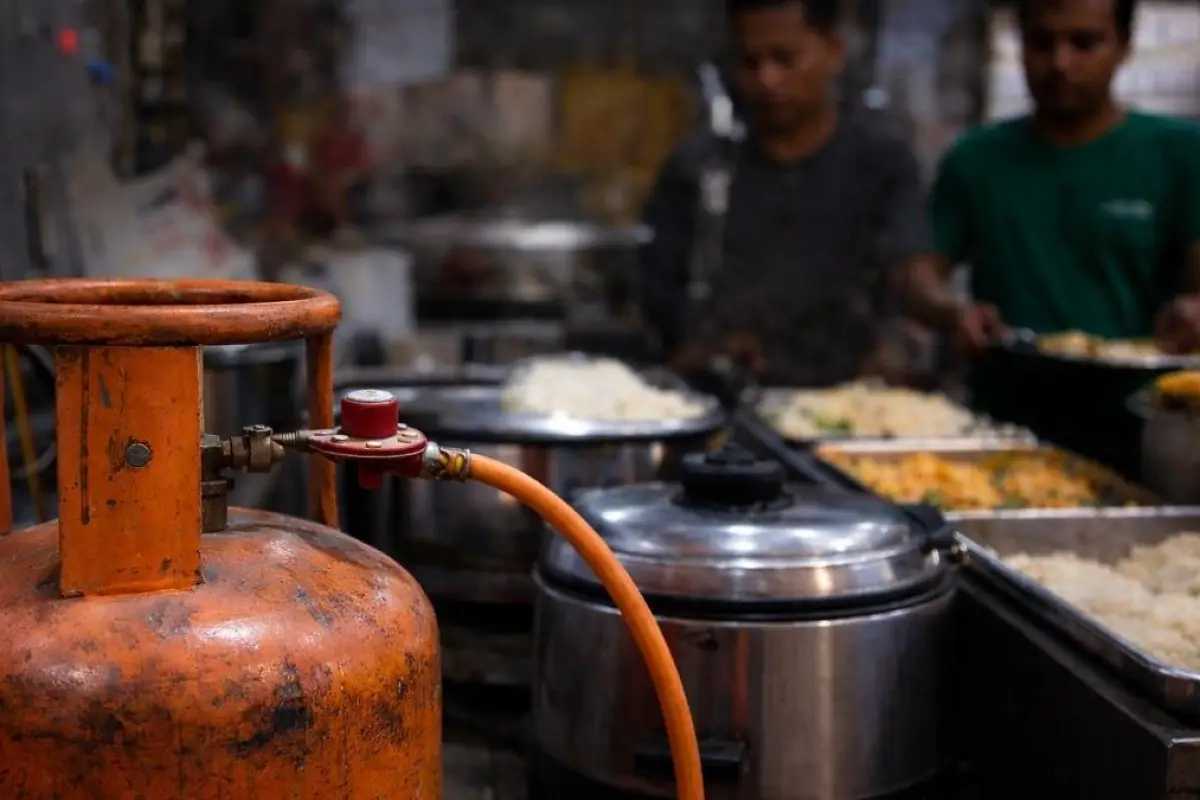
KOCHI, June 8, 2026 — Kerala restaurants increasingly drop full meals and multi-item menus as rising fuel and LPG prices squeeze operating margins across the state. Many eateries now rely on limited offerings such as dosas and biryani to stay afloat.
The shift affects small and mid-sized restaurants in urban and semi-urban areas of , where cooking fuel and transport costs rise steadily over the past year.
Kerala restaurants face rising operating costs
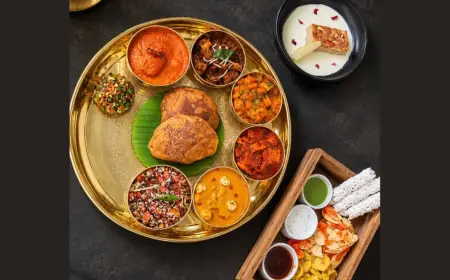
Restaurant owners cite higher LPG cylinder prices, increased transport charges and volatile vegetable rates as key reasons for cutting menu items. Cooking full meals requires multiple gravies, sides and longer stove time, raising fuel consumption.
“A limited menu helps control gas usage and reduce food waste,” said Sunil Kumar, owner of a family-run restaurant in Kochi. “Dosas and biryani sell consistently and require fewer ingredients.”
Fuel prices reshape kitchen decisions
Fuel costs affect restaurants beyond cooking. Delivery of rice, vegetables and meat now costs more due to diesel price fluctuations. Vendors pass on these expenses to eateries, tightening margins further.
According to data from the Indian Oil LPG price portal, commercial LPG prices remain significantly higher than pre-2024 levels.
Small eateries feel the maximum pressure
Independent restaurants and roadside hotels face the brunt of the cost surge. Unlike large chains, they lack bulk purchasing power or centralized kitchens.
In , several neighborhood restaurants now serve meals only during lunch hours, switching to single-dish menus in the evening.
Customer habits also change
Customers increasingly opt for quick, affordable meals rather than elaborate spreads. Restaurant owners report steady demand for breakfast dosas and evening biryani parcels.
“People ask for value and speed,” said Ramesh Nair, secretary of a local hotel association in . “Restaurants adapt to what sells every day.”
Industry seeks policy relief
Restaurant associations continue to request lower commercial LPG rates and stable fuel pricing to prevent further closures. Industry representatives say menu reductions signal deeper stress in the sector.
State-level discussions on easing energy costs for small businesses remain ongoing, according to officials from the food and civil supplies department.
More information about Indian cuisine and its regional diversity can be explored through Indian cuisine history and traditions.
Businesses monitoring hospitality expansion trends can also explore restaurant industry growth trends for 2026 to understand how regional food concepts are shaping dining markets.