Korean Cuisine Gains Popularity in Canberra as Diners Embrace Diverse Restaurant Scene
Korean restaurants in Canberra are gaining popularity as diners seek diverse global cuisines, boosting the city’s evolving food and hospitality landscape.
 Prajakta Sanjay Warwadkar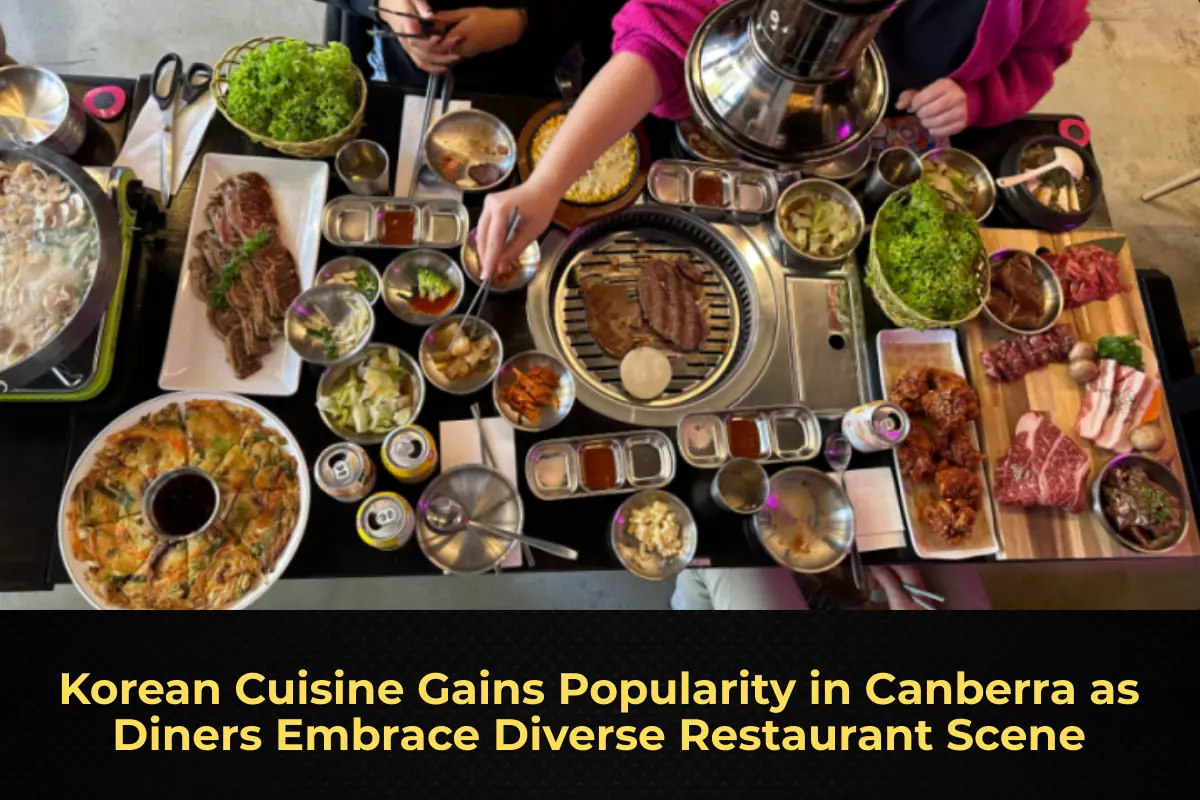
Korean Cuisine Sees Rising Popularity in Canberra’s Dining Scene
Korean cuisine is experiencing a surge in popularity in Canberra, Australia, as diners increasingly seek diverse and globally inspired food experiences, driving growth in the city’s restaurant sector. The trend, observed in early 2026, highlights changing consumer preferences toward bold flavors, interactive dining, and authentic cultural food offerings across the capital’s hospitality landscape.
Restaurants specializing in Korean dishes have expanded their presence across Canberra, offering everything from traditional barbecue experiences to modern interpretations of classic recipes. This growth reflects a broader shift within the food industry, where global cuisines are gaining traction among consumers eager to explore new tastes and dining formats.
Expanding Presence of Korean Restaurants
The number of Korean dining establishments in Canberra has steadily increased over recent years, with both independent operators and established brands contributing to the expansion. These restaurants are catering to a wide demographic, including local residents, students, and visitors seeking unique culinary experiences.
Menus typically feature a variety of well-known dishes such as Korean barbecue, bibimbap, fried chicken, and stews, alongside a selection of side dishes known as banchan. The diversity of offerings allows restaurants to appeal to both newcomers and those familiar with Korean cuisine.
The growth of this segment is also supported by Canberra’s evolving food culture, which has become more receptive to international influences and experimental dining concepts.
Changing Consumer Preferences Drive Demand
The rising interest in Korean cuisine is closely linked to broader changes in consumer behavior. Diners are increasingly prioritizing experiences that go beyond traditional meals, seeking interactive and social dining formats that encourage sharing and engagement.
Korean barbecue, in particular, has gained popularity for its interactive nature, allowing customers to cook their own food at the table. This format not only enhances the dining experience but also aligns with social dining trends, making it a preferred choice for group gatherings and celebrations.
Additionally, the bold and distinctive flavors of Korean cuisine, characterized by the use of spices, fermented ingredients, and rich sauces, appeal to consumers looking for something different from conventional offerings.
Influence of Global Cultural Trends
The growing popularity of Korean cuisine in Canberra is also influenced by the global rise of Korean culture, including music, film, and television. Increased exposure to Korean media has contributed to greater awareness and interest in the country’s food traditions.
This cultural influence has encouraged more diners to explore Korean restaurants, driving demand and supporting the expansion of the segment. Hospitality operators have responded by introducing authentic menu items while also adapting certain offerings to suit local tastes.
The integration of cultural elements into the dining experience further enhances the appeal of Korean restaurants, creating a connection between food and broader cultural trends.
Competitive and Diverse Dining Landscape
Canberra’s restaurant industry has become increasingly competitive, with a wide range of cuisines represented across the city. The introduction and growth of Korean restaurants add to this diversity, providing consumers with more options and contributing to a dynamic dining environment.
Operators are focusing on differentiation through menu innovation, interior design, and customer experience to stand out in the market. Korean restaurants, in particular, often emphasize authenticity and atmosphere, incorporating traditional elements into their spaces.
This competitive landscape encourages continuous improvement and innovation, benefiting both businesses and consumers.
Economic Impact on the Hospitality Sector
The expansion of Korean restaurants in Canberra is contributing to the local economy by creating jobs, supporting suppliers, and attracting diners to various neighborhoods. Hospitality businesses play a key role in economic activity, particularly in urban centers where dining is an integral part of social life.
Increased interest in global cuisines can also boost tourism, as visitors seek out unique dining experiences during their stay. Restaurants that offer distinctive culinary concepts are often able to attract both local and international customers.
The continued growth of the sector is expected to support further investment in Canberra’s hospitality industry.
Focus on Authenticity and Quality
One of the key factors driving the success of Korean restaurants is their emphasis on authenticity and quality. Many establishments prioritize traditional cooking methods, high-quality ingredients, and attention to detail in preparation and presentation.
This focus helps build trust with customers and ensures a consistent dining experience. At the same time, some restaurants are experimenting with fusion concepts, blending Korean flavors with other cuisines to create innovative dishes.
The balance between authenticity and innovation allows operators to appeal to a wide audience while maintaining the integrity of the cuisine.
Role of Social Media and Digital Platforms
Social media has played a significant role in promoting Korean restaurants and driving consumer interest. Platforms that highlight visually appealing dishes and unique dining experiences have helped increase visibility for these establishments.
Customers often share their dining experiences online, contributing to word-of-mouth marketing and influencing others to visit. This digital exposure has become an important tool for restaurants looking to build their brand and attract new customers.
Online reviews and recommendations also shape consumer decisions, further supporting the growth of popular dining trends.
Future Outlook for Korean Cuisine in Canberra
The outlook for Korean cuisine in Canberra remains positive, with continued demand expected to drive further expansion in the coming years. As more operators enter the market, the range of offerings is likely to increase, providing consumers with even greater choice.
Restaurants that can adapt to changing preferences, maintain high standards, and deliver memorable experiences are well positioned to succeed in this evolving landscape.
The integration of technology, innovative menu concepts, and sustainability practices may also influence the future development of the segment.
Conclusion
The growing popularity of Korean restaurants in Canberra reflects broader trends within the global hospitality industry, where diversity, authenticity, and experiential dining are becoming increasingly important. As consumer interest continues to rise, the segment is expected to play a significant role in shaping the city’s culinary landscape.
The trend remains ongoing, with Korean cuisine firmly establishing itself as a key component of Canberra’s evolving restaurant scene.