Korean TV Show Highlights Rising Popularity of Unique Restaurant Concepts Among Younger Diners
A Korean television feature spotlights the growing popularity of unique and themed restaurant concepts, driven by younger consumers seeking immersive dining experiences in 2026.
 Prajakta Sanjay Warwadkar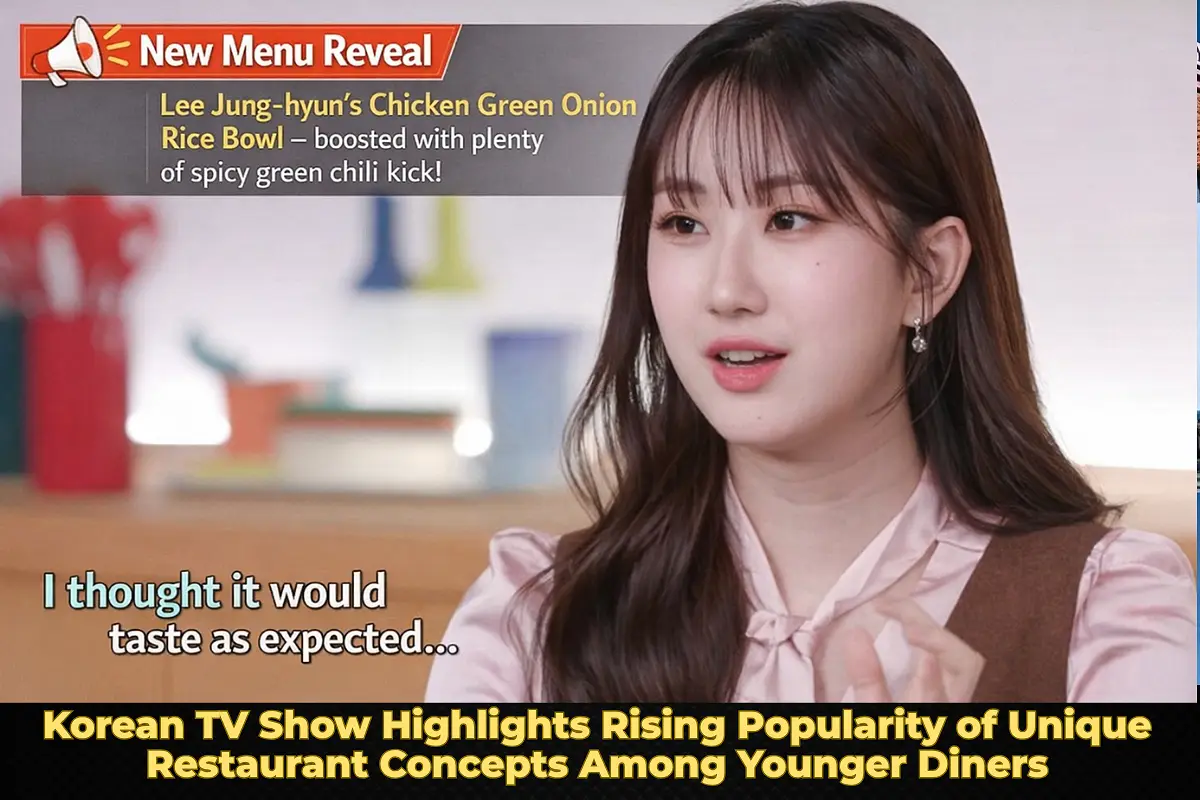
Korean TV Show Highlights Rising Popularity of Unique Restaurant Concepts Among Younger Diners
A recent Korean television broadcast in March 2026 has highlighted the growing popularity of unique and themed restaurant concepts across South Korea, with younger consumers driving demand for immersive and experience-focused dining. The feature examined how innovative restaurant formats are reshaping the country’s hospitality landscape, particularly in urban centers where competition is intensifying.
The program focused on a range of establishments that go beyond traditional dining by incorporating distinctive themes, creative interiors, and interactive elements. These restaurants are increasingly attracting younger diners who prioritize memorable experiences alongside food quality.
Shift Toward Experiential Dining
The television segment underscored a significant shift in consumer behavior, with diners—particularly those in their 20s and 30s—seeking more than just meals. Restaurants are responding by offering immersive environments, storytelling elements, and visually striking designs that enhance the overall dining experience.
This trend reflects a broader movement within the global hospitality industry, where experiential dining has become a key differentiator. In South Korea, the concept has gained strong traction due to the country’s digitally connected population and its emphasis on social sharing.
Restaurants that provide unique settings are more likely to generate online engagement, further amplifying their visibility and appeal.
Role of Media and Pop Culture
The broadcast highlighted the influence of media and pop culture in shaping dining trends. Television programs, social media platforms, and online reviews play a crucial role in promoting new concepts and driving customer interest.
Featured restaurants often experience a surge in visitors following media exposure, as audiences are eager to explore the locations showcased on popular programs. This dynamic has created a strong link between entertainment and the restaurant industry.
Operators are increasingly leveraging media opportunities to build brand awareness and attract new audiences.
Creative Concepts and Themed Spaces
The restaurants featured in the program demonstrated a wide range of creative approaches, from retro-inspired interiors to futuristic designs and niche cultural themes. These concepts are designed to transport diners into different environments, making each visit a distinctive experience.
In addition to aesthetics, many establishments incorporate interactive elements such as live cooking stations, customizable menus, and themed events. These features enhance engagement and encourage repeat visits.
The emphasis on creativity is helping restaurants stand out in a crowded market.
Impact on Business Performance
The rise of themed and experiential dining is having a measurable impact on business performance. Restaurants that successfully create unique concepts are reporting increased foot traffic, higher customer retention, and stronger brand recognition.
However, maintaining these concepts requires ongoing investment in design, marketing, and innovation. Operators must continuously refresh their offerings to keep customers engaged and sustain interest over time.
Balancing creativity with operational efficiency remains a key challenge for many businesses.
Influence of Social Media Engagement
Social media platforms are playing a central role in the success of these restaurant concepts. Visually appealing interiors and dishes encourage customers to share their experiences online, effectively turning diners into brand ambassadors.
This organic promotion can significantly extend a restaurant’s reach, attracting new customers without the need for traditional advertising. The ability to create “shareable” moments has become a critical factor in concept development.
Restaurants are increasingly designing spaces and menus with social media in mind.
Competitive Landscape in Urban Markets
South Korea’s urban dining scene is highly competitive, with new restaurants opening regularly and vying for consumer attention. Unique concepts provide a way for operators to differentiate themselves and capture market share.
The trend is particularly evident in cities like Seoul, where consumers have access to a wide variety of dining options. Establishments that fail to innovate risk being overshadowed by more dynamic competitors.
This competitive pressure is driving continuous experimentation and creativity within the industry.
Challenges and Sustainability
While themed restaurants offer strong initial appeal, sustaining long-term success can be challenging. Concepts that rely heavily on novelty may struggle to maintain customer interest once the initial excitement fades.
Operators must ensure that food quality and service remain consistent, as these factors ultimately determine repeat business. Additionally, the cost of maintaining elaborate designs and themes can impact profitability.
Successful restaurants are those that combine strong fundamentals with innovative concepts.
Future Outlook for Themed Dining
The television feature suggests that the demand for unique dining experiences is likely to continue growing, driven by evolving consumer preferences and the influence of digital culture. Restaurants are expected to further explore new themes, technologies, and interactive elements to enhance engagement.
As the industry evolves, the integration of creativity and functionality will be essential for long-term success. Operators who can adapt to changing trends while maintaining quality are likely to thrive in this dynamic environment.
The continued rise of experiential dining underscores a broader transformation in how consumers interact with restaurants.
Conclusion
The Korean television spotlight on themed restaurants reflects a wider shift toward experience-driven dining, with younger consumers shaping the future of the hospitality industry through their demand for creativity, engagement, and memorable experiences.