Miami Seafood Restaurant Imports Fresh Fish From Japan to Redefine Premium Dining Experience
Miami seafood restaurant imports fresh fish from Japan, offering premium sushi-grade seafood and elevating the city’s fine dining experience.
 Prajakta Sanjay Warwadkar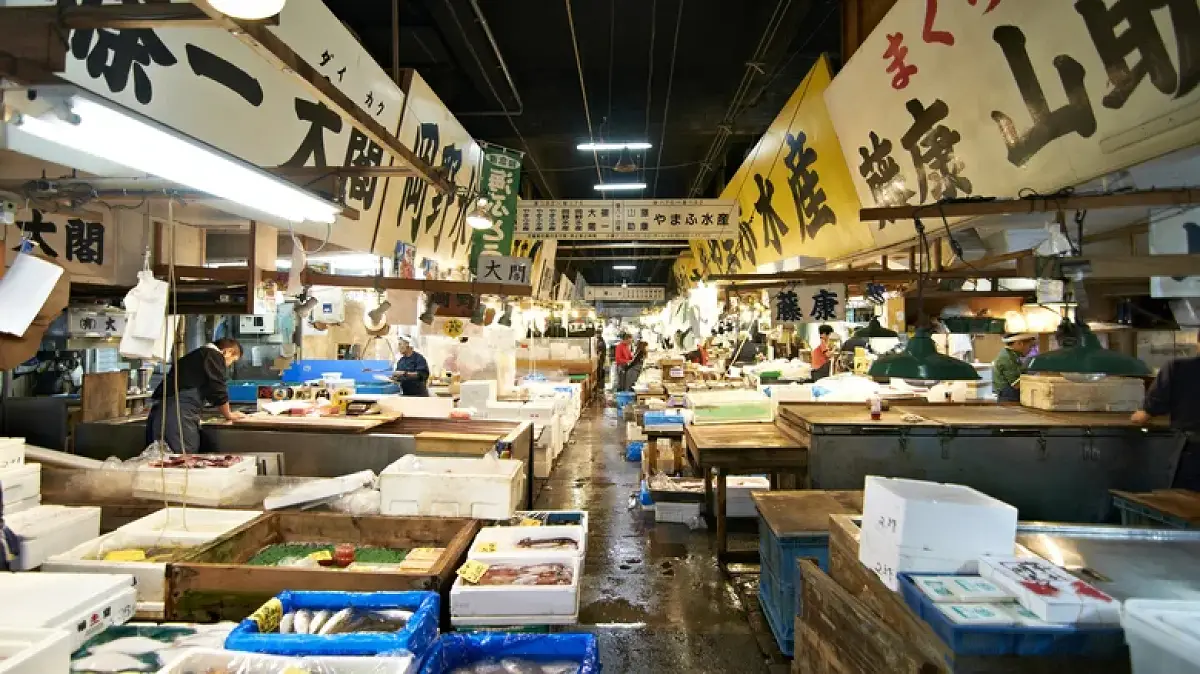
Miami Seafood Restaurant Imports Fresh Fish From Japan to Redefine Premium Dining Experience
The Miami seafood restaurant imports fresh fish from Japan, introducing a new level of quality and authenticity to the city’s dining scene. By sourcing seafood directly from Japanese markets, the restaurant is setting a benchmark for freshness, flavor, and culinary excellence.
As global food trends continue to influence local markets, the Miami seafood restaurant imports fresh fish from Japan to meet growing consumer demand for premium and authentic dining experiences. This approach reflects a broader shift toward high-quality sourcing and international culinary standards.
Miami Seafood Restaurant Imports Fresh Fish From Japan to Elevate Quality
Direct sourcing from Japanese markets
The Miami seafood restaurant imports fresh fish from Japan by establishing direct supply chains with renowned fish markets. This ensures that seafood is transported quickly and handled with precision.
The result is a product that maintains its original texture, flavor, and nutritional value, offering diners an unmatched experience.
Ensuring freshness and authenticity
Freshness is the cornerstone as the Miami seafood restaurant imports fresh fish from Japan. Advanced logistics and cold-chain systems play a critical role in preserving quality during transit.
This commitment to authenticity allows the restaurant to deliver dishes that closely resemble those found in Japan.
Miami Seafood Restaurant Imports Fresh Fish From Japan and Culinary Innovation
Fusion of Japanese techniques and local flavors
The Miami seafood restaurant imports fresh fish from Japan while incorporating local influences into its menu. This fusion creates a unique culinary identity that appeals to diverse tastes.
Chefs blend traditional Japanese techniques with contemporary styles, resulting in innovative dishes.
Expanding the concept of seafood dining
By taking this approach, the Miami seafood restaurant imports fresh fish from Japan and expands the boundaries of seafood dining. The menu goes beyond traditional offerings to include creative interpretations and modern presentations.
This innovation attracts food enthusiasts seeking new and exciting experiences.
Miami Seafood Restaurant Imports Fresh Fish From Japan and Market Trends
Growing demand for premium seafood
The Miami seafood restaurant imports fresh fish from Japan in response to increasing demand for high-quality seafood. Consumers are becoming more discerning, prioritizing freshness and authenticity.
This trend is driving restaurants to invest in better sourcing and supply chain management.
Influence of global cuisine on local markets
Global culinary trends are reshaping local dining scenes. The Miami seafood restaurant imports fresh fish from Japan to align with this shift and cater to evolving tastes.
For more context, explore the global significance of seafood and its role in modern cuisine.
Miami Seafood Restaurant Imports Fresh Fish From Japan: Business Strategy
Positioning in the premium segment
The Miami seafood restaurant imports fresh fish from Japan as part of a strategy to position itself in the premium dining segment. High-quality ingredients and unique offerings justify a higher price point.
This positioning helps differentiate the restaurant from competitors.
Building brand reputation through quality
Consistency in quality is essential as the Miami seafood restaurant imports fresh fish from Japan. By delivering exceptional dishes, the restaurant builds trust and loyalty among customers.
A strong reputation enhances long-term success and market presence.
Miami Seafood Restaurant Imports Fresh Fish From Japan: Challenges and Logistics
Managing complex supply chains
Importing seafood involves complex logistics. The Miami seafood restaurant imports fresh fish from Japan while navigating challenges such as transportation, storage, and regulatory requirements.
Efficient management is crucial to maintaining quality and minimizing delays.
Balancing cost and sustainability
Another challenge is balancing cost with sustainability. The Miami seafood restaurant imports fresh fish from Japan while considering environmental impact and operational expenses.
Adopting sustainable practices is becoming increasingly important in the industry.
Miami Seafood Restaurant Imports Fresh Fish From Japan and Future Outlook
Potential for industry-wide influence
The approach taken by the Miami seafood restaurant imports fresh fish from Japan could influence other establishments to adopt similar strategies. As competition grows, quality sourcing may become a standard practice.
This shift could elevate the overall dining experience across the industry.
Insights into restaurant industry growth
To understand broader trends, explore restaurant industry growth trends for 2026.
These insights highlight the importance of innovation, quality, and adaptability in achieving success.
FAQ: Miami Seafood Restaurant Imports Fresh Fish From Japan
Why import fish from Japan?
Japan is known for its high-quality seafood, making it ideal for premium dining experiences.
Does imported fish taste different?
Yes, it often offers superior freshness, texture, and flavor compared to locally sourced alternatives.
Is this approach sustainable?
Sustainability depends on sourcing practices and logistics, which restaurants must manage carefully.
Will other restaurants follow this trend?
It is likely, as demand for premium seafood continues to grow.
Conclusion: Miami Seafood Restaurant Imports Fresh Fish From Japan Sets New Standards
The Miami seafood restaurant imports fresh fish from Japan and sets a new benchmark for quality and innovation in the dining industry. By prioritizing freshness and authenticity, it delivers a unique experience that resonates with modern consumers.
As the industry evolves, the Miami seafood restaurant imports fresh fish from Japan demonstrates how global sourcing and culinary creativity can redefine expectations. This approach not only enhances dining experiences but also shapes the future of hospitality.