Michelin Highlights Newly Starred Restaurants Across France in Latest Selection
Michelin has unveiled its latest selection of newly starred restaurants in France, showcasing emerging culinary talent and reinforcing the country’s global fine dining leadership.
 Prajakta Sanjay Warwadkar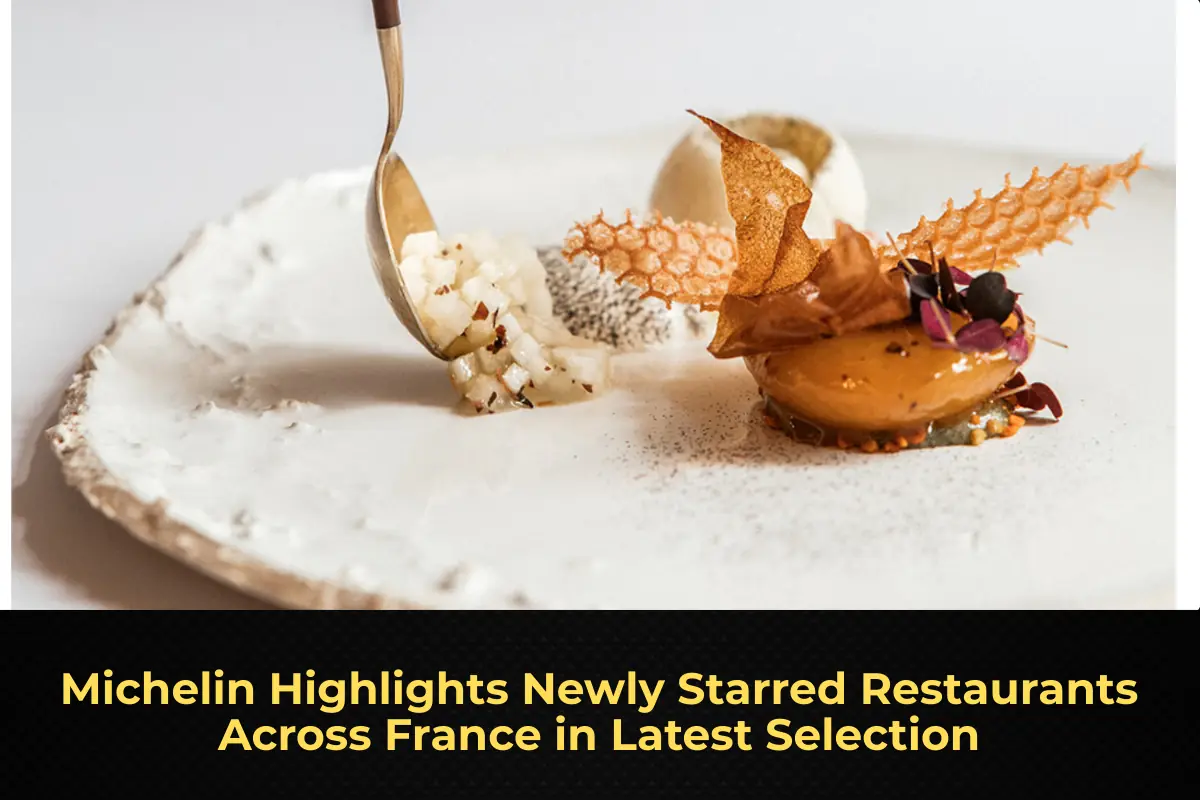
Michelin Unveils New Starred Restaurants in France
The Michelin Guide has announced its latest list of newly starred restaurants across France, recognizing emerging chefs and established culinary destinations that have demonstrated excellence in quality, creativity, and consistency. The announcement, made as part of Michelin’s annual evaluation process, reinforces France’s position as a global leader in fine dining and gastronomy.
The newly awarded restaurants span multiple regions across the country, reflecting a diverse culinary landscape that blends traditional French techniques with modern innovation. The recognition highlights the continued evolution of France’s restaurant industry, where chefs are redefining fine dining while maintaining deep connections to local ingredients and heritage.
A Benchmark of Culinary Excellence
The Michelin Guide remains one of the most influential authorities in the global restaurant industry, with its star ratings widely regarded as a benchmark of culinary excellence. Restaurants are evaluated based on criteria including ingredient quality, mastery of cooking techniques, harmony of flavors, personality of the chef, and consistency over time.
The awarding of a Michelin star can significantly impact a restaurant’s reputation, often leading to increased demand, international recognition, and higher reservation volumes. For chefs and restaurateurs, earning a star represents both a professional milestone and a validation of their culinary vision.
Emerging Talent Gains Recognition
The latest selection places a strong emphasis on emerging culinary talent, with several first-time recipients earning Michelin stars. These chefs are introducing innovative approaches to classic French cuisine, experimenting with new techniques while maintaining a focus on quality and precision.
Many of the newly recognized restaurants are smaller, independently operated establishments that prioritize intimate dining experiences and personalized service. This trend reflects a broader shift within the fine dining sector toward more focused and experience-driven concepts.
The recognition of new talent also underscores the dynamic nature of France’s culinary scene, where innovation continues to drive the evolution of traditional gastronomy.
Regional Diversity in French Cuisine
The Michelin selection highlights the geographical diversity of France’s restaurant industry, with starred establishments located in both major cities and smaller regions. While Paris continues to be a central hub for fine dining, regional destinations are gaining increasing recognition for their unique culinary identities.
Restaurants in coastal areas, rural regions, and smaller towns are being acknowledged for their use of locally sourced ingredients and region-specific cooking styles. This approach not only enhances the authenticity of the dining experience but also supports local producers and sustainable practices.
The emphasis on regional diversity aligns with growing consumer interest in locally driven cuisine and farm-to-table dining concepts.
Innovation Meets Tradition
A defining characteristic of the latest Michelin selections is the balance between innovation and tradition. Chefs are reinterpreting classic French dishes with contemporary techniques, creating menus that appeal to modern diners while preserving the essence of French culinary heritage.
Many restaurants are incorporating global influences into their menus, reflecting the increasingly interconnected nature of the culinary world. At the same time, there is a strong focus on seasonality, sustainability, and the use of high-quality ingredients.
This combination of innovation and tradition is helping French cuisine maintain its relevance in an increasingly competitive global dining landscape.
Impact on the Hospitality Industry
The recognition of new Michelin-starred restaurants has broader implications for the hospitality industry in France. Starred establishments often attract both domestic and international tourists, contributing to local economies and boosting the country’s culinary tourism sector.
Hotels, travel operators, and related businesses benefit from increased interest in destinations known for their dining experiences. As a result, Michelin stars play a role not only in shaping restaurant reputations but also in influencing travel and tourism trends.
The announcement of new stars is closely followed by industry professionals, food critics, and diners alike, as it provides insights into emerging trends and standout culinary destinations.
Challenges Behind the Recognition
While earning a Michelin star is a significant achievement, maintaining the distinction presents ongoing challenges for restaurants. High expectations from diners and inspectors require consistent quality, attention to detail, and continuous innovation.
Restaurants must also navigate operational challenges such as rising costs, staffing pressures, and evolving consumer preferences. Despite these factors, many chefs view Michelin recognition as a driving force that motivates them to maintain high standards and push the boundaries of their craft.
The pressure associated with Michelin stars has led some chefs to explore alternative approaches to fine dining, focusing on sustainability and work-life balance while still delivering exceptional culinary experiences.
Fine Dining Trends Reflected in the Selection
The latest Michelin Guide selection reflects several key trends shaping the global fine dining industry. These include a shift toward more intimate dining spaces, an emphasis on storytelling through food, and increased attention to sustainability.
Chefs are also experimenting with tasting menus that offer curated culinary journeys, allowing diners to experience a range of flavors and techniques in a single meal. These formats provide opportunities for creativity and innovation while enhancing the overall dining experience.
Additionally, there is a growing focus on transparency in sourcing and preparation, with many restaurants highlighting their relationships with local farmers and suppliers.
The Role of Sustainability
Sustainability has become an important consideration in the evaluation of modern restaurants. Many newly starred establishments are adopting environmentally conscious practices, including reducing food waste, sourcing seasonal ingredients, and minimizing their environmental footprint.
These efforts align with broader industry trends as consumers become more aware of the environmental impact of dining choices. Restaurants that integrate sustainability into their operations are increasingly being recognized for their commitment to responsible practices.
The emphasis on sustainability is expected to continue influencing future Michelin selections and the evolution of the restaurant industry as a whole.
Looking Ahead
The announcement of new Michelin-starred restaurants in France signals continued growth and innovation within the country’s culinary sector. As chefs explore new techniques and concepts, the fine dining landscape is expected to evolve further, offering diners increasingly diverse and sophisticated experiences.
France’s ability to balance tradition with modernity remains a key factor in its enduring reputation as a global culinary leader. The latest Michelin selections demonstrate that the country’s restaurant industry is not only preserving its heritage but also adapting to contemporary trends and expectations.
As the Michelin Guide continues to evaluate and recognize excellence, the newly starred restaurants are poised to play a significant role in shaping the future of fine dining in France.
The latest recognition reinforces France’s standing at the forefront of global gastronomy, as newly awarded restaurants prepare to meet the expectations that come with Michelin acclaim.