Micro Dining Restaurants Unveil India's Newest Trend
Micro Dining Restaurants across Indian cities offer 4 to 16 seat experiences with surprise menus and live cooking, charging premium prices for intimacy.
 RUKAIYA KADIWAL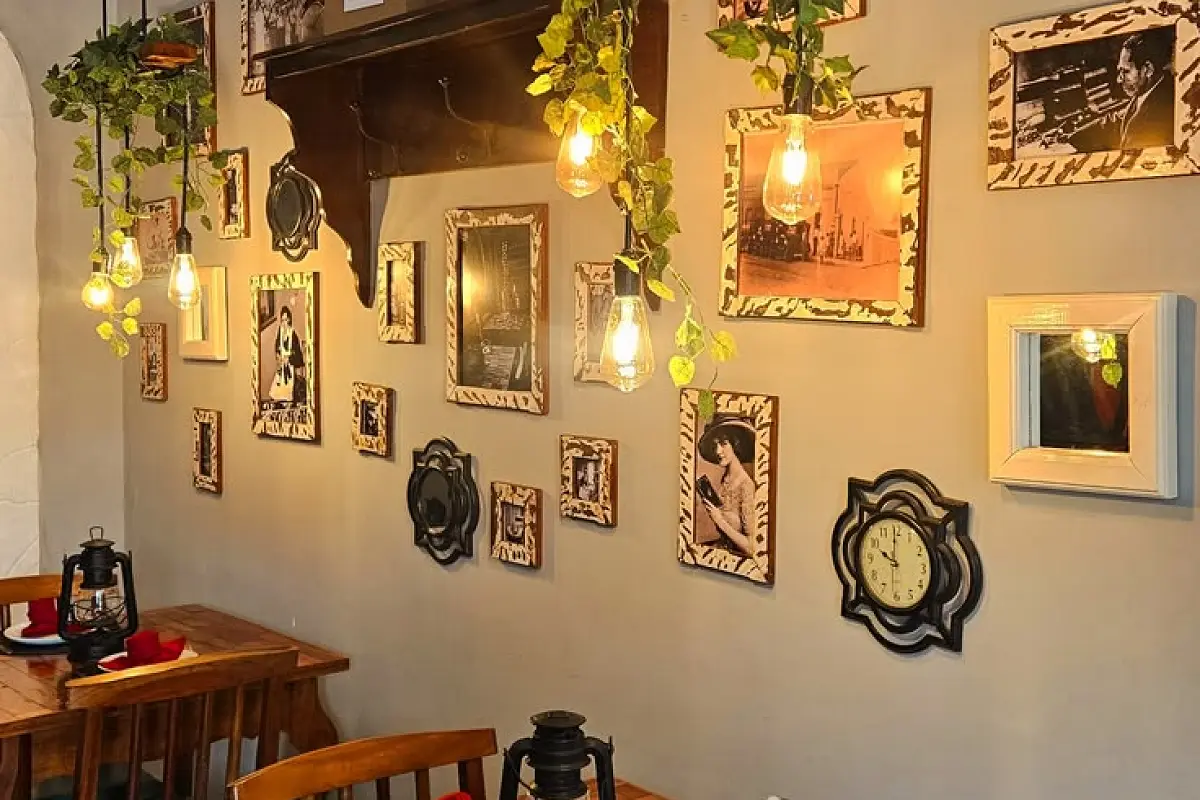
A single lantern glows beside a plate wrapped in a folded red napkin, its warm light catching the edges of vintage photographs pinned across a softly lit wall nearby. The table seats just two, tucked against a corner where trailing greenery brushes the ceiling and an old clock ticks quietly above a wooden shelf. This is the kind of intimate scene now defining Micro Dining Restaurants across major Indian cities, spaces where fewer seats have become the entire point rather than a limitation to overcome.
Having more seats is no longer the only way for restaurants to increase their earnings. Small format micro dining spaces with limited seating are becoming genuinely popular across India's major cities, focusing on personalised dining experiences while charging considerably more than regular restaurants typically ask. Some of these spaces are booked months in advance, while seats can sell out within minutes once bookings open.
Eighteen Seats, Fifteen Thousand Rupees a Head
Naar, which focuses on Himalayan cuisine, operates with just 18 seats, yet the average spend per cover, including drinks, runs around 15,000 rupees. The brand, which started in 2022, claims to have reached a valuation of around 40 to 45 crore rupees, a figure that speaks directly to how commercially viable this intimate format has become.
That kind of valuation for a restaurant operating with so few tables challenges longstanding assumptions about scale being the primary driver of restaurant profitability, suggesting that depth of experience per guest can rival, and sometimes exceed, the returns generated by high volume dining.
Fewer Seats, Considerably Higher Spending
Delhi's Cavity has only nine seats and offers a nine course dining experience starting at 5,500 rupees, positioning itself firmly within the premium bracket despite its modest physical footprint. In Bengaluru, Naru now serves around 110 customers a day, a figure that demonstrates how a genuinely small format restaurant can still achieve meaningful daily volume through careful scheduling and multiple seatings.
That limited seating deliberately allows these restaurants to focus on personalised service rather than serving a large number of customers simultaneously, a tradeoff that clearly resonates with diners willing to pay considerably more for that heightened level of attention.
Buying an Experience, Not Simply a Meal
The appeal of micro dining extends well beyond the menu itself. Customers can interact directly with chefs, watch food being prepared from their own seats, and learn the story behind each course as it arrives, transforming a meal into something closer to live theatre than standard restaurant service.
Surprise menus and the exclusivity surrounding these spaces have also helped them gain considerable attention on social media, feeding into their broader appeal. Experts believe that after the pandemic, customers have increasingly started valuing personal and meaningful experiences over simply showing off, a shift that has directly benefited concepts built around genuine intimacy rather than spectacle.
Small Spaces Building Genuinely Premium Brands
Mumbai's Papa's has just 12 seats, yet the average spending per person runs around 12,000 rupees. While the concept contributes only around 3 to 4 percent to the restaurant group's overall earnings, it plays an outsized role in strengthening the restaurant's premium identity across the wider market. Full coverage of India's evolving restaurant trends is available on the official Bhaskar English website.
That kind of brand halo effect, where a small, exclusive concept elevates the reputation of a much larger operation, reflects a sophisticated understanding of how prestige and profitability can operate along entirely different metrics within the same restaurant group.
What This Trend Reveals About Indian Dining
The growing popularity of micro dining demonstrates clearly that customers are willing to pay significantly more when food is combined with exclusivity, storytelling and a genuinely personalised experience. That willingness signals a maturing dining culture, one where diners increasingly distinguish between eating simply to be fed and eating as a deliberate, memorable occasion worth planning around.
This shift toward valuing intimacy and genuine connection over scale and convenience echoes similarly across the broader hospitality industry globally, where operators of every size continue rethinking what genuinely earns customer loyalty and trust, a theme also visible in how independent restaurants elsewhere build lasting reputations through consistency rather than scale alone, as seen in recent coverage of Charm Thai Cafe's top food hygiene rating in Doncaster, where a small independent restaurant similarly built trust through sustained daily discipline rather than sheer size.
A Table for Two, and Everything It Represents
Back at that small corner table, lantern light still flickering softly against the wall of vintage photographs, a single evening unfolds slowly, course by course, story by story, exactly as its host intended. Whether India's micro dining boom continues expanding or eventually settles into a smaller, more established niche, the underlying lesson already feels clear, that in a country as vast and varied as India, some of the most valuable dining experiences are, quite deliberately, being built for only a handful of people at a time.