Montreal List Ranks Top Restaurant Washrooms Led by Île-de-France
A new Montreal ranking highlights the top restaurant washrooms, with Île-de-France, Rotisserie La Lune, and Marcus Restaurant & Lounge leading for design and experience.
 Prajakta Sanjay Warwadkar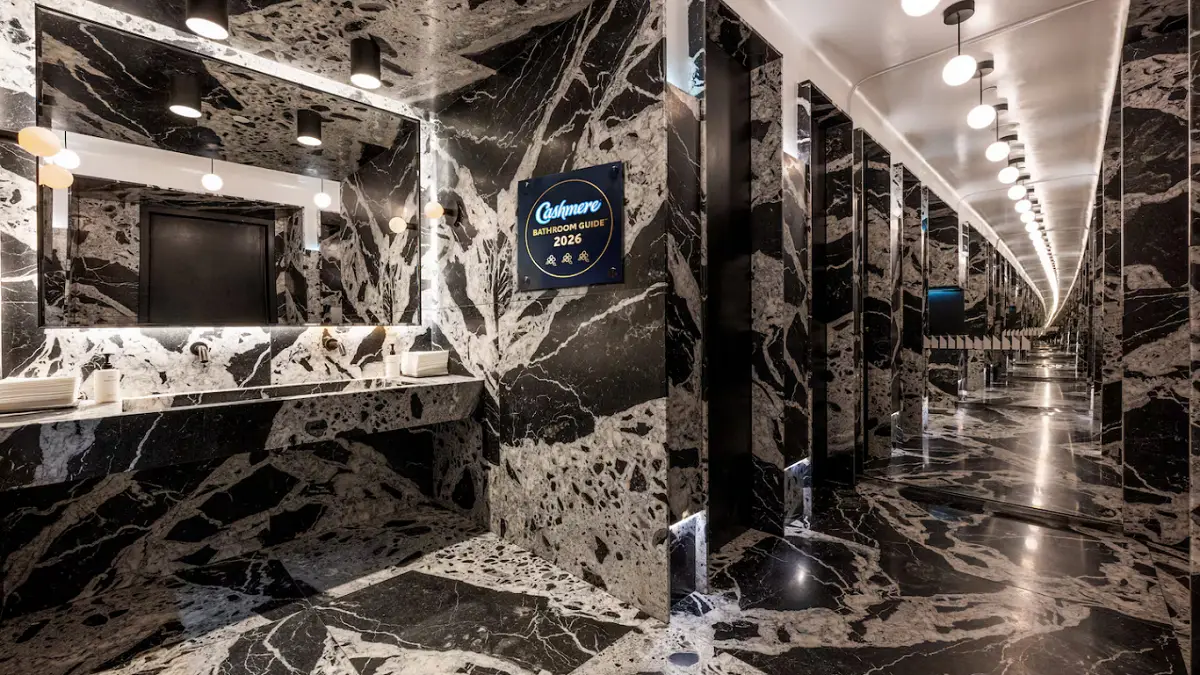
A new ranking in Montreal has identified the city’s top restaurant washrooms, with Restaurant Île-de-France, Rotisserie La Lune, and Marcus Restaurant & Lounge named among the most notable venues for bathroom design and guest experience. The list, curated by Cashmere in collaboration with Tastet.ca, evaluates washrooms as an integral component of the overall dining environment.
The initiative reflects a growing emphasis within the hospitality sector on extending brand experience beyond food and service into all areas of the venue. The evaluation was conducted by Elise Tessier and the Tastet.ca team, who have assessed Montreal’s restaurant landscape for over a decade.
Top-Ranked Restaurant Washrooms in Montreal
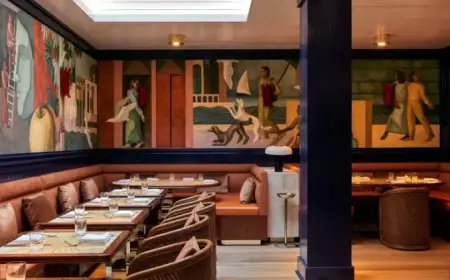
The ranking highlights three establishments that stood out for their approach to design, layout, and overall ambiance. Restaurant Île-de-France, located on the ninth floor of the Eaton Centre, secured recognition for its restored art deco interiors and panoramic views. According to operations director Marco Gucciardi, the recognition reflects the effort placed into maintaining historical design elements while enhancing guest experience.
Rotisserie La Lune was also featured, with its washroom design incorporating warm wood tones and a cohesive aesthetic that aligns with the restaurant’s overall interior. The space emphasizes comfort and timeless design, contributing to a consistent brand identity across all guest touchpoints.
Marcus Restaurant & Lounge was included in the list as well, further underscoring the role of high-end design in shaping customer perceptions within premium dining environments.
Evaluation Criteria and Methodology
The assessment process was based on a structured evaluation framework developed by Tastet.ca. Washrooms were scored across seven criteria, including originality, layout, lighting, cleanliness, and overall aesthetic appeal. Particular attention was given to lighting, which has increasingly become a focal point due to its influence on guest behavior, including social media engagement.
Elise Tessier noted that washrooms have long been part of the platform’s evaluation standards, reflecting their importance within the broader dining experience. Each venue was reviewed individually, with consistent metrics applied to ensure comparability across locations.
The inclusion of washroom design within formal restaurant rankings indicates a shift toward more comprehensive evaluation models in the hospitality sector, where non-core elements are gaining recognition for their impact on customer satisfaction.
Design as a Component of Brand Experience
Industry operators increasingly view washrooms as an extension of the restaurant’s brand rather than a purely functional space. According to Gucciardi, the washroom represents a unique moment in the customer journey, offering a private interaction with the brand environment.
This perspective aligns with broader trends in hospitality design, where operators invest in cohesive aesthetics across all areas of a venue. From materials and lighting to layout and décor, these elements contribute to the perception of quality and attention to detail.
At Rotisserie La Lune, the emphasis on warm, cohesive materials demonstrates how design consistency can reinforce brand identity. The approach ensures that even secondary spaces align with the overall theme of the restaurant.
Role of Social Media and Guest Behavior
The growing importance of washroom design is also linked to changes in customer behavior, particularly the influence of social media. Visually appealing spaces, including bathrooms, are increasingly used by guests for photography, contributing to organic promotion and brand visibility.
Flattering lighting and distinctive design features can encourage guests to engage with the space beyond its functional purpose. This trend has led operators to consider washrooms as potential touchpoints for marketing and customer engagement.
The evaluation highlights how design elements traditionally considered secondary are now contributing to a venue’s overall appeal and differentiation in a competitive market.
Implications for the Hospitality Sector
The Montreal ranking underscores a broader shift within the restaurant industry toward holistic guest experience management. As competition intensifies, operators are expanding their focus beyond menu offerings to include ambiance, service, and design across all areas of the establishment.
Recognition for washroom design also signals evolving consumer expectations, where attention to detail is increasingly associated with quality and professionalism. For operators, this may translate into additional investment in interior design and maintenance as part of a comprehensive strategy to enhance customer satisfaction.
The inclusion of washrooms in formal rankings reflects the growing importance of experiential factors in dining. As restaurants continue to differentiate themselves in a crowded market, such elements are likely to play a more significant role in shaping customer perceptions and driving repeat visits.