Mumbai Sees Wave of New Restaurant Openings Across Formats and Cuisines
Mumbai’s dining sector expands with new restaurant openings featuring global cuisines, hybrid formats, and experiential concepts across key locations in the city.
 Prajakta Sanjay Warwadkar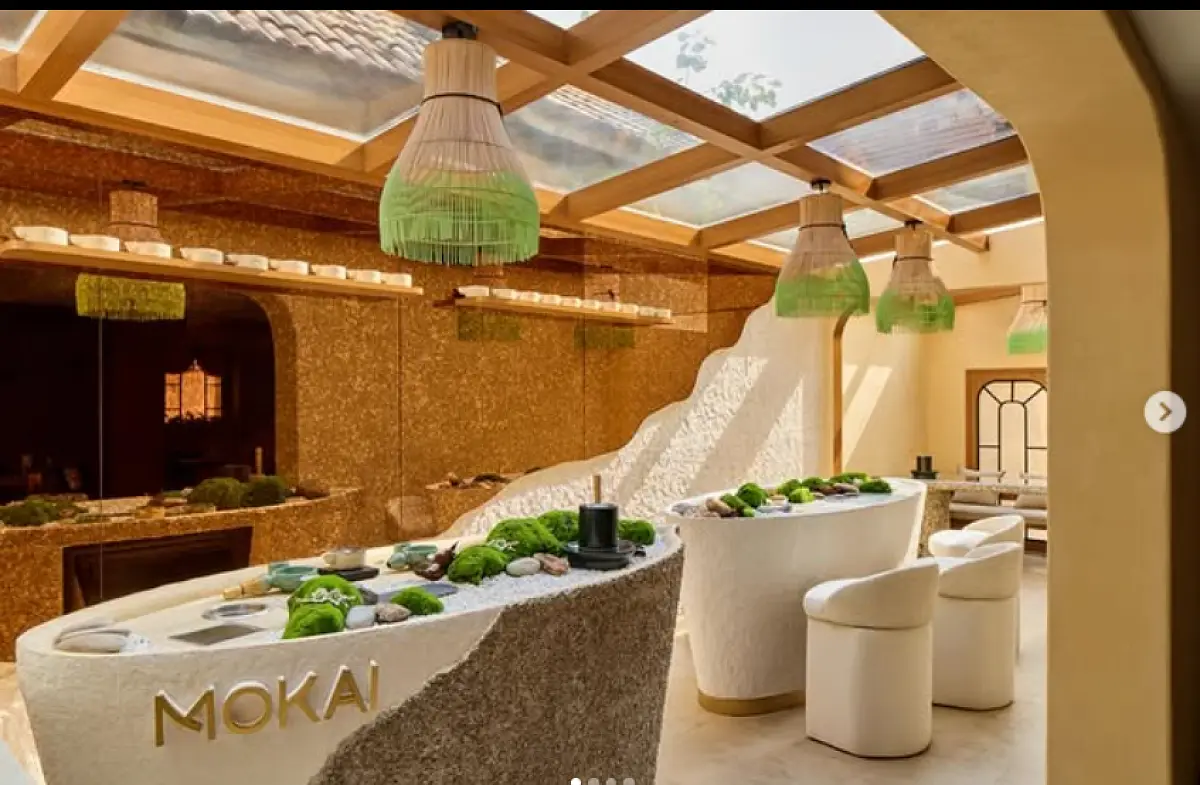
Mumbai’s food service sector is witnessing a new phase of expansion in 2026, with multiple restaurant openings across the city introducing global cuisines, hybrid dining formats, and experience-driven concepts. The new entrants span cafés, quick-service formats, rooftop bars, and premium dining spaces, reflecting evolving consumer demand for variety and immersive hospitality.
New Openings Reflect Shift Toward Experience-Led Dining
The latest wave of restaurant launches highlights a growing industry shift from traditional dining formats to multi-functional and experiential spaces. Several new venues are integrating food, beverage, design, and interactive elements to enhance customer engagement and increase dwell time.
MOKAI has expanded its presence with a second café concept focused on coffee, matcha, and immersive storytelling. The outlet introduces multiple themed zones, including a Korean-style pour-over bar operated digitally and what is described as India’s first floating matcha bar. The format combines beverage-led offerings with spatial design elements, positioning the café as a multi-sensory environment.
Similarly, The Find Atelier in Bandra operates as a 25-seater supper club within a restored 140-year-old building. Open only on weekends, the concept emphasizes curated dining experiences, rotating menus, and collaborations, reflecting a niche but growing segment focused on intimate and design-led hospitality.
Global Cuisine Continues to Drive Menu Innovation
International culinary influences remain central to Mumbai’s evolving dining landscape. Thai Naam, which has relocated from Andheri to Bandra, continues to focus on authentic Thai cuisine while introducing Pan-Asian elements such as dumplings and Chengdu-style dishes. The 100-seat restaurant retains its emphasis on traditional flavours while expanding menu diversity.
Seoul Dak has opened a new quick-service outlet in Oshiwara, strengthening the presence of Korean cuisine in the city. The brand’s offering centres on Korean fried chicken, prepared through overnight marination and double frying, alongside street-food staples such as tteokbokki and ramen. The company has outlined expansion plans targeting 10 outlets by early 2026 and 50 units over the next three years.
Downtown29 has launched a new outlet in Bandra Kurla Complex (BKC), offering a globally inspired menu with Indian adaptations. The menu includes shareable dishes and comfort formats, supported by an ingredient-driven cocktail programme, aligning with the growing demand for fusion cuisine and social dining formats.
Hybrid Formats and All-Day Concepts Gain Traction
Operators are increasingly adopting hybrid models that combine multiple dining occasions within a single space. Portal, located in Kala Ghoda, operates as an all-day bistro and bar within a 1,450 sq ft, 50-seat layout. The concept transitions from breakfast and casual dining to evening bar service, supported by a culture-blending menu and curated beverage programme.
THERAPY is expanding with a fourth outlet in Dadar at Kohinoor Square, building on its presence in Khar, Versova, and Borivali. The concept functions as a café during the day and transitions into a bar and entertainment venue at night, incorporating features such as arcade games, karaoke, and live screenings. This dual-use format reflects a broader industry trend toward maximizing space utilization and customer engagement across dayparts.
Concept Differentiation Through Design and Storytelling
New restaurant concepts are increasingly using design, storytelling, and thematic elements to differentiate themselves in a competitive market. Alta Stella, a 12,000 sq ft rooftop restro-bar in Andheri West, incorporates celestial design motifs and a zodiac-inspired cocktail programme. The space transitions from daytime dining to evening nightlife, emphasizing atmosphere as a key driver of customer experience.
Pot Pot, located at Phoenix Palladium, presents a contemporary Indian dining concept built around pot-based cooking traditions. The restaurant integrates sustainability practices by using reusable terracotta and glass serving ware, while structuring its menu into categories such as starter pots, main pots, and dessert pots. The concept combines traditional culinary techniques with modern presentation and environmental considerations.
Market Context and Industry Trends
The latest openings underscore Mumbai’s position as one of India’s most dynamic hospitality markets, where operators are experimenting with formats, cuisines, and service models. The integration of global influences, experiential design, and hybrid operational strategies reflects changing consumer expectations, particularly among urban diners seeking variety and engagement.
Many of the new concepts also emphasize scalability and brand expansion, with chains like Seoul Dak outlining aggressive growth plans, while established operators such as THERAPY continue to expand within the city.
The combination of premium dining spaces, quick-service formats, and niche experiential concepts indicates a diversified growth pattern within the sector. As competition intensifies, differentiation through menu innovation, design, and operational flexibility is becoming a key factor in sustaining performance.
The current wave of openings highlights a broader shift in the restaurant industry toward integrated experiences that extend beyond food, positioning dining spaces as social, cultural, and lifestyle destinations within Mumbai’s urban ecosystem.