New Cafes and Restaurants Set to Open Across Singapore in April 2026
Singapore’s dining scene expands in April 2026 with a wave of new cafes and restaurants offering diverse culinary concepts and experiences.
 Prajakta Sanjay Warwadkar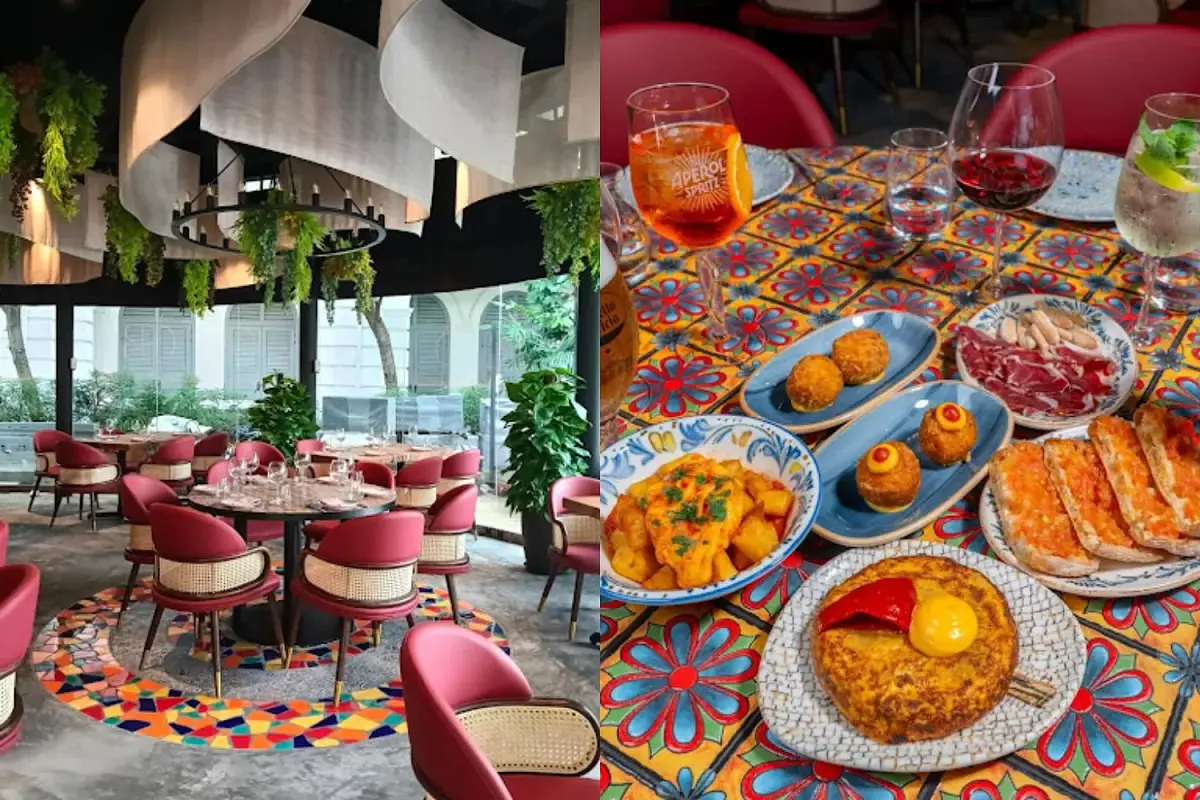
New Cafes and Restaurants Set to Open Across Singapore in April 2026
Singapore’s dynamic food and beverage industry is set to welcome a fresh wave of cafes and restaurants in April 2026, as new dining concepts prepare to launch across the city-state, offering diverse cuisines, innovative menus, and immersive dining experiences. The upcoming openings highlight the continued growth and resilience of Singapore’s hospitality sector, driven by strong consumer demand and evolving dining trends.
The latest additions to the market include a mix of independent cafes, international brands, and concept-driven restaurants, each aiming to capture attention in one of Asia’s most competitive dining landscapes. These openings reflect a broader industry trend toward experiential dining, where ambiance, storytelling, and culinary creativity play a central role.
Diverse Culinary Concepts Enter the Market
The new establishments set to open in April showcase a wide range of culinary offerings, from specialty coffee cafes and artisanal bakeries to full-service restaurants featuring global cuisines. Operators are focusing on differentiation through unique menus, signature dishes, and innovative presentation styles.
Many of the new venues emphasize fusion concepts, blending traditional flavors with modern techniques to appeal to Singapore’s diverse and cosmopolitan population. This approach aligns with changing consumer preferences, where diners are increasingly seeking novelty and variety in their dining experiences.
The diversity of concepts also reflects the city’s role as a culinary hub, attracting both local entrepreneurs and international restaurateurs.
Focus on Experiential Dining
Experiential dining continues to be a key trend shaping new restaurant openings in Singapore. Many of the upcoming venues are designed to offer more than just food, incorporating elements such as themed interiors, interactive service, and curated dining journeys.
Restaurants are investing in design and ambiance to create memorable experiences that encourage social sharing and repeat visits. From visually striking interiors to open kitchens and chef-led concepts, these elements are becoming essential in attracting modern diners.
The emphasis on experience reflects a shift in consumer behavior, where dining is increasingly viewed as a lifestyle activity rather than a routine necessity.
Growth of Cafe Culture
Singapore’s cafe culture continues to expand, with new coffee-focused establishments set to open in April. These cafes are placing a strong emphasis on quality beans, specialty brewing methods, and curated menus that include both beverages and food offerings.
The rise of cafe culture is driven in part by younger consumers who seek casual yet high-quality dining environments. Many of the new cafes are designed to serve as social spaces, combining comfort with aesthetic appeal.
This trend has contributed to the steady growth of the segment, making cafes an integral part of Singapore’s food scene.
Integration of Technology and Innovation
Technology is playing an increasingly important role in the new restaurant openings, with many operators integrating digital solutions to enhance efficiency and customer experience. Online reservations, digital menus, and contactless payment systems are becoming standard features.
Some establishments are also experimenting with advanced technologies such as automated ordering systems and data-driven personalization. These innovations aim to streamline operations while providing a more convenient and tailored experience for customers.
The adoption of technology reflects the industry’s efforts to adapt to changing expectations and improve operational performance.
Competitive Market Environment
Singapore’s restaurant industry is known for its high level of competition, with new entrants facing the challenge of standing out in a crowded market. Success often depends on a combination of strong branding, consistent quality, and effective marketing strategies.
The upcoming openings are entering a market where customer expectations are high, requiring operators to deliver exceptional value and service. Many businesses are focusing on niche concepts and targeted offerings to differentiate themselves.
The competitive environment also drives innovation, encouraging restaurants to continuously evolve and refine their concepts.
Economic and Industry Impact
The influx of new cafes and restaurants is expected to contribute positively to Singapore’s hospitality sector, which plays a significant role in the country’s economy. The openings are likely to create employment opportunities and support related industries such as food supply and logistics.
The growth of the dining sector is also closely linked to tourism, as Singapore continues to attract visitors seeking diverse culinary experiences. New restaurant concepts can enhance the city’s appeal as a global food destination.
The industry’s expansion reflects confidence in market demand and long-term growth prospects.
Adapting to Consumer Preferences
Consumer preferences in Singapore are evolving, with increased demand for healthier options, sustainable practices, and unique dining experiences. Many of the new establishments are incorporating these elements into their concepts, offering plant-based dishes, locally sourced ingredients, and environmentally conscious operations.
Personalization and customization are also gaining importance, with restaurants allowing customers to tailor their meals according to preferences. This focus on flexibility and inclusivity is becoming a key factor in attracting a broader customer base.
Understanding and responding to these trends is essential for long-term success in the industry.
Future Outlook
The April 2026 wave of openings is expected to set the tone for continued growth in Singapore’s restaurant sector throughout the year. As new concepts gain traction, the market is likely to see further innovation and expansion.
Industry experts anticipate that operators will continue to explore new formats, partnerships, and technologies to remain competitive. The ability to adapt to changing trends and maintain high standards will be critical in sustaining momentum.
Singapore’s position as a leading culinary destination is expected to strengthen as the industry evolves.
Conclusion
The launch of new cafes and restaurants across Singapore in April 2026 underscores the vibrancy and resilience of the city’s dining scene, with continued innovation and strong consumer demand driving the sector forward.