New Restaurant ‘Brick’ Debuts in Salt Lake City, Expanding Local Dining Scene
A new restaurant named Brick has opened in Salt Lake City, offering a fresh dining concept and contributing to the city's growing culinary landscape.
 Prajakta Sanjay Warwadkar
New Restaurant ‘Brick’ Debuts in Salt Lake City, Expanding Local Dining Scene
A new restaurant named Brick has opened in Salt Lake City in March 2026, introducing a fresh dining concept to the city’s evolving culinary landscape. The establishment aims to attract a diverse customer base by combining a modern menu with a distinctive ambiance, reflecting broader trends in experiential dining and neighborhood-focused hospitality.
The opening comes at a time when Salt Lake City’s food scene is experiencing steady growth, with new concepts emerging to cater to changing consumer preferences. Brick positions itself within this dynamic environment by offering a menu and atmosphere designed to appeal to both local residents and visitors.
A New Addition to a Growing Culinary Hub
Salt Lake City has increasingly become a hub for innovative dining concepts, with restaurateurs exploring new formats and cuisines to meet rising demand. Brick’s launch adds to this momentum, contributing to the diversification of the city’s restaurant offerings.
The restaurant’s concept focuses on creating a welcoming space that balances contemporary design with a comfortable, approachable atmosphere. This approach aligns with current industry trends, where operators are prioritizing environments that encourage repeat visits and community engagement.
By positioning itself as both a neighborhood destination and a modern dining venue, Brick aims to establish a strong presence in the local market.
Menu and Concept Overview
Brick’s menu is designed to offer a mix of familiar and innovative dishes, catering to a broad audience while maintaining a distinct culinary identity. The offerings emphasize quality ingredients and thoughtful preparation, reflecting a commitment to delivering a consistent dining experience.
The concept blends elements of casual dining with a refined approach to presentation and flavor, allowing the restaurant to appeal to a wide range of customers. This flexibility is increasingly important in competitive markets, where diners seek both comfort and novelty in their dining choices.
The restaurant’s culinary direction also reflects a growing emphasis on adaptability, with menus that can evolve based on seasonal ingredients and customer feedback.
Design and Atmosphere
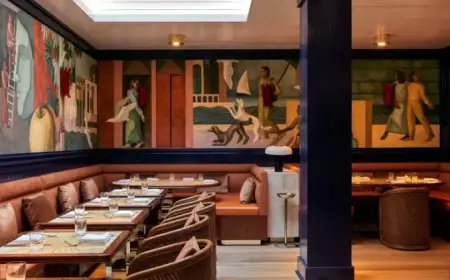
The interior design of Brick plays a central role in shaping the overall dining experience. The space incorporates modern design elements alongside warm, inviting touches that create a balanced and engaging environment.
Attention to detail in lighting, layout, and materials contributes to an atmosphere that is both stylish and accessible. This focus on ambiance aligns with broader industry trends, where the physical environment is considered a key component of the customer experience.
The design also supports the restaurant’s operational goals, facilitating efficient service while maintaining a comfortable setting for guests.
Community Engagement and Local Appeal
Brick’s opening reflects a broader emphasis on community-oriented dining, where restaurants serve as social hubs as well as places to eat. By creating a space that encourages interaction and connection, the restaurant aims to build a loyal customer base.
Local engagement is expected to play a significant role in the restaurant’s strategy, with efforts to connect with residents and participate in the city’s culinary culture. This approach is increasingly common among new establishments seeking to establish themselves in competitive urban markets.
The focus on community also supports long-term sustainability, as repeat customers and word-of-mouth promotion contribute to steady business performance.
Competitive Landscape and Market Positioning
The Salt Lake City dining scene is characterized by a mix of established restaurants and new entrants, creating a competitive environment that requires clear differentiation. Brick’s concept and positioning are designed to stand out by offering a combination of quality, atmosphere, and accessibility.
Operators in the market are increasingly focusing on creating unique value propositions that go beyond food, incorporating elements such as design, service, and overall experience. Brick’s approach reflects this shift, emphasizing a holistic dining experience.
The restaurant’s ability to adapt to customer preferences and maintain consistency will be key factors in its success.
Industry Trends Supporting New Openings
The launch of Brick aligns with broader trends in the restaurant industry, including the rise of experiential dining and the importance of local identity. Consumers are increasingly seeking out establishments that offer more than just meals, looking for environments that provide memorable and engaging experiences.
New restaurant openings are also being driven by a recovery in consumer confidence and a renewed interest in dining out. Operators are responding by introducing concepts that combine innovation with familiarity, catering to diverse audiences.
Brick’s concept reflects these trends, positioning the restaurant to capitalize on evolving market dynamics.
Operational Considerations
As with any new restaurant, operational efficiency and consistency will be critical to Brick’s success. From kitchen operations to front-of-house service, the ability to deliver a seamless experience will influence customer satisfaction and retention.
Staff training, supply chain management, and quality control are key areas of focus for the restaurant as it establishes its operations. Maintaining high standards across these areas will be essential in building a strong reputation.
The restaurant’s management is expected to monitor performance closely, making adjustments as needed to optimize operations and meet customer expectations.
Future Outlook
The opening of Brick represents an opportunity to further enhance Salt Lake City’s reputation as a destination for diverse and innovative dining experiences. If successful, the restaurant could serve as a model for similar concepts in the region.
Continued growth in the city’s hospitality sector is likely to create additional opportunities for new entrants, while also increasing competition. Restaurants that can effectively balance quality, experience, and value will be best positioned to succeed.
Brick’s ability to adapt and evolve will play a significant role in its long-term prospects within this dynamic market.
Conclusion
Brick has officially opened in Salt Lake City, adding a new dining option to the city’s expanding restaurant scene as it begins operations and seeks to establish its presence in a competitive market.