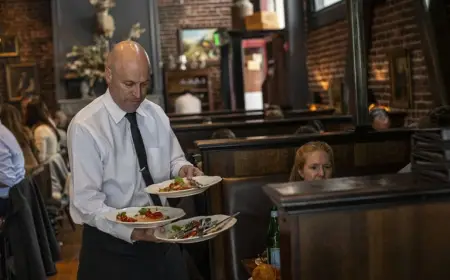
New Restaurant Openings Across Boston Highlight Continued Growth in Local Dining Scene
A wave of new restaurant openings across Boston in March 2026 reflects continued growth and diversification in the city’s dynamic dining scene.
 Prajakta Sanjay Warwadkar
New Restaurant Openings Across Boston Highlight Continued Growth in Local Dining Scene
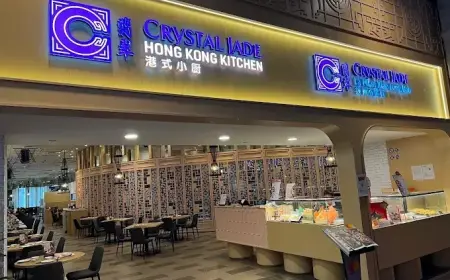
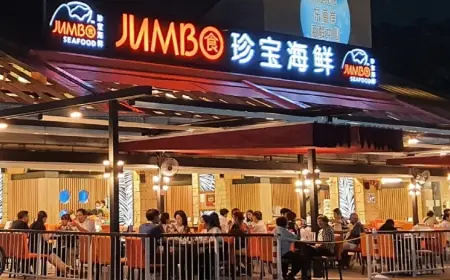
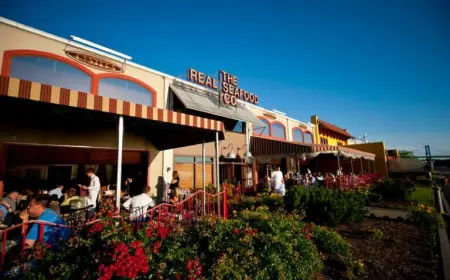
A series of new restaurant openings across Boston in March 2026 is underscoring the continued expansion of the city’s dining sector, as operators introduce diverse concepts to meet evolving consumer demand. The latest wave of openings spans multiple neighborhoods, offering a mix of cuisines and dining formats, reflecting both resilience and innovation within the local hospitality industry.
The openings come at a time when Boston’s restaurant sector is adapting to changing consumer preferences, with diners seeking varied culinary experiences, convenience, and high-quality offerings. Industry participants note that despite economic pressures, the market remains active, driven by strong demand and a steady influx of new concepts.
Diverse Concepts Enter the Market
The newest additions to Boston’s dining landscape include a wide range of concepts, from casual eateries to more upscale dining establishments. This diversity highlights the city’s ability to support multiple formats, catering to different customer segments and occasions.
Operators are increasingly focusing on unique positioning, offering specialized menus, themed interiors, and curated dining experiences. This approach helps differentiate new entrants in a competitive environment while appealing to a customer base that values variety and authenticity.
The introduction of international cuisines alongside modern American offerings further reflects the city’s multicultural dining preferences and growing interest in global flavors.
Neighborhood-Level Growth Drives Expansion
Restaurant openings are not limited to central locations, with several new establishments emerging in neighborhood districts across Boston. This trend indicates a shift toward localized dining hubs, where operators aim to capture community-based demand.
Neighborhood expansion allows restaurants to benefit from consistent foot traffic and build strong relationships with local customers. It also reduces reliance on tourism-driven areas, which can experience fluctuations in demand.
Industry observers note that suburban and neighborhood growth is becoming an increasingly important component of expansion strategies for both independent operators and established brands.
Consumer Demand Fuels Market Activity
Strong consumer interest continues to drive new restaurant openings in Boston. Diners are seeking experiences that go beyond traditional dining, including interactive concepts, open kitchens, and experiential spaces that blend food with social engagement.
The demand for convenience remains significant, with many new establishments incorporating takeout, delivery, and digital ordering options into their business models. This hybrid approach allows operators to cater to both dine-in and off-premise consumption.
Additionally, consumers are showing a growing preference for quality ingredients, transparency, and sustainability, influencing menu development and sourcing practices.
Competitive Landscape Intensifies
The influx of new restaurants is contributing to an increasingly competitive market in Boston, where operators must continuously innovate to attract and retain customers. Differentiation through menu offerings, pricing strategies, and customer experience has become essential.
Established restaurants are also responding by updating their menus, redesigning spaces, and enhancing service to remain competitive. This dynamic environment is driving overall improvements in quality and innovation across the sector.
While competition presents challenges, it also creates opportunities for operators who can effectively identify and target niche markets.
Operational Challenges Remain
Despite the positive momentum, restaurant operators continue to face challenges, including rising costs for ingredients, labor shortages, and supply chain disruptions. These factors can impact profitability and require careful management.
New entrants must navigate these challenges while establishing their brand and achieving financial sustainability. Efficient operations, strategic pricing, and strong management practices are critical to long-term success.
Many operators are leveraging technology to improve efficiency, including digital ordering systems, inventory management tools, and data analytics to better understand customer behavior.
Role of Innovation in Sustaining Growth
Innovation remains a key driver of growth in Boston’s restaurant industry. New openings often feature creative menu concepts, modern design elements, and integrated technology to enhance the customer experience.
Pop-up concepts, chef-driven menus, and collaborative dining experiences are gaining traction, allowing operators to experiment with new ideas and engage customers in unique ways. These innovations contribute to the city’s reputation as a vibrant culinary destination.
Restaurants that can successfully combine creativity with operational efficiency are better positioned to thrive in the current environment.
Impact on Local Economy
The continued opening of new restaurants has a positive impact on Boston’s local economy, creating jobs and supporting related industries such as food suppliers, logistics providers, and service businesses. The hospitality sector remains a significant contributor to economic activity in the region.
Increased restaurant activity also enhances the city’s appeal as a destination for residents and visitors alike, supporting tourism and community engagement. Vibrant dining districts contribute to urban development and neighborhood revitalization.
Local authorities and industry stakeholders often view restaurant growth as a key indicator of economic health and consumer confidence.
Future Outlook for Boston’s Dining Scene
The outlook for Boston’s restaurant industry remains positive, with continued openings expected in the coming months. Operators are likely to focus on scalable concepts, flexible formats, and customer-centric strategies to navigate evolving market conditions.
As consumer preferences continue to shift, restaurants will need to adapt by offering value, quality, and memorable experiences. The integration of sustainability practices and digital innovation is also expected to shape future developments.
Industry experts anticipate that Boston will remain a competitive yet attractive market for new restaurant ventures, supported by its diverse population and strong dining culture.
Conclusion
The latest wave of restaurant openings across Boston highlights the city’s dynamic and evolving dining scene, as operators continue to invest in new concepts and respond to changing consumer demands in a competitive market.