New Wave of Los Angeles Restaurants Gains Attention in 2026 Dining Scene
A new wave of restaurants in Los Angeles is capturing attention in 2026, highlighting evolving dining trends, innovative concepts, and changing consumer preferences.
 Prajakta Sanjay Warwadkar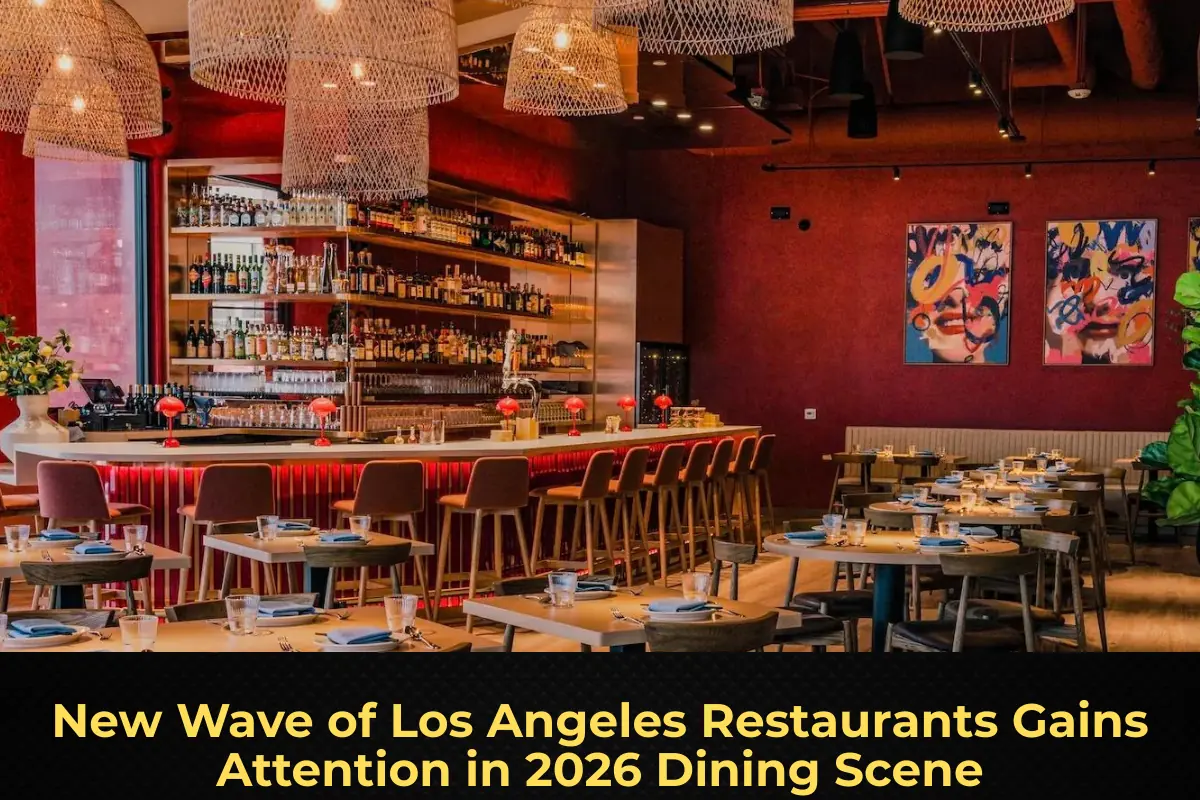
New Wave of Los Angeles Restaurants Gains Attention in 2026 Dining Scene
A new wave of restaurants across Los Angeles is drawing widespread attention in 2026, as chefs and restaurateurs introduce innovative concepts, diverse cuisines, and experience-driven dining formats, reshaping one of the United States’ most competitive food markets. The surge in new openings reflects evolving consumer preferences and a renewed momentum in the city’s hospitality sector.
From upscale dining establishments to casual neighborhood concepts, the latest additions to Los Angeles’ restaurant landscape are gaining popularity for their creativity, design, and culinary diversity. Industry observers note that the city continues to serve as a testing ground for emerging trends that often influence the broader national dining scene.
Diverse Concepts Reflect Changing Consumer Preferences
The new restaurants gaining traction in Los Angeles represent a wide range of culinary styles and dining experiences. Concepts span global cuisines, fusion offerings, and hyper-local menus that emphasize seasonal ingredients and sustainability.
Operators are increasingly focusing on creating distinctive identities, blending food with storytelling, cultural influences, and immersive experiences. This shift reflects changing consumer expectations, where diners seek more than just meals, prioritizing atmosphere, authenticity, and uniqueness.
The diversity of offerings also highlights the city’s multicultural identity, with chefs drawing inspiration from various culinary traditions to create modern interpretations.
Experience-Driven Dining Takes Center Stage
Experience-driven dining continues to play a central role in the success of new restaurants. Establishments are investing in interior design, ambiance, and interactive elements to enhance the overall guest experience.
Open kitchens, chef-led tasting menus, and curated dining journeys are becoming more common, allowing customers to engage more deeply with the culinary process. These elements contribute to a sense of exclusivity and personalization, which is increasingly valued by diners.
Restaurants are also leveraging music, lighting, and design aesthetics to create memorable environments that encourage repeat visits and social media engagement.
Focus on Sustainability and Local Sourcing
Sustainability is emerging as a key theme among new restaurant openings in Los Angeles. Many establishments are prioritizing locally sourced ingredients, reducing food waste, and incorporating environmentally conscious practices into their operations.
Farm-to-table concepts are gaining traction, with menus designed around seasonal availability and partnerships with local producers. This approach not only supports regional agriculture but also appeals to consumers who are increasingly aware of environmental and ethical considerations.
Restaurants adopting sustainable practices are also using them as part of their branding, aligning with broader societal shifts toward responsible consumption.
Casual Dining and Fast-Casual Segments Expand
While fine dining continues to attract attention, the casual and fast-casual segments are also experiencing significant growth. New concepts in these categories are focusing on quality, speed, and affordability, catering to a wide range of customers.
Operators are reimagining traditional fast-casual formats by incorporating premium ingredients, customizable options, and modern branding. This hybrid approach allows restaurants to balance efficiency with elevated dining experiences.
The expansion of these segments reflects the demand for convenient yet high-quality dining solutions in a fast-paced urban environment.
Role of Social Media in Driving Popularity
Social media platforms are playing a crucial role in amplifying the visibility of new restaurants. Visually appealing dishes, unique interiors, and influencer collaborations are helping establishments gain rapid traction among consumers.
Restaurants are strategically designing menus and spaces to be “shareable,” recognizing the impact of digital exposure on customer acquisition. Online buzz often translates into increased foot traffic, particularly during the initial launch phase.
This digital influence underscores the importance of branding and marketing in today’s hospitality landscape.
Challenges Amid Growth
Despite the surge in new openings, restaurants in Los Angeles continue to face challenges, including rising operational costs, labor shortages, and intense competition. High rents and regulatory requirements add further complexity to running a successful establishment in the city.
New entrants must navigate these challenges while establishing a strong market presence. Financial planning, operational efficiency, and adaptability are critical factors in ensuring long-term sustainability.
The competitive environment means that only concepts with clear differentiation and strong execution are likely to succeed.
Impact on the Broader U.S. Hospitality Industry
Los Angeles has long been considered a trendsetter in the U.S. dining scene, and the current wave of new restaurants is expected to influence broader industry developments. Concepts that gain popularity in the city often inspire similar approaches in other markets.
The emphasis on experience, sustainability, and innovation is likely to shape future restaurant strategies nationwide. Industry stakeholders are closely monitoring these trends to identify opportunities and adapt their own operations.
This dynamic environment reinforces Los Angeles’ position as a key hub for culinary innovation.
Future Outlook for Los Angeles Dining
The outlook for Los Angeles’ restaurant industry remains positive, driven by continued consumer interest and a steady pipeline of new concepts. As dining preferences evolve, restaurants are expected to further experiment with formats, cuisines, and technologies.
Operators who can balance creativity with operational efficiency will be better positioned to thrive in the competitive landscape. The integration of digital tools, sustainable practices, and personalized experiences will likely define the next phase of growth.
While challenges persist, the city’s ability to attract talent and investment continues to support its vibrant dining ecosystem.
Conclusion
The emergence of new restaurants across Los Angeles highlights a dynamic and evolving dining scene, as innovation, diversity, and experience-driven concepts shape the future of the hospitality industry in 2026.