Historic Restaurants Outlast Generations Across India
Oldest restaurants in India continue serving across cities from Kolkata to Mumbai. Explore nine dining rooms older than grandparents, read on.
 Ekta Mathew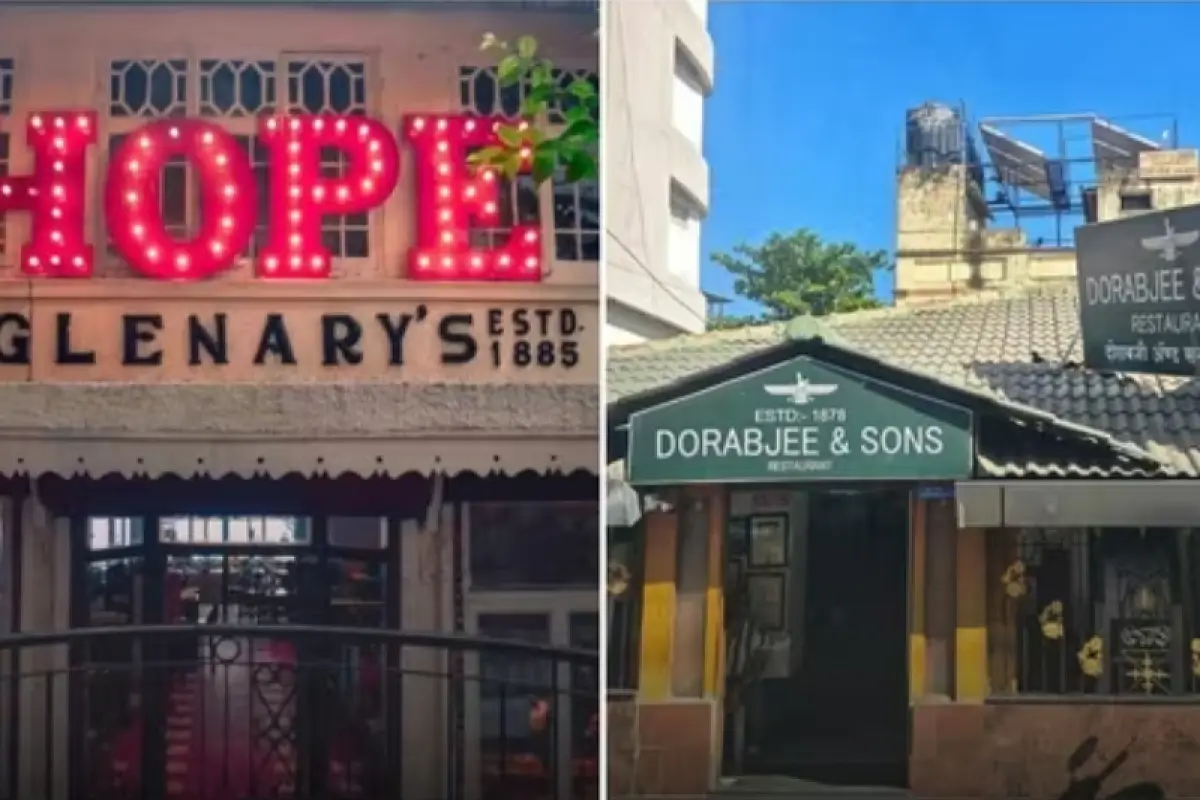
KOLKATA, June 15, 2026 — Several of the oldest restaurants in India continue daily service across major cities, operating uninterrupted for more than a century despite wars, political shifts, and changing food habits.
From colonial-era dining rooms in Kolkata to legacy cafés in Mumbai and Bengaluru, these establishments remain working businesses rather than preserved museums, making them living records of India’s food history.
Oldest restaurants in India still in operation
These nine restaurants were founded between the eighteenth and early twentieth centuries and remain open to the public today, according to company records and historical documentation.
Darjeeling
Founded in 1885, Glenary’s began as a bakery supplying British tea planters. It continues to operate on Nehru Road, serving baked goods and café meals to tourists and residents.
Kolkata
Peter Cat opened in 1911 and remains known for its Chelo Kebab. The Park Street restaurant operates under the same name and menu focus more than a century later.
Kolkata
Established in 1942 under the Coffee Board of India, the College Street outlet remains a meeting place for academics and students, serving standardized South Indian fare.
Mumbai
Opened in 1923, Britannia & Co. serves Parsi cuisine near Ballard Estate. The restaurant continues family management and follows its original recipes.Mumbai
Leopold Cafe began operations in 1871 and remains one of Mumbai’s oldest continuously operating cafés, located in Colaba.
Delhi
Founded in 1913 near Jama Masjid, Karim’s traces its culinary lineage to Mughal kitchens and continues to serve North Indian Muslim cuisine.
Delhi
Operating since 1942, United Coffee House introduced European-style dining to New Delhi and continues service at its original location.
Bengaluru
Popularly known as MTR, the restaurant opened in 1924 and remains central to Bengaluru’s South Indian breakfast culture.
Pune
Founded in 1955, Kayani Bakery is one of the younger entries on this list but still predates most modern restaurant chains operating in India.
“Longevity in food service depends on consistency and trust built over decades,” said Anjan Chatterjee, chairman and managing director of Speciality Restaurants.
Unlike heritage hotels, these restaurants function without heritage protection, relying entirely on sustained patronage to survive.
Industry analysts say the survival of the oldest restaurants in India highlights the enduring value of predictable menus and unchanged locations.
More information about Indian cuisine and its regional diversity can be explored through Indian cuisine history and traditions.
Businesses monitoring hospitality expansion trends can also explore restaurant industry growth trends for 2026 to understand how regional food concepts are shaping dining markets.