Revealed: Oscar Wilde Royal Albion Hotel Suite Rediscovered
Archaeologists uncover the Royal Albion Hotel suite where Oscar Wilde stayed in 1894, a room tied to the trial that changed his life forever.
 RUKAIYA KADIWAL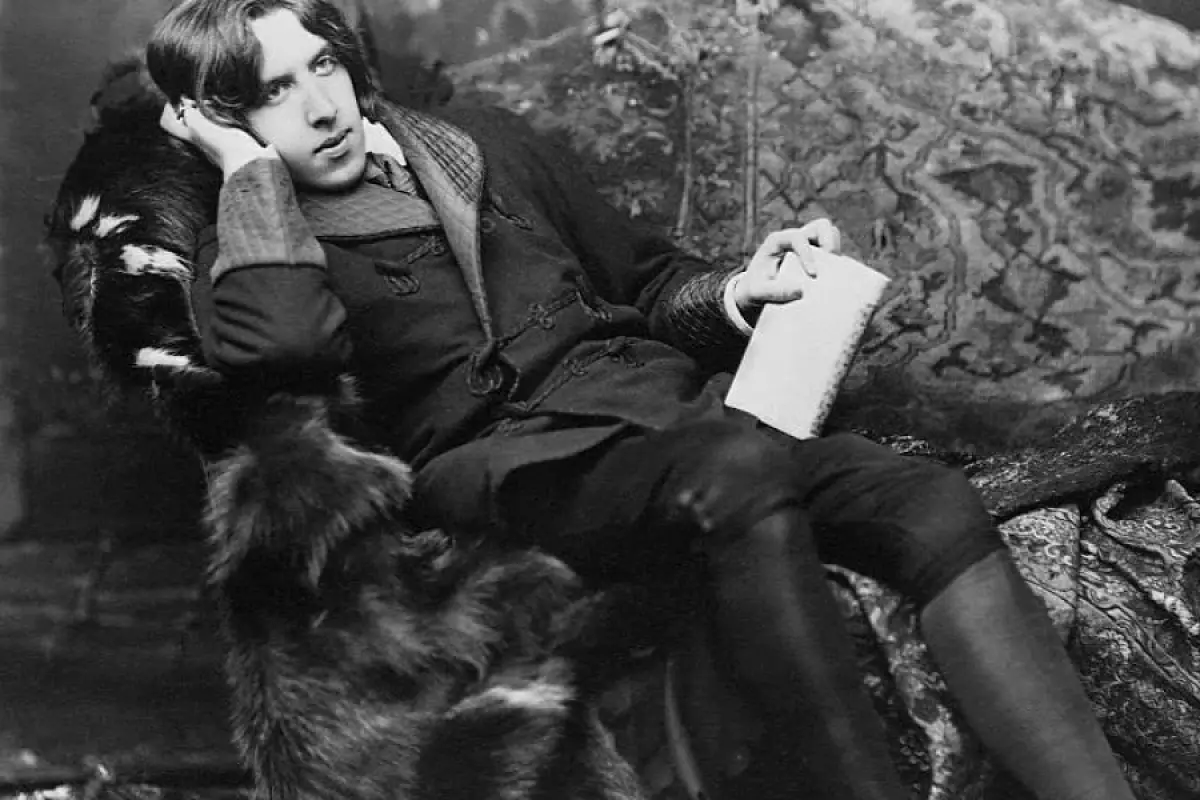
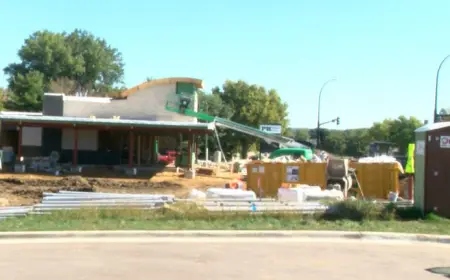
The dust had barely settled when Dr Michael Shapland first laid a hand against the old brick. Around him, the shell of the Oscar Wilde Royal Albion Hotel suite stood exposed to the Brighton sky. Scaffolding stood where a ceiling had been.
Rubble covered the floor where carpet once lay. Then his eyes caught it. A single wall, a bricked-up fireplace, older than everything surrounding it.
"One wall and one fireplace survives from that time," he later said, "from when Wilde and Conway stayed there in that suite of rooms." It was a modest find, physically speaking.
Just a few square metres of Victorian brickwork inside a hotel undergoing another rebuild. But for the archaeologist standing in the wreckage of the Royal Albion Hotel Brighton, it felt closer to a resurrection. The room had a name attached to it. That name was Oscar Wilde.
Oscar Wilde Royal Albion Hotel: A Building That Remembers Too Much
Long before it became a construction site, the Royal Albion was one of Brighton seafront's grand dames. It is a Grade II* listed building dating to 1826. Its façade faces the Channel with quiet authority.
It has hosted royalty, writers, and generations of holidaymakers. It has also, twice now, burned.
The first fire came in 1998, destroying the very rooms this story concerns. It forced a partial rebuild at the time.
The second came in 2023, a devastating Brighton hotel fire that tore through sections of the hotel. Parts of it were demolished. The eastern wing is now the subject of a fresh planning application, submitted by owner Britannia Hotels in June.
This second fire inadvertently opened a window into the first. It peeled back decades of renovation to reveal what had survived underneath, setting the stage for the Oscar Wilde suite rediscovered at the heart of this story.
Oscar Wilde Brighton Stay: The Room, the Trial, the Downfall
To understand why a single wall matters, one has to return to 1894. Wilde was already famous for The Picture of Dorian Gray. He was soon to stage The Importance of Being Earnest.
He had struck up a friendship with a young newspaper seller named Alphonse Conway while holidaying in nearby Worthing. That friendship, and a stay together at the Royal Albion, would later be dragged into open court.
Wilde sued the Marquess of Queensberry for libel. The case centred on accusations about his relationship with the marquess's son, Lord Alfred Douglas.
Lawyers tracked Conway down. His witness statement about their time at the hotel became evidence in the case, and Wilde went on to lose.
The evidence suggested that homosexuality, then illegal in Britain, had taken place. Wilde was convicted of gross indecency and sentenced to two years of hard labour.
"It's that interaction, that stay, that led essentially to Oscar Wilde's downfall," Shapland reflected, standing in the room where it began. He pieced the location together through careful triangulation.
He drew on Wilde's own trial testimony, a 1940s floor plan from the East Sussex Record Office, and physical evidence in the walls themselves. The brickwork revealed which doorways were original and which were added later.
Royal Albion Hotel Restoration: What the Walls Reveal
There is a certain restraint in how Shapland describes the find. He does not overstate what a bricked-up fireplace can tell us.
"It doesn't further our understanding of Oscar Wilde," he admitted, "but it furthers our appreciation of this sort of grand old lady of Brighton seafront." The distinction matters.
This is not a discovery that rewrites literary history. It is one that lets a building speak, however faintly, about what happened inside it.
That distinction sits at the heart of how Archaeology South-East, the University College London unit Shapland works for, approaches sites like this one. Fires often do what careful excavation cannot.
They strip away layers of later renovation and expose what a building looked like a century earlier. The 2023 fire, devastating as it was, gave archaeologists what Shapland called "a once-in-a-hundred-year opportunity" to read the hotel's history directly from its bones.
Royal Albion Hotel Restoration: Rebuilding Around a Ghost
For Britannia Hotels, the discovery arrives amid an already complex reconstruction effort. Plans for the eastern wing are now before the local planning authority.
Design work continues on replacing the demolished western section entirely. The company confirmed in July that temporary traffic management would be introduced on Grand Junction Road.
Contractors are set to demolish Clive House, once residential buildings later absorbed into the hotel as an extension. It is, in other words, a live building site with a literary ghost inside it.
It is not yet clear how much of the surviving wall and fireplace will be preserved. What is clear is that the Oscar Wilde Royal Albion Hotel restoration now carries more than structural weight. It carries cultural memory too.
This tension is not unique to Brighton. Hospitality businesses worldwide are learning that heritage and modern guest expectations must coexist, a theme explored in this related piece on how Hong Kong's hotel industry is navigating shifting guest platforms and business models.
Oscar Wilde Trial History: Why a Single Wall Still Matters
There is something quietly moving about a hotel room outliving its own destruction twice over. It survived one fire only to be rediscovered because of another.
Wilde chose not to flee before his trial. He chose instead, as Shapland put it, to "encounter the authorities' lack of humanity about the person that he was."
That choice cost him his freedom. It later cost him his health and his life.
A fragment of the room where it began has now resurfaced, unbidden, more than a century later. It feels less like coincidence than stubborn insistence. History, it seems, refuses to be entirely paved over.
The Oscar Wilde Royal Albion Hotel will be rebuilt. New guests will sleep in rooms that do not yet exist.
But somewhere in the plans now sitting with East Sussex's planning authority is a decision about one old wall and one old fireplace. Let them vanish into the next renovation, or let them keep telling, quietly, the story of Oscar Wilde trial history they were never meant to survive to tell.