Pune Restaurant QR Code Data Breach Sparks Severe Privacy Concerns
A shocking Pune restaurant QR code data breach has triggered national debates on digital privacy after an employee used a customer's contact details to send late-night texts.
 Prajakta Sanjay Warwadkar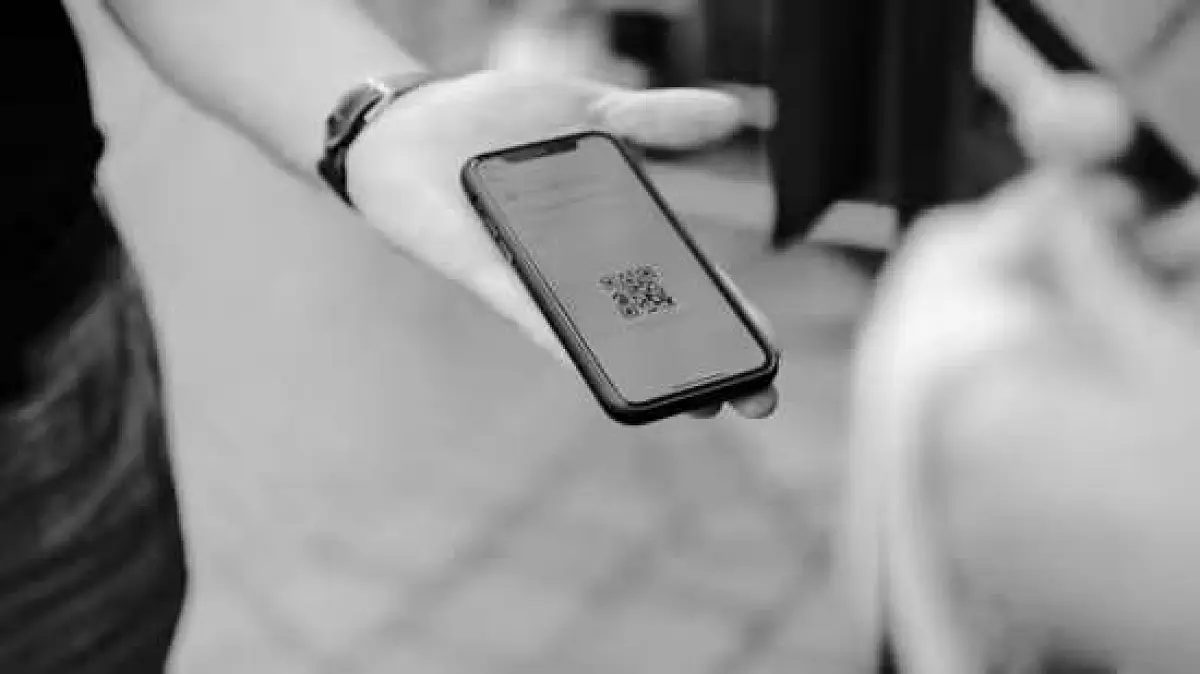
Pune Restaurant QR Code Data Breach: Digital Menus Face Intense Scrutiny Over Customer Privacy Failures
The pune restaurant qr code data breach isn’t just a one-off mistake. It’s a crack in the system.
And it’s got the entire Maharashtra F&B circuit on edge.
What looked like a simple QR scan at a busy FC Road lounge has now triggered a full-blown privacy backlash. Operators pushed speed. They got exposure instead.
And diners? They’re not buying the trade-off anymore.
The Shocking Details of the FC Road Incident
The chain starts at a "Social" outlet on Fergusson College Road.
Customer Rishika Dutta walks in. Scans the QR. Inputs her number. Standard flow.
Order done. Night ends.
Or so it seemed.
Unsolicited Late-Night Communications
Hours later, her phone lights up.
Unknown number. Not random. A staff member from the same outlet.
He identifies himself as floor staff. Then crosses the line.
Personal questions. Repeated messages. Push for a connection outside work.
No consent. No boundary.
Tracing the Path of Data Exploitation
She never shared her number directly.
That leaves one route, the system.
The pune restaurant qr code data breach exposes a blunt reality: staff can see more than they should.
Phone numbers. Table data. Order logs.
All sitting open on active terminals.
No filters. No masking. No control.
Corporate Accountability and Management Reaction
Once the video went live, the brand moved fast. Or at least tried to.
Statements came out. Apologies followed.
But the gaps showed.
Immediate Employee Termination Claims
Management confirmed the staff member was identified.
They claimed he was removed. Banned across outlets.
Public apology issued. Clean language. Strong tone.
But no paperwork surfaced.
The Push for Written Documentation and Formal Apologies
The customer pushed back.
No termination letter. No formal record.
Just comments under a post.
And that didn’t land well.
Because in this business, if it’s not documented, it didn’t happen.
The Structural Vulnerability of Digital Hospitality Menus
This isn’t about one employee.
It’s about the system everyone’s using.
The pune restaurant qr code data breach shows how thin the backend really is.
Most QR systems aren’t built for safety. They’re built for data capture.
The Problem With Mandatory Number Input
No number. No menu.
That’s the rule at many spots now.
Diners don’t get a choice. They hand over data just to read the menu.
And that’s where it starts going wrong.
Lack of Tiered Administrative Access Control
In a tight setup, only managers see customer data.
Here? Everyone sees it.
Floor staff. Junior crew. Anyone logged in.
That’s the gap.
And it’s wide open.
The Broader Conversation on Consumer Safety and Gender Harassment
The reaction didn’t stay local.
It spread fast. Because it’s familiar.
Same pattern seen across delivery apps and ride platforms.
Access leads to misuse.
Netizens Demand a Return to Paper Options
The pushback is clear.
Bring back paper menus.
No forced data entry. No digital trail.
Just food. That’s it.
The Intersection with National Identity Frameworks
There’s a bigger risk sitting under this.
Phone numbers in India are tied deep, banking, IDs, everything.
Leak one piece, and it connects to more.
That turns a dinner outing into a security threat.
Potential Legal Remedies and Regulatory Oversight
Now the legal side is heating up.
Experts aren’t suggesting internal fixes.
They’re pointing straight to formal action.
Filing Formal Police Complaints Against Stalking
First step: FIR.
Cybercrime unit. No delay.
Digital stalking is a criminal offense now. No grey area.
And enforcement matters.
Litigating the Parent Corporate Entity
The staff member isn’t the only target.
The company holds the system. That’s where liability sits.
Under data protection law, they need to prove safeguards.
If they can’t, the fallout gets expensive.
And industry-wide.
Because once one case sticks, every operator will have to clean up their backend, fast.