Red Lobster Closes Times Square Location After 23 Years in NYC
Red Lobster Times Square closure confirmed for June 14, ending a 23-year run at 5 Times Square. The chain exits New York City entirely. Read the full story.
 Prajakta Sanjay Warwadkar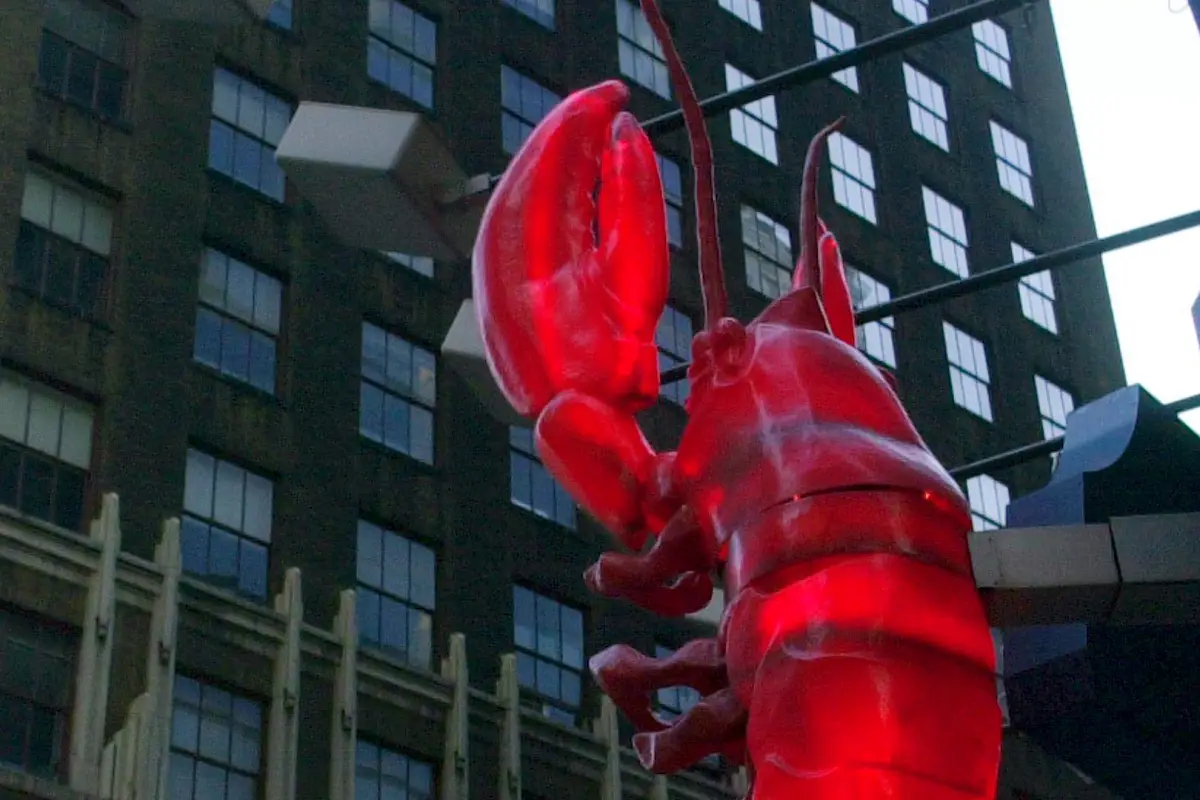
NEW YORK, June 4, 2026 — Red Lobster confirms it will permanently close its Times Square restaurant on June 14, ending a 23-year presence at 5 Times Square and leaving the seafood chain without a single location in New York City.
The closure removes one of the most recognizable casual dining outposts in Midtown Manhattan. The three-story restaurant opened in 2003 and built a following among tourists, theatergoers and New Yorkers seeking cheddar bay biscuits and affordable seafood steps from Broadway.
Red Lobster Times Square Closure Driven by Construction and Building Conversion
Red Lobster cited sustained construction disruption as the primary cause of the shutdown. The building at 5 Times Square, on the corner of 41st Street and Seventh Avenue, has been under extended construction work that the company says cut into customer access, foot traffic and visibility.
The building's planned conversion to residential use made a long-term lease renewal unworkable. "Extensive and prolonged construction at the building has significantly impacted access, visibility, and foot traffic at this restaurant," Red Lobster said in an official statement. "Given those conditions, along with the building's planned conversion to residential use, continuing to operate at this location was no longer viable."
The company added that the decision was not reached lightly. "Times Square has been an important chapter in Red Lobster's history, and this was a difficult decision," the statement read.
Staff Offered Transfers as Red Lobster Exits NYC Entirely
All employees at the Times Square location will receive transfer offers to other Red Lobster restaurants of their choice, along with additional pay to support them through the transition. The company confirmed it is working to place affected staff as the June 14 closing date approaches.
The closure leaves Red Lobster with no restaurant presence anywhere in New York City's five boroughs. The Times Square location had stood as the chain's only remaining foothold in the city.
Closure Adds to Mounting List of Red Lobster Shutdowns Since Bankruptcy
The Times Square restaurant is at least the sixth Red Lobster to close in 2026. Locations in Baton Rouge, Louisiana, central Pennsylvania and Tallahassee home to the chain's oldest restaurant have all shuttered within the past month. Two Kansas City-area restaurants also closed during the same period.
The Times Square exit joins more than 100 Red Lobster closures logged in recent years, spanning the period leading up to and following the chain's May 2024 Chapter 11 bankruptcy filing. Despite operating more than 500 U.S. locations at the end of 2025, Red Lobster reported a 6.2 percent year-over-year sales decline, bringing annual revenue to $1.56 billion.
Red Lobster has not indicated that the Times Square closure signals a new round of widespread shutdowns. The company has framed each recent closing as a site-specific decision tied to local operating conditions.
Building's Rent and Lease Pressure Preceded Final Closure Decision
The Times Square location's financial situation had drawn scrutiny for more than a year before the closure announcement. In 2024, the owners of 5 Times Square sought approximately $2.2 million in annual rent for the three-story, 16,482-square-foot space a figure that strained negotiations as Red Lobster worked through post-bankruptcy restructuring.
At the time, employees were told the restaurant was not on the closure list and remained a high-performing location. The company's position shifted as construction activity intensified and the building's ownership moved forward with residential conversion plans.
The Times Square location had drawn national attention over its 23-year run, including a widely covered free lobster giveaway promotion in 2023 that generated significant foot traffic and media coverage. Its closing marks the end of a chapter for a location that, for two decades, functioned as one of the most visible casual dining addresses in the United States.
More information about Indian cuisine and its regional diversity can be explored through Indian cuisine history and traditions.
Businesses monitoring hospitality expansion trends can also explore restaurant industry growth trends for 2026 to understand how regional food concepts are shaping dining markets.