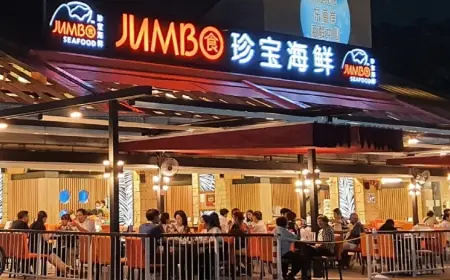
Restaurant Collapse in Kota Raises Questions Over Illegal Construction
A restaurant collapse in Kota, Rajasthan, has led to the death of a student, triggering renewed concerns over illegal construction and public safety compliance.
 Prajakta Sanjay Warwadkar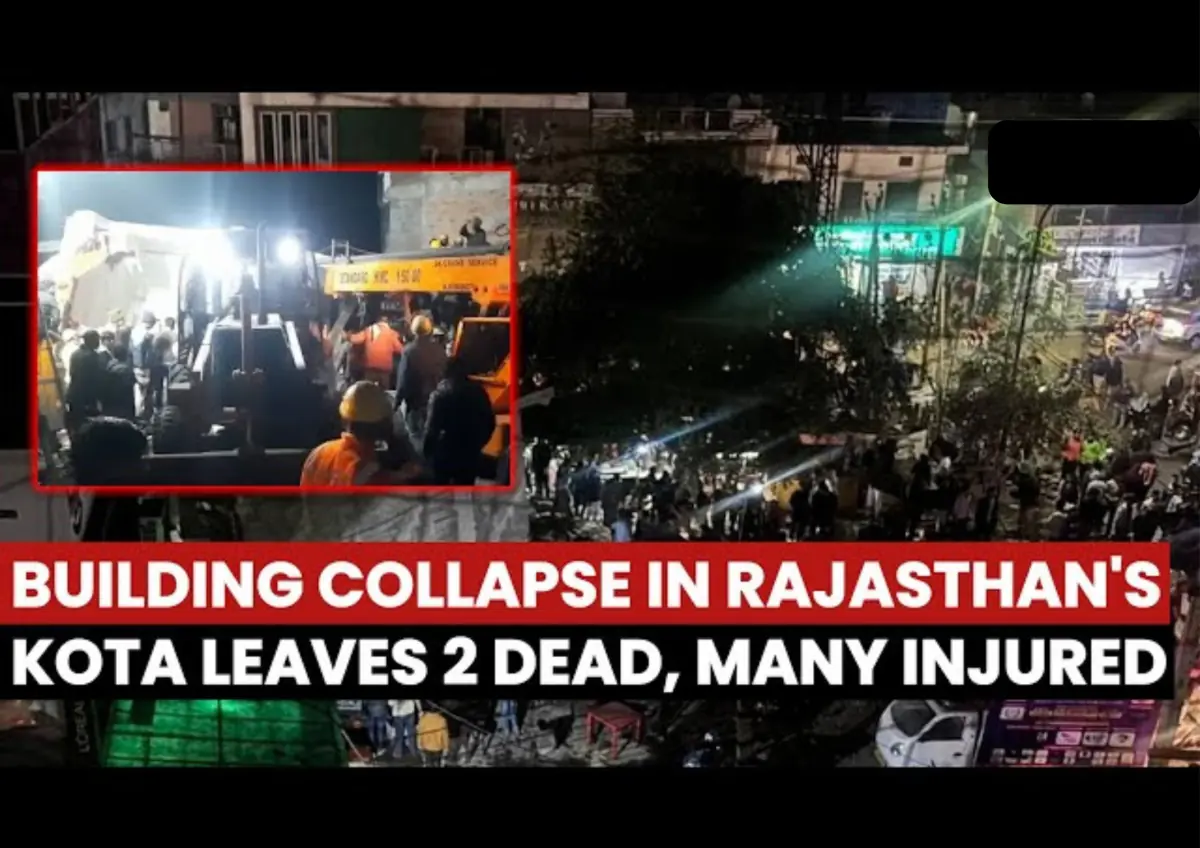
Fatal Incident Shakes Kota
A tragic incident in Kota, Rajasthan, has drawn public attention to the risks associated with illegal construction after a restaurant structure collapsed, resulting in the death of a student. The incident has sparked outrage and concern among residents, students, and authorities alike. Kota, known as a major education hub, sees thousands of young students living and dining across the city. Incidents of this nature raise serious questions about safety standards in commercial establishments that cater to a vulnerable population.
Allegations of Illegal Construction
Preliminary information suggests that the restaurant structure may have been illegally constructed or modified without proper approvals. Such violations often bypass structural audits and safety checks, increasing the risk of accidents. Illegal extensions, overloaded floors, and non-compliance with building norms remain a recurring issue in many urban centres, particularly in fast-growing cities like Kota.
Safety Compliance Under Scrutiny
The incident has once again highlighted gaps in enforcement of building and safety regulations. Restaurants and commercial outlets are required to follow strict guidelines related to structural integrity, occupancy limits, and fire and disaster preparedness. When these norms are ignored, the consequences can be fatal, as seen in this case. Industry experts have long warned that weak enforcement enables unsafe practices to continue unchecked.
Impact on Public Trust
For students and families, such incidents erode trust in everyday public spaces. Eating out is considered a routine activity, and safety is often assumed rather than questioned. Events like this force consumers to reconsider that assumption and demand greater accountability from both business owners and civic authorities.
Role of Local Authorities
Municipal bodies play a critical role in approving construction, conducting inspections, and taking action against violations. However, lapses in monitoring and delayed enforcement often allow unsafe structures to remain operational. Following the collapse, authorities are expected to investigate approvals, construction practices, and responsibility for oversight failures.
Hospitality Industry Responsibility
For the hospitality sector, the incident serves as a grim reminder that growth cannot come at the cost of safety. Compliance with construction laws and periodic safety audits are not optional but fundamental responsibilities. Restaurant operators must ensure that their premises meet all legal and structural requirements, especially in high-footfall locations.
Broader Urban Safety Concerns
Urban India continues to struggle with unregulated construction driven by commercial pressure and limited oversight. While restaurants are one visible example, similar risks exist across markets, coaching centres, and residential-commercial hybrids. Addressing these issues requires coordinated action between regulators, law enforcement, and industry stakeholders.
Need for Preventive Action
Experts stress that reactive measures after tragedies are not enough. Regular inspections, transparent approval processes, and strict penalties for violations are essential to prevent future incidents. Public awareness also plays a role, encouraging citizens to question unsafe structures and report suspected violations.
Industry and Policy Implications
Incidents like the Kota restaurant collapse often prompt temporary crackdowns, but long-term change depends on sustained policy enforcement. The hospitality industry, in particular, must advocate for safer development practices to protect both patrons and employees. A culture of compliance ultimately benefits businesses by building trust and long-term viability.
Looking Ahead
As investigations continue, accountability will be closely watched. For Kota and other rapidly growing cities, the incident underscores the urgent need to prioritise safety over unchecked expansion. Preventing such tragedies requires commitment at every level—from policymakers and regulators to business owners and developers.