Restaurant Industry Body Seeks Maharashtra Government Relief Amid LPG Shortage
Restaurant industry associations in Maharashtra seek government relief as LPG shortages disrupt operations and increase costs across the hospitality sector.
 Prajakta Sanjay Warwadkar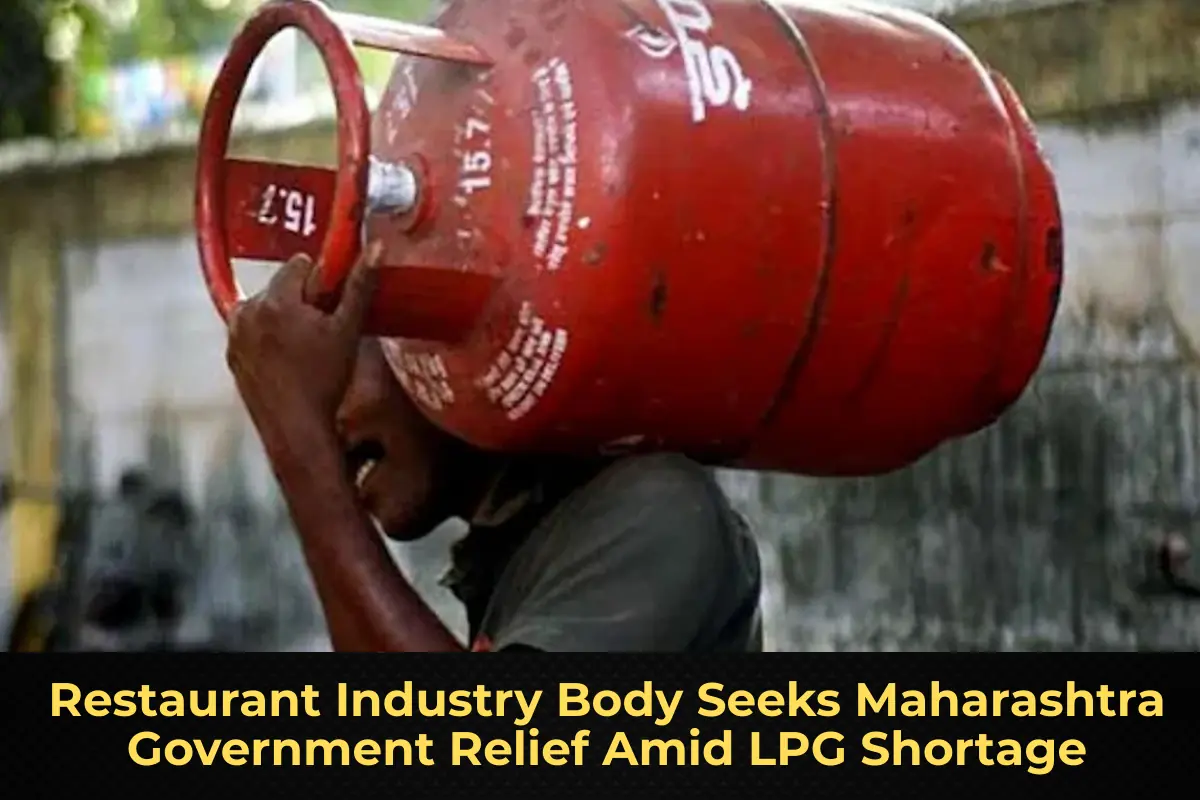
Restaurant Industry Body Seeks Maharashtra Government Relief Amid LPG Shortage
Restaurant industry associations in Maharashtra have approached the state government seeking urgent relief measures as an ongoing shortage of liquefied petroleum gas (LPG) disrupts kitchen operations, increases costs, and threatens business continuity across the hospitality sector in March 2026.
The appeal comes from organized restaurant bodies representing a wide network of eateries, which rely heavily on LPG as a primary cooking fuel. The shortage has led to delays in supply, rising input costs, and operational challenges, particularly for small and mid-sized establishments.
Supply Disruptions Impact Daily Operations
Restaurant operators across major cities including Mumbai, Pune, and Navi Mumbai have reported inconsistent LPG supply, forcing many establishments to either reduce operating hours or adjust menus based on available resources. The shortage has also created uncertainty in kitchen planning, affecting service efficiency and customer experience.
Industry representatives indicate that regular supply cycles have been disrupted, with refilling delays extending beyond normal timelines. This has led to increased dependence on alternative arrangements, which are often more expensive and less reliable.
For restaurants that operate on tight margins, even short-term disruptions can have a significant financial impact, particularly during peak dining periods.
Rising Costs Add Pressure on Margins
In addition to supply shortages, rising LPG prices have compounded the challenges faced by the industry. Restaurants are experiencing a sharp increase in fuel expenses, which directly affects overall operating costs.
Many operators are finding it difficult to pass on these additional costs to customers due to price sensitivity in the market. As a result, profit margins are being squeezed, with some businesses reporting a noticeable decline in earnings.
The situation is particularly challenging for independent restaurants and smaller chains that lack the financial flexibility to absorb sustained cost increases.
Industry Body Calls for Government Intervention
Restaurant associations have formally requested the Maharashtra government to intervene by ensuring uninterrupted LPG supply to commercial establishments and considering measures such as priority allocation or subsidized pricing for the hospitality sector.
Among the key demands are streamlined distribution processes, improved coordination with gas suppliers, and policy support to stabilize prices. Industry leaders have emphasized that timely intervention is critical to prevent widespread disruptions and potential closures.
The associations have also highlighted the broader economic contribution of the restaurant sector, including employment generation and support for allied industries, as a reason for prioritizing relief measures.
Potential Impact on Employment and Supply Chains
The ongoing LPG shortage not only affects restaurant operations but also has wider implications for employment and supply chains linked to the hospitality industry. Restaurants support a large workforce, including chefs, service staff, delivery personnel, and suppliers.
If the situation persists, operators may be forced to cut costs by reducing staff or limiting operations, which could impact livelihoods across the sector. Additionally, disruptions in restaurant activity can affect suppliers of raw materials, logistics providers, and other stakeholders in the value chain.
The interconnected nature of the industry amplifies the potential economic impact of prolonged fuel shortages.
Exploring Alternative Solutions
In response to the crisis, some restaurants are exploring alternative energy sources such as electric cooking equipment or piped natural gas, where available. However, transitioning to alternative systems requires upfront investment and infrastructure that may not be feasible for all establishments.
Temporary solutions, including shared resources or backup fuel arrangements, are being adopted in some cases, but these measures are not sustainable in the long term. Industry stakeholders stress that a stable LPG supply remains essential for the majority of restaurant operations.
The crisis has also prompted discussions around the need for diversified energy strategies within the hospitality sector.
Government Response and Policy Considerations
While the Maharashtra government has yet to announce specific measures in response to the industry’s appeal, officials are expected to assess the situation and explore possible interventions. Ensuring adequate fuel supply to commercial sectors remains a complex challenge, given competing demands and logistical constraints.
Policy considerations may include prioritizing essential services, improving supply chain efficiency, and addressing bottlenecks in distribution. Collaboration between government agencies, fuel suppliers, and industry bodies will be critical in resolving the issue.
Industry observers note that timely and coordinated action could help mitigate the immediate impact while preventing similar disruptions in the future.
Broader Industry Context
The LPG shortage comes at a time when the restaurant industry is already navigating multiple challenges, including rising food costs, labor shortages, and evolving consumer preferences. Fuel supply disruptions add another layer of complexity to an already demanding operating environment.
Across India, the hospitality sector has been focusing on recovery and growth, making the current situation particularly concerning for stakeholders. Ensuring stability in key inputs such as fuel is essential for sustaining momentum and supporting long-term development.
The situation in Maharashtra may also serve as a case study for other regions facing similar supply challenges.
Future Outlook
The resolution of the LPG shortage will depend on coordinated efforts between the government and industry stakeholders. In the short term, ensuring consistent supply and addressing price volatility will be critical to stabilizing operations.
In the longer term, the crisis may accelerate the adoption of alternative energy solutions and encourage policy reforms aimed at strengthening supply chains. Building resilience against such disruptions will be a key priority for the hospitality sector moving forward.
Restaurant operators remain hopeful that government intervention will provide relief and restore normalcy, enabling businesses to focus on growth and customer service.
Conclusion
Restaurant industry bodies in Maharashtra have urged swift government action to address LPG shortages, as operators continue to face operational disruptions and rising costs that threaten stability across the sector.