Restaurant Kitchens Struggle as LPG Prices Surge in Bangladesh
Restaurant kitchens in Bangladesh struggle as LPG prices surge, increasing costs and shrinking profit margins across the foodservice industry.
 Prajakta Sanjay Warwadkar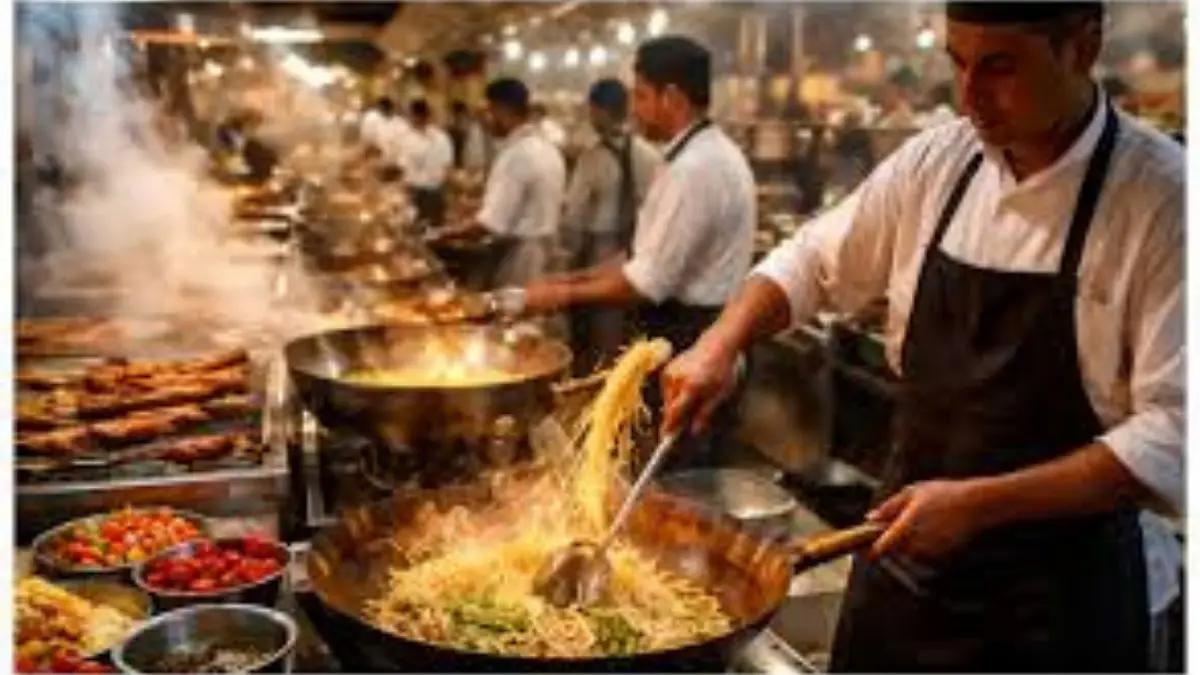
Restaurant kitchens LPG Bangladesh is becoming a major concern as rising fuel costs continue to disrupt the country’s foodservice sector. Restaurants across Bangladesh are struggling to absorb back-to-back increases in liquefied petroleum gas (LPG) prices, adding pressure to already strained operations.
The latest surge in LPG prices comes at a time when food inflation and reduced consumer spending are already impacting the restaurant industry. According to a report by The Daily Star, the price of LPG has increased twice within a short span, significantly raising operational costs.
Restaurant Kitchens LPG Bangladesh Faces Cost Pressure
The rising LPG prices have disrupted cost structures for restaurants, especially those relying on commercial gas cylinders. A 35kg cylinder, which previously cost around Tk 3,500, now ranges between Tk 5,600 and Tk 6,800.
This sharp increase has forced restaurant operators to rethink their pricing strategies. Many businesses had already adjusted menu prices due to earlier food inflation, leaving little room for further increases without affecting customer demand.
Despite these challenges, most restaurants are choosing to absorb the additional costs for now. However, industry experts warn that this approach may not be sustainable in the long run.
Food Inflation Adds to Restaurant Industry Challenges
In addition to LPG price hikes, food costs have surged across Bangladesh. Essential ingredients such as rice, chicken, and beef have seen significant price increases, further squeezing profit margins.
For example, the price of basmati rice has nearly doubled, while chicken and beef prices have also risen sharply. These increases have made it difficult for restaurants to maintain profitability without passing costs on to consumers.
As a result, profit margins for many restaurants have dropped from around 30 percent to nearly 15 percent. Operators are now focusing on cost control and efficiency measures to stay afloat.
Declining Footfall Impacts Restaurant Revenue
Restaurant kitchens LPG Bangladesh challenges are further compounded by declining customer footfall. High inflation and reduced purchasing power have led to cautious consumer spending, especially in urban dining markets.
Shorter business hours and ongoing fuel-related disruptions have also contributed to lower evening traffic. Some restaurants report a decline in sales of up to 50 percent compared to previous months.
To manage these pressures, operators are optimizing kitchen operations, reducing waste, and improving energy efficiency. However, these measures offer only partial relief against rising costs.
Industry Scale and Economic Impact
Bangladesh’s restaurant sector plays a vital role in the economy. The country has approximately 481,000 restaurants employing around 30 lakh people, with nearly 2 crore individuals depending on the sector directly or indirectly.
In Dhaka alone, there are about 25,000 restaurants, reflecting the rapid growth of the industry over the past decade. However, rising LPG prices and inflation threaten this growth trajectory.
For more industry insights, visit Hospitality Career Profile.
Future Outlook for Restaurant Kitchens LPG Bangladesh
Looking ahead, restaurant operators are closely monitoring global energy trends and local market conditions. Many businesses are considering menu price increases of 5 to 10 percent if LPG prices continue to rise.
While the industry has shown resilience in the face of economic challenges, sustained cost pressures could lead to further consolidation or closures among smaller operators.
The situation highlights the need for balanced pricing strategies, operational efficiency, and potential policy support to stabilize the restaurant sector in Bangladesh.
Overall, the restaurant kitchens LPG Bangladesh crisis reflects broader economic pressures impacting the hospitality industry, where rising fuel and food costs are reshaping business dynamics.