Restaurant Layout Strategies Influence Customer Spending Patterns in India
New insights reveal how table placement and restaurant layout design are influencing customer spending behavior across India’s dining sector in 2026.
 Prajakta Sanjay Warwadkar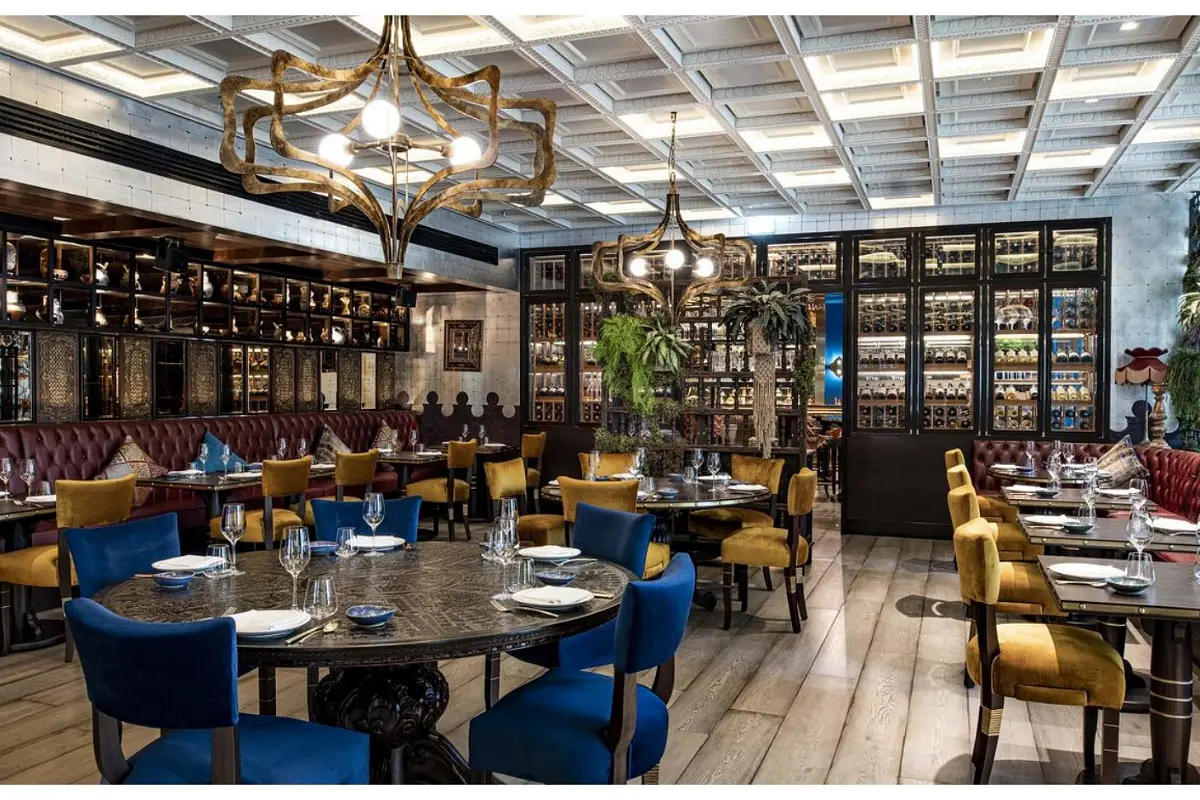
Restaurant Layout Strategies Influence Customer Spending Patterns in India
Restaurant operators across India are increasingly leveraging layout design and table placement strategies in 2026 to influence customer spending, as new industry insights highlight the growing role of spatial planning in shaping dining behavior. The trend reflects a broader shift toward data-driven decision-making in the hospitality sector, where operators are optimizing physical spaces to enhance revenue and customer experience.
The findings indicate that where customers are seated within a restaurant can significantly impact how much they order, how long they stay, and their overall perception of the dining experience. As competition intensifies and margins tighten, restaurant owners are focusing on subtle yet effective design elements to maximize profitability.
The Psychology Behind Table Placement
Table placement is emerging as a critical factor in influencing customer behavior, rooted in principles of environmental psychology. Seating arrangements can affect diners’ comfort levels, privacy, and engagement with their surroundings, all of which contribute to spending patterns.
For instance, tables located near windows or with scenic views often attract customers willing to spend more, as these areas enhance the perceived value of the dining experience. Similarly, centrally positioned tables in high-energy zones can encourage faster turnover but may result in shorter dining durations.
Understanding these behavioral cues allows operators to strategically assign seating to different customer segments.
High-Value Zones and Revenue Optimization
Restaurants are increasingly identifying “high-value zones” within their layouts—areas that consistently generate higher average bills. These zones are typically associated with better lighting, appealing views, or a sense of exclusivity.
Operators are using this knowledge to design floor plans that maximize the number of such premium seating options. In some cases, these tables are reserved for advance bookings or special occasions, further enhancing their revenue potential.
This targeted approach enables restaurants to optimize space utilization while maintaining a balanced flow of customers.
Impact on Customer Experience
While revenue optimization is a key objective, maintaining a positive customer experience remains essential. Overcrowding or poorly planned layouts can negatively affect comfort and service quality, leading to lower satisfaction and reduced repeat visits.
Restaurants are therefore focusing on achieving a balance between maximizing capacity and ensuring a pleasant dining environment. Elements such as spacing between tables, noise levels, and ease of movement are carefully considered in the design process.
A well-planned layout not only boosts spending but also enhances overall guest satisfaction.
Role of Lighting and Ambience
Lighting and ambience play a significant role in complementing table placement strategies. Softer lighting in certain areas can create a more intimate atmosphere, encouraging longer stays and higher spending on food and beverages.
Conversely, brighter lighting in high-traffic areas can support quicker service and turnover. The interplay between lighting and seating arrangements is being used to guide customer behavior in subtle ways.
These design elements are increasingly integrated into the overall business strategy of restaurants.
Technology and Data-Driven Design
The adoption of technology is further enhancing the effectiveness of layout optimization. Restaurants are using data analytics to track customer preferences, spending patterns, and table occupancy rates.
This data is then used to refine seating arrangements and improve operational efficiency. Some operators are even experimenting with dynamic seating strategies, where table assignments are adjusted based on real-time demand and customer profiles.
Technology-driven insights are enabling more precise and impactful design decisions.
Influence on Menu and Service Strategy
Table placement strategies are also influencing menu design and service approaches. For example, customers seated in premium areas may be offered curated menus or personalized recommendations to encourage higher spending.
In contrast, high-turnover zones may focus on streamlined service and quick-serve options to maintain efficiency. Aligning seating strategies with menu offerings allows restaurants to optimize both revenue and service quality.
This integrated approach reflects a holistic view of restaurant operations.
Challenges in Implementation
Despite its benefits, implementing effective layout strategies can be challenging. Constraints such as limited space, architectural limitations, and regulatory requirements can restrict design flexibility.
Additionally, changes to existing layouts may require significant investment and operational adjustments. Staff training is also essential to ensure that seating strategies are executed effectively.
Balancing these challenges with potential benefits is a key consideration for operators.
Industry Adoption and Trends
The use of layout optimization techniques is gaining traction across various segments of the restaurant industry, from fine dining establishments to casual dining and quick-service outlets. As awareness grows, more operators are incorporating design strategies into their business models.
This trend is particularly evident in urban markets, where competition is intense and customer expectations are high. Restaurants are increasingly viewing their physical space as a strategic asset rather than just a functional necessity.
The integration of design and business strategy is reshaping the industry landscape.
Future Outlook
Looking ahead, the role of layout and table placement in influencing customer behavior is expected to become even more significant. Advances in technology and data analytics will enable more sophisticated and personalized approaches to seating strategies.
As restaurants continue to evolve, the ability to create spaces that drive both customer satisfaction and revenue will be a key differentiator. Operators who invest in thoughtful design are likely to gain a competitive edge.
The focus on spatial optimization underscores the importance of innovation in every aspect of the hospitality business.
Conclusion
The growing emphasis on table placement and layout design highlights a strategic shift in India’s restaurant industry, where operators are using spatial planning to influence customer spending and enhance overall performance in 2026.