The Restaurant That Changed How Manchester Eats: A Decade of Culinary Revolution
Discover the story of the restaurant that changed how Manchester eats. Explore its impact on the Northern Quarter, its culinary legacy, and the evolution of dining in 2026.
 Prajakta Sanjay Warwadkar
The Restaurant That Changed How Manchester Eats: A Decade of Culinary Revolution
Restaurateurs are finally flagging a move toward… and in Manchester, that shift can be traced back to one kitchen. Industry insiders still point to it as the restaurant that changed how Manchester eats, the place that flipped the city from safe plates to serious ambition.
This wasn’t just another opening. It reset expectations. It pushed diners, and competitors, to rethink what a night out should look like.
The restaurant that changed how Manchester eats landed at the right time and ditched the old rules fast. No stiff service. No white tablecloth theatre. Instead, raw interiors, open kitchens, and food that spoke louder than the room.
And that shift stuck. You see it now across Ancoats, in Mackie Mayor, and across the wider city. The appetite for risk came from here. The confidence followed.
Even in today’s restaurant industry growth 2026 cycle, operators still copy the playbook, tight sourcing, seasonal menus, and direct chef-to-guest connection.
The Birth of the Northern Quarter Dining Culture
Before the restaurant that changed how Manchester eats, the Northern Quarter wasn’t a food destination. It was records, vintage shops, and a few quiet cafés.
Then one opening changed the traffic.
From Back-Alley Secret to National Spotlight
The founders took a risk. Wrong postcode. Right product.
People showed up anyway. And kept coming.
That success flipped the model. Destination dining moved north. Investors followed. The Northern Quarter turned into a serious hospitality zone almost overnight.
Critics came up from London. Not out of curiosity, but necessity. The restaurant that changed how Manchester eats forced them to.
A Masterclass in Industrial Design
The room mattered as much as the plate.
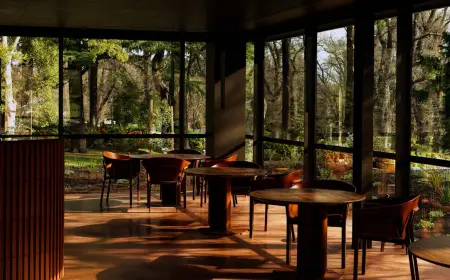
Exposed brick. Reclaimed wood. Open kitchens. Nothing hidden.
It wasn’t style for show—it was honesty. Guests saw the work. And that became the city’s signature look.
The Culinary Philosophy of the Restaurant That Changed How Manchester Eats
The real shift happened on the menu.
The restaurant that changed how Manchester eats pushed small plates hard. Shared tables. Fast pacing. More interaction.
Dinner stopped being a sequence. It became a session.
The Rise of Seasonal and Local Sourcing
Before it was trendy, they were already working with Cheshire, Lancashire, and Cumbria suppliers.
No imports for the sake of it. Just strong local product handled properly.
That approach changed buying habits across the city. It also gave diners something they hadn’t felt before—pride in local produce.
A carrot. A cut of brisket. Treated right, it sold the table.
Democratizing High-End Flavors
They stripped out the intimidation.
No dress codes. No barriers.
High-end technique, but served in a way people actually wanted to engage with. That’s what stuck.
Impact on the Next Generation of Manchester Chefs
Walk into any serious kitchen in Manchester now, someone trained there. Or learned from someone who did.
The restaurant that changed how Manchester eats became an unofficial training ground.
Cultivating a Community of Innovators
Creativity wasn’t controlled. It was pushed.
That led to new ideas, new pairings, and new standards that spread across the British culinary landscape.
The talent didn’t stay in one place. It moved. Opened new spots. Raised the baseline everywhere.
The Mentor-Protégé Relationship
It wasn’t just about output. It was about people.
Young chefs got space to build their voice. That kept the energy fresh and the pipeline strong.
How the Restaurant Navigated Global Challenges
Staying relevant for a decade isn’t luck. It’s discipline.
The restaurant that changed how Manchester eats hit rough patches like everyone else, but didn’t drift.
Resilience During Changing Economic Climates
When money tightened, they adjusted without dropping standards.
Kept the product tight. Kept pricing smart.
And they held onto staff and suppliers. That stability showed on the plate and on the floor.
Adapting to Post-2020 Realities
Post-2020 changed habits. They adapted fast.
Digital bookings came in. Feedback loops tightened.
But the core stayed the same, people still came in for the room, the energy, the connection.
The Legacy of Innovation in 2026
In 2026, Manchester isn’t chasing London anymore.
It’s writing its own playbook.
And a lot of that traces back to the restaurant that changed how Manchester eats.
The Enduring Appeal of Authenticity
No trend-chasing. No panic pivots.
Just consistency.
That’s why it still pulls crowds while newer spots come and go.
It’s part of the city now. Not just a place to eat.
A Blueprint for Future Success
New operators still study it.
Clear voice. Strong product. Real connection to the crowd.
That’s the formula. Still works.
Future Horizons for Manchester’s Food Scene
The story isn’t done.
The restaurant that changed how Manchester eats set the tone—but the city keeps pushing.
The Next Wave of Culinary Giants
Victoria Riverside. Mayfield Depot. New ground opening up.
But the DNA is familiar, bold menus, strong sourcing, no fear.
You can trace it back every time.
Manchester as a Global Culinary Capital
Manchester isn’t following anymore.
It’s attracting talent. Building its own crowd.
And it all circles back to one move, the restaurant that changed how Manchester eats and the shift it forced across the city.