Restaurants Embrace Dim Lighting to Enhance Dining Experience and Influence Consumer Behavior
Restaurants are increasingly adopting dim lighting to enhance ambiance, influence customer behavior, and create immersive dining experiences in 2026.
 Prajakta Sanjay Warwadkar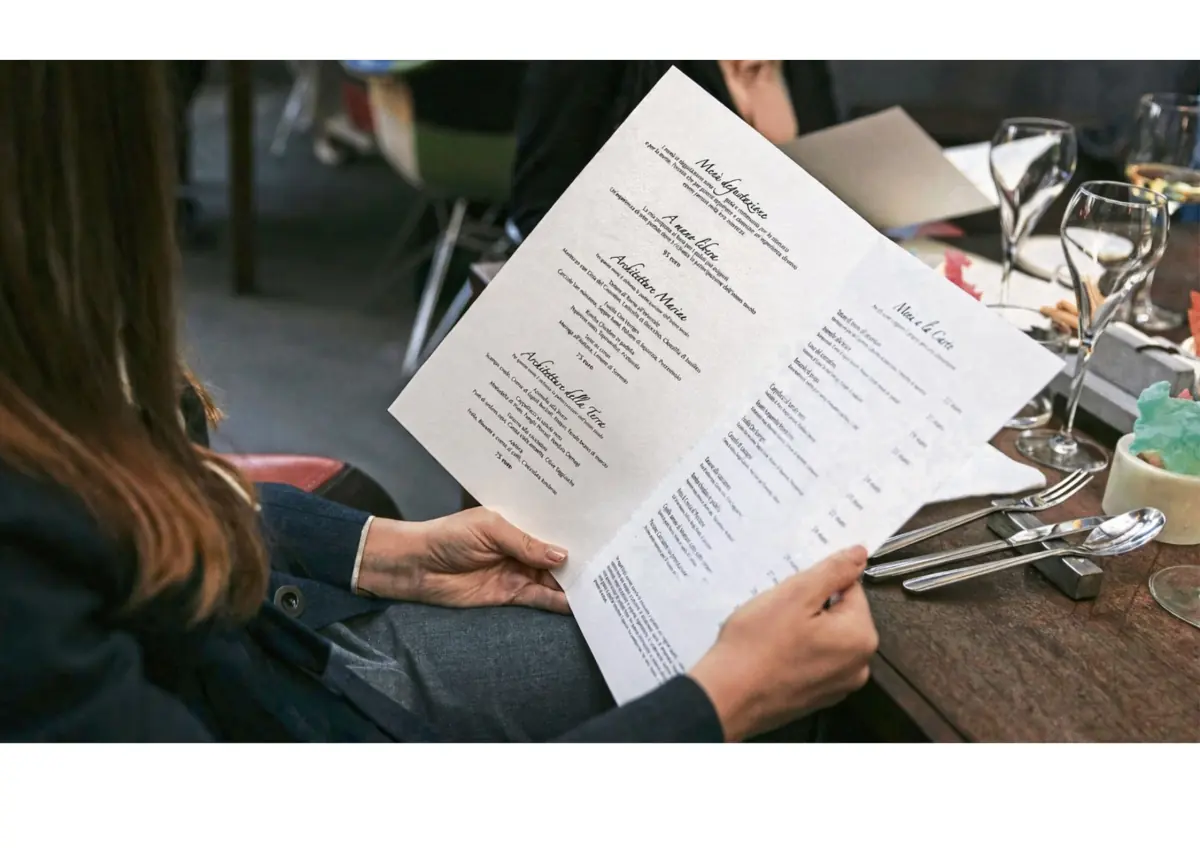
Restaurants Embrace Dim Lighting to Enhance Dining Experience and Influence Consumer Behavior
Restaurants across global markets are increasingly adopting dim lighting as a strategic design element in 2026, aiming to enhance ambiance, influence customer behavior, and create more immersive dining experiences. The trend, observed in both casual and upscale establishments, reflects a broader shift in the hospitality industry toward experience-driven dining, where atmosphere plays a critical role alongside food and service.
Industry operators are redesigning interiors with softer, warmer lighting to create intimate and visually appealing environments that encourage longer stays and higher customer engagement. The move is driven by changing consumer expectations, as diners increasingly seek memorable and aesthetically curated experiences rather than purely functional dining spaces.
Lighting as a Strategic Design Tool
Lighting has evolved from a purely functional component to a key strategic tool in restaurant design. Dim lighting, in particular, is being used to create a sense of comfort and exclusivity, making spaces feel more relaxed and inviting. By reducing brightness and focusing on ambient illumination, restaurants are able to shape how customers perceive their surroundings.
Designers and operators note that lighting directly impacts mood, influencing how diners feel during their visit. Softer lighting can create a calming atmosphere, encouraging customers to linger longer and enjoy their meals at a slower pace. This extended dwell time often translates into increased spending on food and beverages.
The use of layered lighting, including candles, pendant lights, and concealed fixtures, is becoming increasingly common as restaurants seek to balance functionality with aesthetics.
Impact on Consumer Behavior
Research and industry observations suggest that dim lighting can significantly influence consumer behavior. In low-light environments, diners are more likely to feel relaxed and less hurried, which can lead to higher order values and repeat visits. The psychological effect of lighting plays a role in shaping perceptions of food quality and overall experience.
Customers in dimly lit settings may also be more inclined to indulge, ordering additional items such as desserts or premium beverages. The atmosphere created by subdued lighting can enhance the perceived value of the dining experience, making it feel more special and memorable.
At the same time, operators must strike a balance to ensure that lighting levels remain practical for reading menus and enjoying meals without discomfort.
Integration with Interior Design and Branding
Dim lighting is often integrated with broader interior design strategies to create cohesive and distinctive brand identities. Restaurants are combining lighting with materials such as wood, metal, and textured fabrics to achieve a warm and inviting aesthetic.
The trend is particularly prominent in establishments that emphasize storytelling and thematic design, where lighting plays a key role in reinforcing the concept. From modern minimalist spaces to heritage-inspired interiors, lighting is used to highlight architectural features and create focal points.
Brand differentiation is increasingly tied to the overall sensory experience, and lighting has become a central component of this approach.
Influence of Social Media and Visual Appeal
The rise of social media has further accelerated the adoption of dim lighting in restaurants. Visually appealing interiors are more likely to be shared online, contributing to organic marketing and brand visibility. Dim lighting, when executed effectively, can enhance the visual presentation of dishes and create photogenic settings.
Restaurants are carefully designing lighting setups to ensure that food remains visually attractive in photographs, despite lower light levels. This includes the use of targeted lighting on tables and dishes to maintain clarity and color accuracy.
The interplay between ambiance and digital shareability has become a key consideration for operators seeking to attract younger, socially active audiences.
Challenges and Operational Considerations
While dim lighting offers several advantages, it also presents operational challenges. Ensuring adequate visibility for both customers and staff is essential to maintaining service quality and safety. Poorly executed lighting can lead to difficulties in menu reading, food presentation, and overall comfort.
Restaurants must also consider energy efficiency and maintenance when implementing lighting solutions. Advanced lighting technologies, such as LED systems with adjustable brightness and color temperature, are being used to address these challenges while providing flexibility.
Staff training is another important factor, as employees need to navigate and operate effectively in lower-light environments without compromising service standards.
Adoption Across Different Dining Segments
The dim lighting trend is not limited to fine dining establishments; it is increasingly being adopted across a wide range of dining formats, including casual dining, cafes, and bars. Each segment is adapting the concept to suit its target audience and brand positioning.
In upscale restaurants, dim lighting is often used to create a sense of exclusivity and sophistication. In more casual settings, it may be combined with vibrant design elements to create a relaxed and contemporary atmosphere.
The versatility of the trend allows it to be applied in various contexts, making it a popular choice for new restaurant openings and renovations alike.
Role in Enhancing Customer Experience
Ultimately, the adoption of dim lighting is driven by its ability to enhance the overall customer experience. By creating a comfortable and engaging environment, restaurants can differentiate themselves in a competitive market and build stronger connections with their customers.
The focus on ambiance reflects a broader shift in the hospitality industry, where experiential factors are becoming as important as the quality of food and service. Lighting, as a key element of this experience, is being used to shape perceptions and influence customer satisfaction.
Operators are increasingly viewing their spaces as holistic environments where every element, from lighting to music, contributes to the overall experience.
Future Outlook for Restaurant Design Trends
The use of dim lighting is expected to continue growing as part of a wider emphasis on experiential dining and sensory design. Advances in lighting technology and design innovation will likely enable more sophisticated and customizable solutions, allowing restaurants to tailor their environments to different times of day and customer preferences.
As consumer expectations evolve, the ability to create distinctive and memorable dining experiences will remain a key competitive advantage. Lighting will continue to play a central role in achieving this goal, alongside other design and operational elements.
Industry experts suggest that restaurants that successfully integrate ambiance with functionality will be better positioned to attract and retain customers in an increasingly experience-driven market.
Conclusion
Restaurants are increasingly adopting dim lighting as a strategic design choice to enhance ambiance and influence customer behavior, with the trend now widely implemented across multiple dining segments in 2026.