Rise of Casual Dining Concepts in India: Why the Restaurant Industry Is Shifting in 2026
Explore the rise of casual dining concepts in India and discover how changing consumer habits, café culture, delivery apps, and flexible dining experiences are shaping restaurant trends in 2026.
 Prajakta Sanjay Warwadkar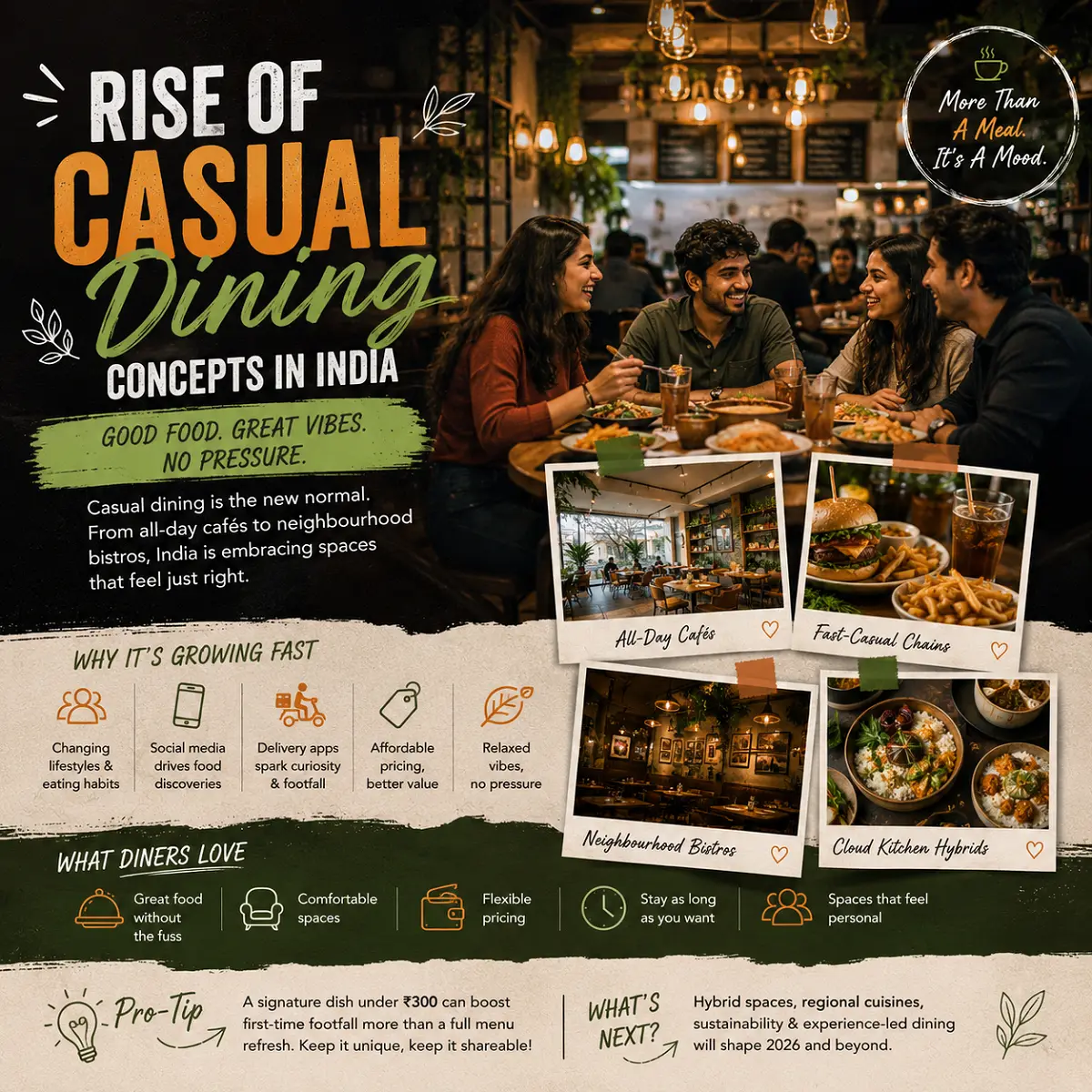
Rise of Casual Dining Concepts in India
Casual dining in India is growing really fast right now, and honestly, it was bound to happen. People still enjoy eating out, obviously, but the old idea of restaurants being either super formal or super basic just doesn’t fit anymore. Most diners want something in the middle now good food, decent pricing, nice atmosphere, no pressure. Somewhere they can sit comfortably without feeling like they need to “dress for the occasion.”
And younger consumers especially? They’ve completely changed the pace of the industry.
Why Is Casual Dining Suddenly Everywhere?
Part of it is money, sure. More people in cities are willing to spend on eating out regularly. But it’s also about habit. Going to a cafe or a casual restaurant doesn’t feel like an “outing” anymore. It’s become part of normal life.
A quick lunch after work. Coffee meetings that somehow turn into dinner. Weekend brunches that go on too long…
You see it everywhere now:
-
all-day cafes packed even on weekdays
-
fast-casual chains opening outlets every few months
-
smaller neighborhood places building almost cult-like regular customers
And honestly, tier-2 cities are catching up faster than people expected. Pune, Indore, Chandigarh, Kochi, diners there are just as aware of food trends as people in Mumbai or Bengaluru now. Maybe even more curious sometimes.
A lot of that comes from constant exposure online. Endless scrolling on Instagram probably changed dining culture more than the industry wants to admit.
Did Delivery Apps Help Casual Dining Grow?
Weirdly… yes.
People thought delivery apps would reduce dine-in traffic. But what actually happened was different. Apps made people experiment more.
Someone orders ramen once at home. Likes it. Then next weekend they visit the actual place because now they’re curious about the full experience. It sort of feeds into itself.
And casual dining works because it feels low-pressure:
-
pricing feels manageable
-
menus are easier to explore
-
nobody rushes you out after 45 minutes
You can stay with one iced coffee and a laptop for hours in some places. Try doing that at a formal fine-dining restaurant.
Which Casual Dining Formats Are Working Best?
Not every format performs equally, though.
|
Format |
Why People Like It |
Avg. Spend |
|
All-Day Cafés |
Flexible, relaxed atmosphere |
₹400–₹700 |
|
Fast-Casual Chains |
Quick service, familiar menus |
₹250–₹500 |
|
Neighbourhood Bistros |
More personal, loyal crowd |
₹600–₹900 |
|
Cloud Kitchen Hybrids |
Affordable and delivery-friendly |
₹200–₹450 |
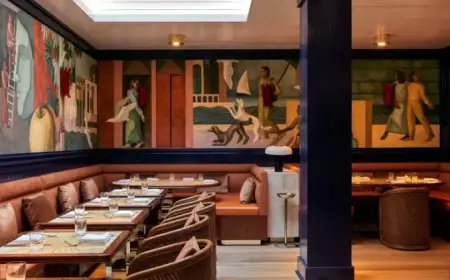
But honestly, people don’t choose restaurants only for food anymore. Atmosphere matters way more now. Lighting matters. Music matters. Even the chairs matter, weirdly enough.
Sometimes a place with average food but a great vibe stays packed.
Why Are People Pulling Away from Formal Dining?
Mostly because formal dining can feel exhausting sometimes.
You need reservations. There’s pressure to order properly. Meals take forever. Great for occasions, sure, but not for random Tuesday evenings when you just want pasta and quiet conversation.
Casual dining removed a lot of that friction.
People like spaces where they can:
-
show up without planning too much
-
eat quickly or stay longer if they want
-
feel comfortable spending ₹400 or ₹1400 without judgment
That flexibility changed everything.
What Challenges Are Casual Dining Restaurants Facing?
From outside, casual dining looks easy to run. It’s really not.
Margins get tight fast, especially in high-rent areas. Ingredient costs fluctuate constantly, delivery platforms take major cuts, and staff retention is harder than expected because younger teams move around a lot.
And honestly, culture matters more than menus sometimes. Restaurants with stressed teams usually feel stressful to customers too. People notice.
Pro-Tip: In our experience, casual dining restaurants that invest in one signature dish, something photogenic, slightly unusual, and priced under ₹300, see a measurable lift in first-time footfall within the first three months of launch. Our team found that this works even better than a broader menu refresh, because it gives new visitors a reason to visit rather than a reason to consider.
What Happens Next in 2026?
Casual dining is probably heading toward more hybrid spaces now cafes mixed with retail, community events, small workspaces, things like that. Regional Indian cuisines are growing too, especially formats making Chettinad, Malvani, or Northeastern food feel more approachable for younger diners.
And sustainability? It’s quietly becoming expected now, not impressive.
Want To Explore More?
Maybe that’s why casual dining feels so relevant today. It fits into real life better. Less performance, less formality, just good food, comfortable spaces, and somewhere people actually want to return to without overthinking it.
More information about Indian cuisine and its regional diversity can be explored through Indian cuisine history and traditions.
Businesses monitoring hospitality expansion trends can also explore restaurant industry growth trends for 2026 to understand how regional food concepts are shaping dining markets.