Sensory Architecture: Redefining the Coastal Brazil Restaurant Experience Through Light and Texture
Explore how sensory architecture is transforming coastal Brazil restaurant design. Discover the intersection of light, texture, and cuisine in this immersive architectural masterpiece.
 Prajakta Sanjay Warwadkar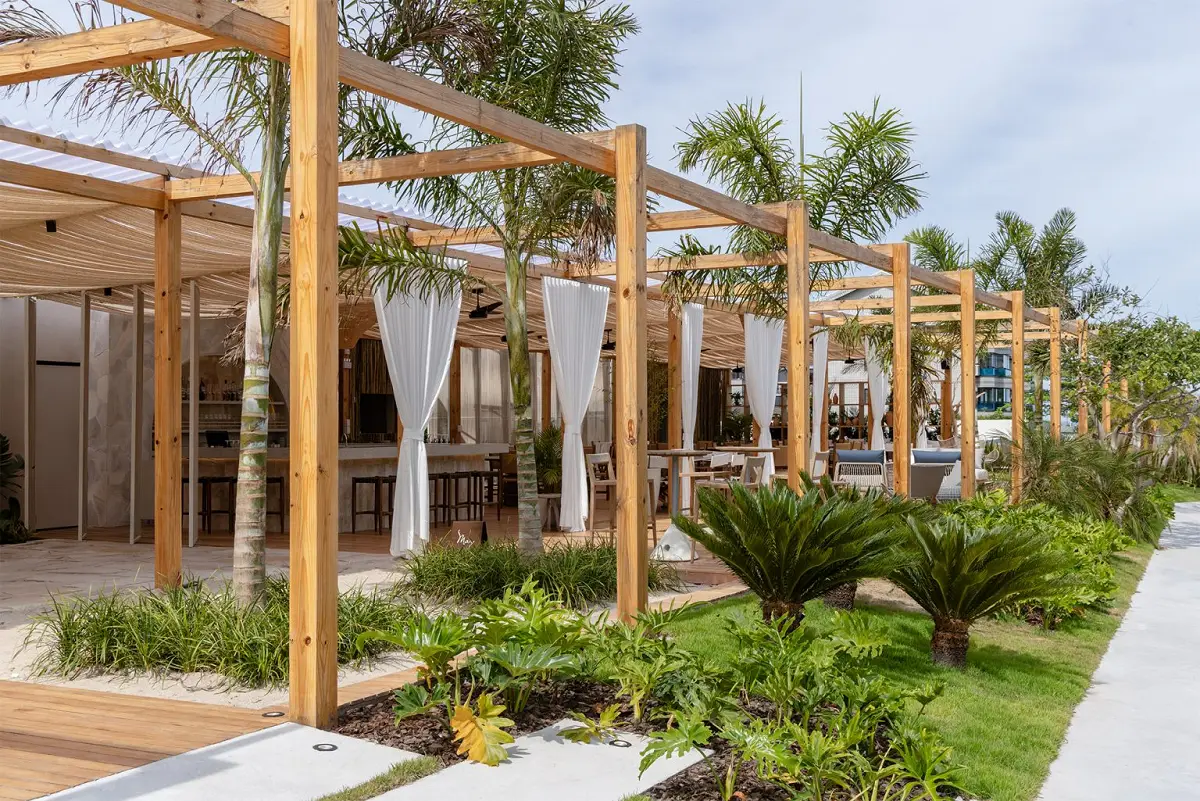
Sensory Architecture: Redefining the Coastal Brazil Restaurant Experience
Talk in the kitchens is getting louder about design pulling real weight on the plate—and this new sensory architecture coastal Brazil restaurant is right at the center of it. Operators aren’t just dressing up spaces anymore. They’re building rooms that work the guest before the first bite lands.
This project doesn’t chase looks. It works all five senses. Light shifts. Air moves. Walls feel alive. The Atlantic coast isn’t outside—it’s part of the room.
And that’s the play in 2026. Guests want more than food. They want a space that hits mood, memory, and appetite all at once.
The Philosophy of Sensory Architecture in Modern Design
The brief is simple: make the room feel natural. No rigid lines. No cold symmetry. The design follows the coastline, not a blueprint.
Guests don’t just walk in. They settle into it.
Engaging the Senses Beyond Sight
Looks are only part of it. This sensory architecture coastal Brazil restaurant pushes further. Sound is softened with natural fibers. Salt air is pulled through the space. Surfaces aren’t polished flat—they’re meant to be touched.
That shift is driving bookings. Diners are chasing places that cut the noise of daily life. Spaces that feel real.
Light as a Sculptural Element in Coastal Brazil
Light does the heavy lifting here. The building lets the sun in—but controls it. Open facades break the glare into moving shadows that change hour by hour.
The Dance of Shadow and Brise-Soleil
Heat is handled with brise-soleil—smart shading that cools without closing the space. But it also marks time. Shadows stretch. Shift. Reset.
At night, the tone flips. Warm lighting takes over. Soft. Low. Built to mirror sunset and hold the mood steady.
Texture and Materiality: The Earthy Palette
This sensory architecture coastal Brazil restaurant stays grounded with raw materials. Rammed earth. Local timber. Stone that looks like it came straight off the beach.
Sustainability and Raw Aesthetics
These materials aren’t just for show. They cool the space. Let it breathe. And they hit visually—rough walls against clean plating.
It’s a clear Brazil move. Keep it real. Let the material speak.
The Integration of Coastal Landscapes
Inside and outside don’t fight here. They blend. Openings pull in sea air. No heavy barriers. No hard stops.
Blurring the Line Between Nature and Structure
Guests move through terraces, courtyards, sand-lined paths. The shift from beach to table feels natural. Not staged.
The structure follows the land. Not the other way around. Different levels. Different views. Always the horizon in play.
Cuisine Meets Design: A Harmonious Pairing
The menu leans coastal—seafood, tropical produce, clean flavors. The sensory architecture coastal Brazil restaurant setup keeps the focus tight. Nothing distracts from the plate.
Designing for the Palate
Rooms like this change how people eat. Warm tones relax guests. Organic shapes ease the pace. People stay longer. Order more.
The open kitchen adds noise, heat, smell. Real signals. Pans hitting fire. Spices lifting into the room. It all feeds the experience.
The Future of Hospitality and Sensory Architecture
This isn’t a one-off. The sensory architecture coastal Brazil restaurant model is spreading. Operators see it working—and they’re moving fast.
Why Emotional Connection Matters in 2026
Screens are everywhere. Real spaces are rare. And valuable.
Guests will travel for a room that makes them feel something. That’s the edge now. Not just food—but how the space hits you.
Frequently Asked Questions (FAQ)
What are the main principles of sensory architecture?
It’s about all five senses—light, sound, texture, airflow, and scent—working together to shape how a space feels.
How does the coastal Brazil restaurant manage the tropical climate?
Through passive cooling—cross-ventilation, shading systems, and heat-absorbing materials that keep temperatures down.
Can sensory architecture be applied to residential projects?
Yes. The same ideas—natural light, texture, airflow—are now moving into home design.
Why is Brazil a hub for this type of architectural innovation?
Strong design history. Close ties to nature. And the climate pushes architects to think differently.
Conclusion
This sensory architecture coastal Brazil restaurant isn’t just a build. It’s a signal. The room now matters as much as the menu.
And the operators paying attention? They’re already adjusting the play.