Singapore’s New Restaurant Openings in 2026 Highlight Evolving Culinary Trends and Vibrant Food Culture
Singapore’s latest restaurant openings in 2026 showcase innovation, global influences, and evolving dining trends, reinforcing its position as a leading culinary destination.
 Prajakta Sanjay Warwadkar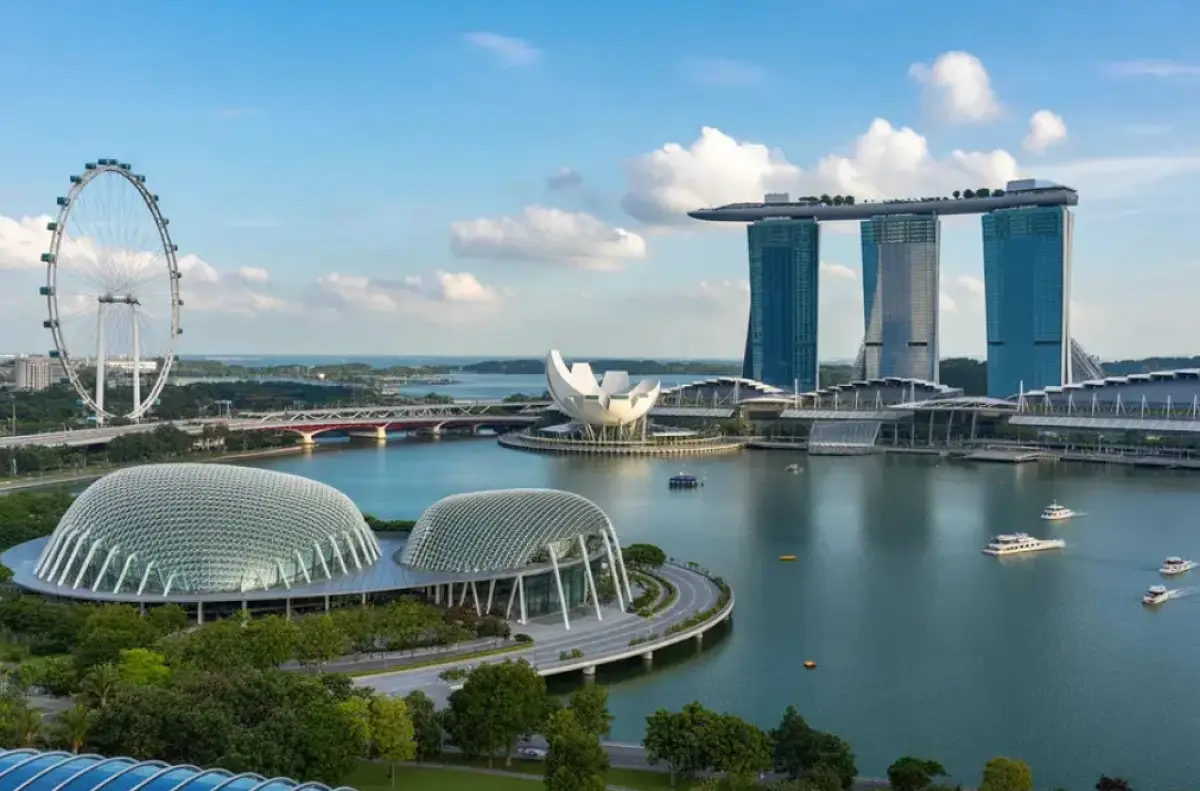
Singapore’s New Restaurant Openings in 2026 Highlight Evolving Culinary Trends and Vibrant Food Culture
Singapore’s dining scene continues to expand in 2026 with a wave of new restaurant openings that reflect innovation, global culinary influences, and changing consumer preferences, reinforcing the city-state’s reputation as a leading global food destination. The latest additions, launched across key dining districts, showcase diverse cuisines, modern concepts, and experiential dining formats aimed at both residents and international visitors.
The surge in new openings comes as Singapore’s hospitality sector rebounds strongly, driven by tourism recovery, increased consumer spending, and a growing appetite for unique dining experiences. Industry observers note that the city’s ability to adapt to global trends while maintaining its culinary identity has positioned it as a hub for gastronomic innovation.
Diverse Culinary Concepts Shape New Openings
The latest restaurants in Singapore span a wide range of cuisines, from contemporary Asian fusion to modern European and plant-based dining. Operators are focusing on creating distinctive concepts that go beyond traditional dining formats, incorporating storytelling, thematic interiors, and curated menus.
This diversity reflects Singapore’s multicultural identity and its openness to global influences. Chefs and restaurateurs are experimenting with flavors, techniques, and presentation styles, offering diners a broad spectrum of culinary experiences.
The emphasis on variety ensures that the city remains attractive to both local diners and international tourists seeking new and exciting food options.
Rise of Experiential Dining
Experiential dining has emerged as a key trend in Singapore’s restaurant landscape, with many new establishments focusing on immersive and interactive experiences. From chef’s table concepts to open kitchens and multi-sensory dining, restaurants are redefining how customers engage with food.
This approach caters to evolving consumer expectations, where dining is seen as an experience rather than just a meal. Visual presentation, ambiance, and service are becoming as important as the food itself.
Restaurants that successfully combine these elements are gaining a competitive edge in a crowded market.
Influence of Global Culinary Trends
Global food trends continue to shape Singapore’s dining scene, with new restaurants incorporating international flavors and techniques into their menus. Fusion cuisine, sustainable sourcing, and health-conscious offerings are becoming increasingly prominent.
Chefs are drawing inspiration from global culinary movements while adapting them to local tastes, creating unique interpretations that resonate with Singapore’s diverse population. This blend of global and local influences enhances the city’s appeal as a culinary destination.
The integration of international trends also reflects the interconnected nature of the modern food industry.
Focus on Sustainability and Innovation
Sustainability is becoming a central theme in many of Singapore’s new restaurant concepts. Operators are adopting eco-friendly practices such as reducing food waste, sourcing locally, and using sustainable packaging.
Innovation extends beyond the menu, with restaurants leveraging technology to enhance operations and customer experience. Digital ordering systems, smart kitchens, and data-driven insights are being integrated into business models.
These efforts align with broader industry goals of creating more sustainable and efficient dining environments.
Impact on Tourism and Economy
The growth of Singapore’s restaurant sector is closely linked to its tourism industry, with food playing a major role in attracting visitors. New openings contribute to the city’s reputation as a culinary hotspot, drawing food enthusiasts from around the world.
Restaurants are increasingly featured in travel itineraries, food festivals, and media coverage, boosting their visibility and economic impact. The sector also generates employment and supports related industries such as suppliers and logistics.
This synergy between dining and tourism strengthens Singapore’s overall economic performance.
Challenges in a Competitive Market
Despite the positive growth, the restaurant industry in Singapore faces challenges, including high operating costs, intense competition, and evolving consumer expectations. New entrants must differentiate themselves to succeed in a saturated market.
Rising rents and labor costs continue to pressure operators, requiring efficient management and innovative strategies. Maintaining consistency in quality and service is also critical in retaining customers.
Restaurants that can balance creativity with operational efficiency are more likely to thrive.
Consumer Preferences Driving Change
Changing consumer preferences are shaping the direction of Singapore’s dining scene. Diners are increasingly seeking value, authenticity, and memorable experiences. Health-conscious and environmentally aware choices are also influencing menu development.
Restaurants are responding by offering flexible dining options, including smaller portions, sharing plates, and customizable menus. The focus on personalization enhances customer satisfaction and loyalty.
Understanding these preferences is essential for long-term success in the industry.
Role of Social Media and Digital Platforms
Social media continues to play a significant role in promoting new restaurant openings in Singapore. Visually appealing dishes and unique interiors are designed to be shared online, amplifying reach and attracting customers.
Digital platforms enable restaurants to engage directly with their audience, gather feedback, and build brand identity. Influencer collaborations and online reviews further impact consumer decisions.
The integration of digital marketing strategies is now a standard practice in the hospitality sector.
Future Outlook for Singapore’s Dining Scene
Looking ahead, Singapore’s restaurant industry is expected to continue evolving, with innovation and adaptability driving growth. New concepts, technologies, and culinary approaches will shape the next phase of development.
Operators are likely to focus on creating differentiated experiences that align with global trends while maintaining local authenticity. Expansion into new formats, such as hybrid dining and delivery-focused models, may also gain traction.
The city’s ability to stay ahead of industry trends will determine its continued success as a global culinary leader.
Conclusion
The latest wave of restaurant openings in Singapore underscores the city’s dynamic and evolving food culture, as innovation, diversity, and global influences continue to redefine its position in the international hospitality landscape.