Soho Society Votes to Block All New Bar and Restaurant Licences
Soho Society votes to oppose all bar and restaurant licence applications in London. Mayor Sadiq Khan calls the move bad for London. Read the full story here.
 Prajakta Sanjay Warwadkar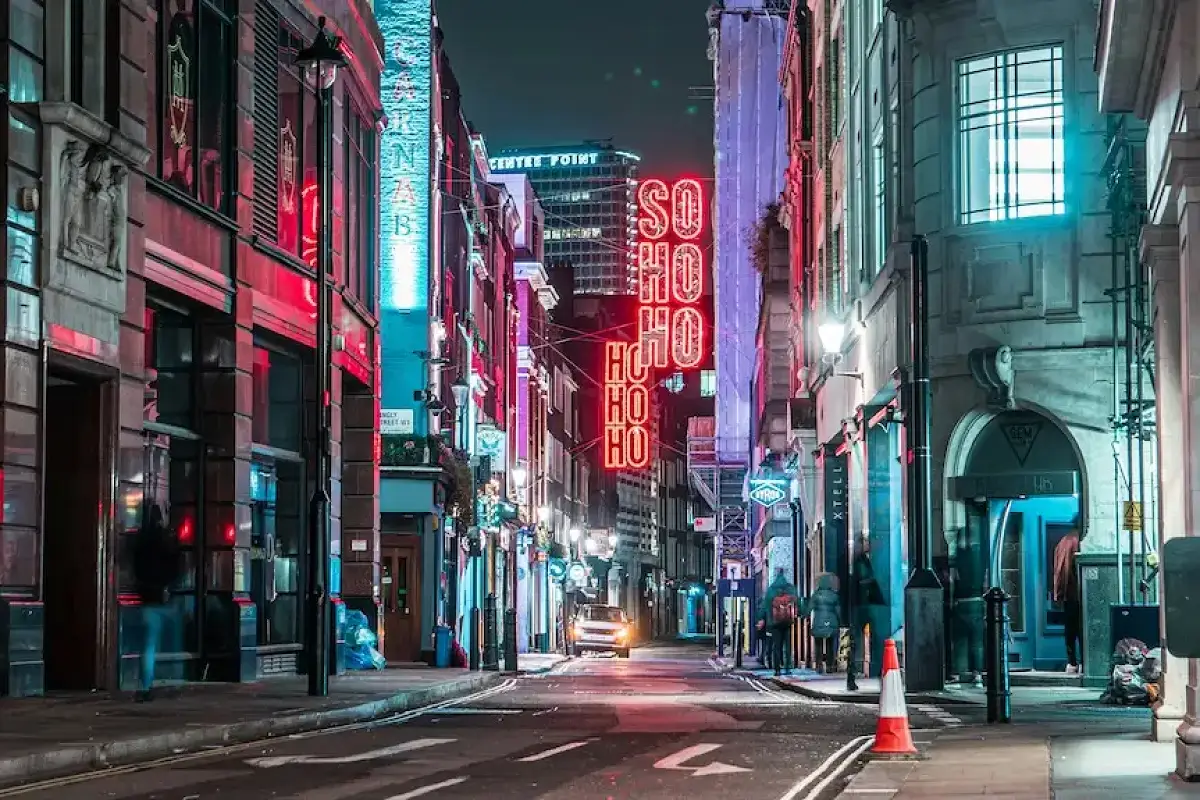
LONDON, June 8, 2026 — The Soho Society, a residents' group established in 1972, has voted to oppose all new and renewed bar and restaurant licence applications in Soho, alongside any applications from venues seeking to trade beyond Westminster City Council's 11 p.m. "core hours" threshold a move that has drawn sharp criticism from London Mayor Sadiq Khan and the city's hospitality sector.
The mandate passed at the organisation's Annual General Meeting on May 28, and the consequences for one of London's best-known entertainment districts could be significant. Soho's bars, restaurants and late-night venues now face the prospect of a coordinated objection to any licence application they bring before Westminster's licensing committee, regardless of individual circumstances.
Soho Society Licensing Vote Triggers Immediate Backlash From London Hospitality Sector
Business operators in the area moved quickly to condemn the policy. Rupert Power, owner of Sophie's Steakhouse and Jack Solomons Club on Great Windmill Street and chair of the Soho Business Alliance, warned that blanket opposition to new licences could damage Soho's standing as a global hospitality destination. Restaurant and bar owners have said the Soho Society's plans could destroy Soho's reputation on the international stage as London's primary entertainment district.
The concern is not only about new openings. The mandate covers renewals of existing licences, meaning established venues with operating track records face the same level of opposition as untested new applicants. For businesses that depend on late trading to remain commercially viable, that represents a material threat to continued operation.
Mayor Sadiq Khan Calls Soho Society Decision Bad for London
Mayor of London Sadiq Khan responded publicly within days of the vote, describing the policy as the wrong approach for the capital. In a statement posted on June 1, Khan said: "The Soho Society's decision to oppose all new and extended licence applications is the wrong one it's bad for London."
Khan pointed to new powers being granted to City Hall by central government, due to come into force later this year, which would allow him to overturn decisions made by local councils to block pubs and bars from opening. The Mayor's Draft London Strategic Licensing Policy 2026–31, currently in the consultation stage, sets out a framework that all 33 London boroughs would be required to follow when making licensing decisions a move aimed at reducing the inconsistency that currently makes it significantly easier to obtain a licence in some parts of the capital than others.
Khan stated: "Once in force, new licensing powers I've been granted by government, coupled with our bold new proposals to support London's hospitality and nightlife, will help us protect venues, extend London's late-night offer and allow the capital's nightlife to flourish."
Westminster Core Hours Policy Sits at the Centre of the Licensing Dispute
Westminster City Council's "core hours" policy sets 11 p.m. as the standard closing time for licensed premises in the borough, a threshold that affects a significant proportion of Soho's hospitality businesses. Many operators and visitors have argued that the policy makes it extremely difficult to obtain a drink or a meal in central London after 11 p.m.
The Soho Society's mandate extends that pressure point. By committing to object to any application seeking hours beyond the core hours threshold, the group effectively aligns itself with the most restrictive possible interpretation of Westminster's existing policy. Westminster City Council, for its part, has stated that all licence applications will continue to be assessed on their individual merits, regardless of objections received.
Soho Society Cites Noise, Crime and Litter as Justification for New Policy
The Soho Society has defended the mandate on quality-of-life grounds. A spokesperson for the society explained that it is a volunteer-run amenity organisation that comments on planning and licensing decisions locally, ensuring those comments reflect a broad range of community views through monthly meetings at which applications are reviewed for compliance with council policy.
The society claims the area has seen an intensification of nightlife and unacceptable noise, as well as an increase in crime and litter caused by a proliferation of late-night visitors. The group argues that growth in Soho's night-time economy has not been matched by corresponding investment in public infrastructure to manage its effects on residential streets.
Founded to preserve the character of Soho, the society holds consultative status on planning and licensing matters in Westminster. Its votes carry weight in the licensing process, even if they do not carry the force of a veto, because objections from recognised amenity societies are given formal consideration by licensing committees when determining applications.
London's Late-Night Economy Faces Broader Structural Pressure
The Soho licensing dispute arrives against a backdrop of documented decline in London's night-time hospitality sector. Venue closures, reduced footfall and the cumulative effect of post-pandemic trading conditions have left many operators in a weaker financial position than before 2020. For the sector, the Soho Society's mandate adds a layer of licensing risk at precisely the moment when stability is most needed.
Khan's intervention signals that City Hall intends to use its forthcoming licensing powers actively. The draft strategic policy, if adopted, would represent the most significant shift in London's approach to licensing in years — with direct implications for Soho and for the broader question of how the capital manages the tension between its residential communities and its identity as a global hospitality destination. For context on how licensing frameworks shape late-night hospitality across major cities, Hospitality Career Profile tracks restaurant and bar culture across the UK.
The Soho Society's official website outlines its mandate and upcoming meeting schedule for operators seeking to engage with the consultation process.
Read more: Restaurant Technology Trends Reshape Hospitality in 2026