St. Cloud Restaurant Week 2026 Aims to Boost Local Dining and Community Engagementa
St. Cloud Restaurant Week 2026 brings together local eateries to boost business, attract diners, and strengthen community engagement through special menus and promotions.
 Prajakta Sanjay Warwadkar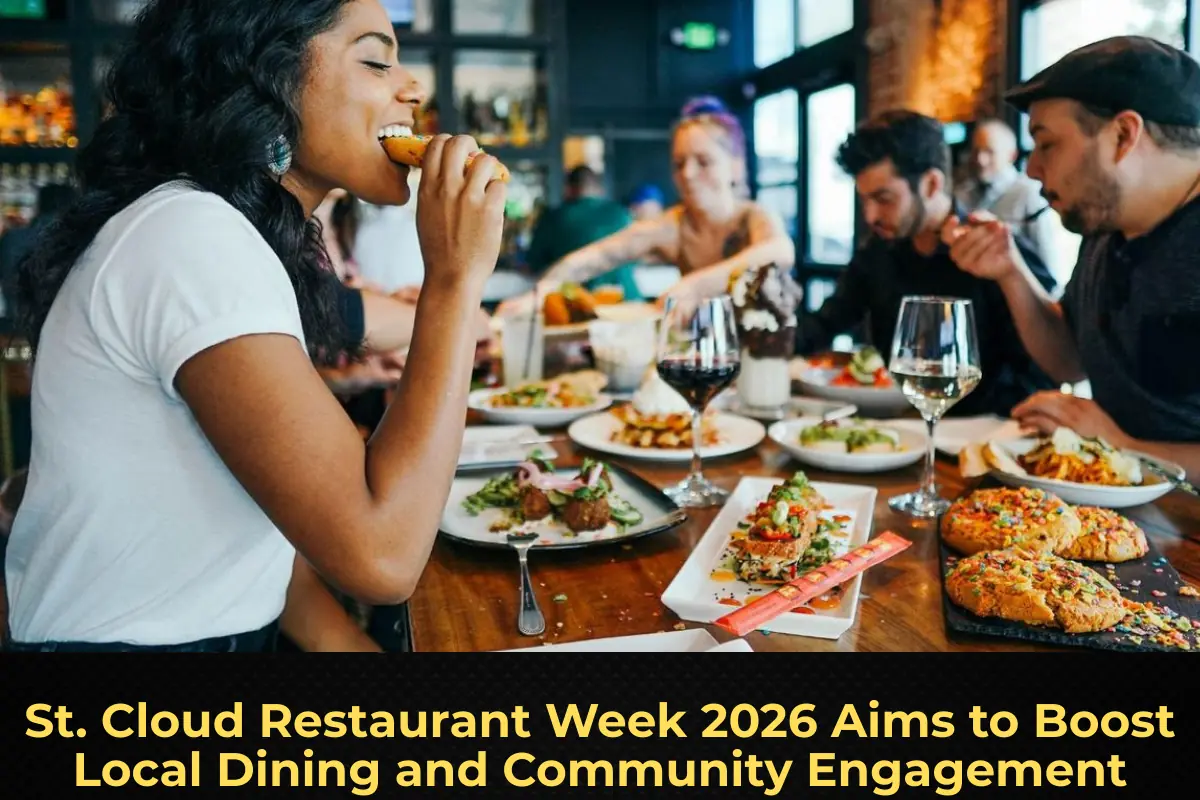
St. Cloud Restaurant Week 2026 Aims to Boost Local Dining
St. Cloud Restaurant Week 2026 is set to take place in St. Cloud, Minnesota, bringing together local restaurants, diners, and the broader community through a week-long culinary event designed to promote dining establishments, increase foot traffic, and support the regional hospitality industry. The initiative, scheduled for 2026, features participating restaurants offering special menus, discounts, and unique dining experiences to attract both residents and visitors.
The event is organized as part of ongoing efforts to strengthen local businesses and highlight the diversity of the city’s food scene. By encouraging diners to explore different venues, Restaurant Week aims to generate economic activity and reinforce the importance of supporting independent and regional operators.
Participating Restaurants Offer Special Menus
During the event, participating restaurants are expected to curate limited-time menus, prix fixe offerings, and promotional deals to entice customers. These menus often showcase signature dishes, seasonal ingredients, and chef specialties, giving diners an opportunity to experience a wide range of culinary styles at accessible price points.
The approach allows restaurants to highlight their strengths while attracting new customers who may not have previously visited. For diners, the event provides a cost-effective way to explore multiple establishments within a short period.
This model has become a popular marketing tool across various markets, helping restaurants drive traffic during specific promotional windows.
Supporting Local Hospitality Businesses
Restaurant Week initiatives are widely recognized as a means of supporting local hospitality businesses, particularly in competitive and evolving markets. In St. Cloud, the event plays a crucial role in increasing visibility for small and independent operators, many of whom rely on community support to sustain operations.
The influx of customers during the event can lead to increased revenue, brand awareness, and long-term customer retention. For many establishments, Restaurant Week serves as an opportunity to convert first-time visitors into repeat patrons.
Local authorities and business organizations often support such initiatives as part of broader economic development strategies.
Encouraging Community Engagement
Beyond its economic impact, St. Cloud Restaurant Week also focuses on fostering community engagement. The event encourages residents to come together, explore local neighborhoods, and support businesses that contribute to the city’s cultural and social fabric.
Dining experiences during the week often extend beyond food, creating opportunities for social interaction and shared experiences. This aligns with broader trends in the hospitality industry, where consumers increasingly value experiences that combine food, community, and entertainment.
The event also helps build a sense of pride in the local dining scene, reinforcing connections between businesses and customers.
Marketing and Promotional Strategies
Organizers of Restaurant Week typically leverage a mix of marketing channels, including social media, local advertising, and partnerships, to maximize visibility and participation. Digital platforms play a significant role in promoting participating venues, menus, and special offers.
Restaurants often use the event as a platform to showcase their brand identity, share behind-the-scenes content, and engage directly with customers. The increased online visibility can drive both immediate and long-term benefits for participating establishments.
Collaborative marketing efforts also help create a unified identity for the event, making it more recognizable and appealing to a broader audience.
Impact on Consumer Behavior
Events like Restaurant Week influence consumer behavior by encouraging diners to step outside their usual preferences and try new cuisines or venues. The availability of special deals reduces the perceived risk of exploring unfamiliar restaurants, leading to greater experimentation.
This shift can have lasting effects, as customers who discover new favorites during the event may continue to visit those establishments in the future. The experience-driven nature of the event also aligns with changing consumer expectations in the dining sector.
By creating a sense of urgency and exclusivity, Restaurant Week drives higher engagement and participation.
Challenges and Considerations for Restaurants
While Restaurant Week offers significant benefits, it also presents challenges for participating businesses. Increased demand can strain kitchen operations, staffing, and supply chains, requiring careful planning and execution.
Restaurants must balance offering attractive deals with maintaining profitability, as discounted pricing can impact margins. Ensuring consistent quality and service during high-volume periods is essential to maintaining customer satisfaction.
Operators often prepare in advance by optimizing menus, training staff, and streamlining processes to handle the surge in demand.
Role in the Broader Hospitality Industry
Restaurant Week events have become a staple in the global hospitality industry, serving as a model for local economic stimulation and industry promotion. Cities across the world have adopted similar initiatives, adapting them to local contexts and culinary identities.
In St. Cloud, the event reflects the growing importance of community-driven initiatives in supporting the restaurant sector. As the industry continues to evolve, such events provide valuable opportunities for engagement, innovation, and growth.
The success of Restaurant Week can also inspire future events and collaborations, further strengthening the local hospitality ecosystem.
Future Outlook for St. Cloud Restaurant Week
Looking ahead, St. Cloud Restaurant Week is expected to continue evolving, with potential expansions in participation, programming, and promotional activities. Organizers may explore additional features such as themed nights, culinary workshops, or partnerships with local producers to enhance the event’s appeal.
As consumer preferences shift toward experiential dining, the event is well-positioned to capitalize on these trends and attract a wider audience. Continued collaboration between stakeholders will be key to sustaining its success.
The event’s ability to adapt and innovate will determine its long-term impact on the local hospitality landscape.
Conclusion
St. Cloud Restaurant Week 2026 is set to play a significant role in promoting local dining, supporting businesses, and fostering community engagement, as the city continues to strengthen its position within the regional hospitality sector.