Table 2.0: How Ozempic-Era Dining Is Reshaping Restaurant Menus and Portions
Restaurants are adapting to changing dining habits driven by weight-loss drugs like Ozempic, rethinking portion sizes, menu design, and guest experiences in the developing “Table 2.0” era.
 Prajakta Sanjay Warwadkar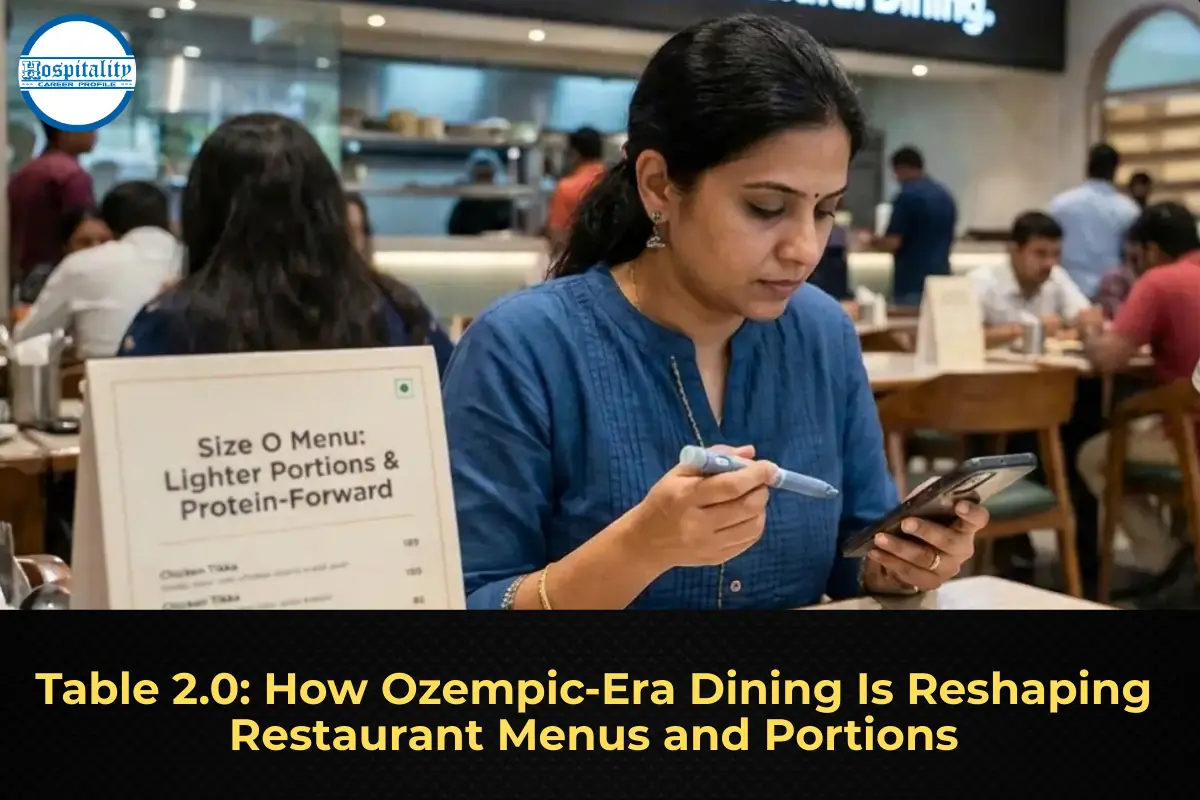
Table 2.0: The Rise of Portion-Conscious Dining
The global rise of weight-management medications such as Ozempic is beginning to reshape how people dine out, prompting restaurateurs to rethink portion sizes, menu composition, and overall guest experience. This shift, often referred to as “Table 2.0,” reflects a growing demand for lighter meals, customizable servings, and wellness-focused offerings.
Changing Guest Behaviour and Spending Patterns
Operators are observing that diners influenced by appetite-suppressing medications are ordering fewer courses, smaller plates, and sharing dishes more frequently. While the frequency of dining out may remain stable, the total spend per table is evolving, pushing restaurants to innovate in menu engineering and pricing strategies.
From Large Portions to Smart Plates
In response, many establishments are introducing half-portion options, tasting-style menus, and nutrient-conscious dishes that appeal to health-aware consumers. Smaller, premium plates not only cater to reduced appetites but also allow chefs to maintain perceived value through quality ingredients and refined presentation.
Menu Innovation in the Ozempic Era
Restaurants are rebalancing menus to highlight lean proteins, vegetable-forward dishes, and lighter preparations that align with wellness goals. Beverage programs are also shifting, with more emphasis on low-calorie cocktails, functional drinks, and alcohol-free pairings.
Rethinking Revenue Models
As diners gravitate toward fewer but more intentional orders, restaurateurs are exploring new revenue levers such as experiential dining, chef’s tasting menus, and curated small-plate formats. This approach ensures profitability while aligning with emerging consumption patterns.
The Future of “Table 2.0”
The influence of appetite-management trends signals a long-term evolution in dining culture. Restaurants that successfully balance indulgence with health-conscious flexibility are likely to thrive, creating experiences that feel satisfying without relying solely on large portions.
Ultimately, Table 2.0 represents not just a reaction to a pharmaceutical trend but a broader shift toward mindful dining, where quality, customization, and experience take precedence over quantity.