Table Placement Strategies Influence Customer Spending Patterns in Indian Restaurants
Table placement in Indian restaurants is shaping customer spending, influencing order size, dwell time, and overall dining behavior.
 Prajakta Sanjay Warwadkar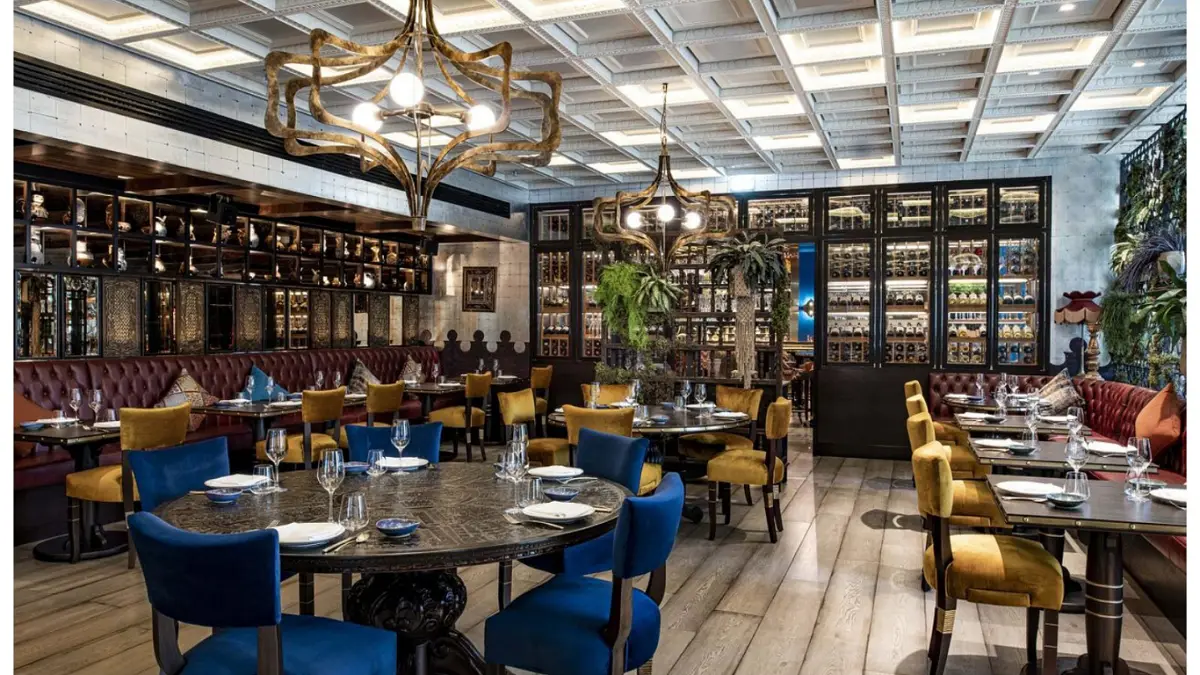
Restaurant layout design, particularly table placement, is emerging as a key factor influencing customer spending patterns across Indian dining establishments. Industry insights indicate that seating arrangements directly impact order value, dining duration, and overall guest behavior, prompting operators to rethink spatial strategies to optimize revenue.
As competition intensifies in India’s hospitality sector, restaurants are increasingly leveraging design psychology to enhance customer experience while driving higher ticket sizes. Strategic positioning of tables within dining spaces is now being used to influence how long guests stay, what they order, and how much they spend.
Impact of Table Location on Spending Behavior
Seating location within a restaurant plays a measurable role in determining customer spending. Tables placed in high-visibility areas, such as near entrances or central zones, often experience faster turnover, as customers in these spaces tend to dine more quickly. In contrast, quieter or more secluded seating areas encourage longer stays and higher order volumes.
Customers seated in comfortable or private sections are more likely to order additional items, including desserts and beverages, contributing to increased average spend per table. This behavior highlights the importance of aligning seating arrangements with revenue goals.
Restaurants are also observing that window-side seating or aesthetically appealing spots can drive higher engagement, particularly among customers who value ambiance and experience as part of their dining decision.
Role of Ambience and Spatial Design
Beyond physical placement, the surrounding environment of each table significantly influences customer choices. Lighting, noise levels, and proximity to service areas all contribute to the dining experience and, in turn, spending patterns.
Well-lit and visually appealing sections tend to attract customers who are willing to spend more on premium menu items. Conversely, areas near kitchens or high-traffic service zones may lead to shorter dining durations and lower overall spend due to reduced comfort.
Restaurants are increasingly integrating interior design with operational strategy, ensuring that high-value seating areas are positioned to maximize both customer satisfaction and revenue generation.
Operational Strategies and Revenue Optimization
Operators are using table placement as a tool to manage both customer flow and revenue performance. By segmenting seating areas based on expected dining duration and spending behavior, restaurants can balance quick-service turnover with longer, high-value dining experiences.
For example, front-of-house tables may be allocated to walk-in customers or short visits, while deeper sections of the restaurant are reserved for longer dining occasions or group bookings. This zoning approach allows for efficient utilization of space while maximizing profitability.
Additionally, staff training is being aligned with seating strategies, enabling service teams to adapt their approach based on table location and customer expectations. This coordination ensures a consistent experience across different sections of the restaurant.
Consumer Psychology and Dining Experience
The influence of table placement is closely tied to consumer psychology, where perceptions of privacy, comfort, and exclusivity affect spending decisions. Customers seated in premium or quieter areas often perceive greater value in their dining experience, leading to increased willingness to spend.
This psychological aspect is particularly relevant in urban markets, where dining is increasingly viewed as an experiential activity rather than a purely functional one. Restaurants that successfully integrate these elements into their layout design are better positioned to attract and retain high-value customers.
The trend also aligns with broader shifts in consumer behavior, where ambiance and experience play a critical role in dining choices.
Industry Adoption and Design Trends
The use of table placement as a revenue strategy is gaining traction across various segments of the Indian restaurant industry, from casual dining outlets to premium establishments. Operators are investing in layout planning during both new openings and renovations to optimize spatial efficiency and customer engagement.
Design consultants and hospitality experts are increasingly emphasizing the role of data and behavioral insights in shaping restaurant layouts. By analyzing customer movement and spending patterns, restaurants can make informed decisions about seating arrangements and space allocation.
This approach reflects a broader industry trend toward data-driven operations, where even design elements are evaluated based on their impact on business performance.
Conclusion
Table placement is becoming a critical component of restaurant strategy in India, influencing not only customer experience but also revenue outcomes. As operators continue to refine their approach to layout design, the integration of spatial planning and consumer behavior insights is expected to play a larger role in shaping the future of dining environments.