The Real Greek Restaurant Administration Crisis Sparks Industry-Wide Concerns
The Real Greek restaurant administration crisis raises serious concerns about financial stability, staff impact, and the future of the UK dining sector.
 Prajakta Sanjay Warwadkar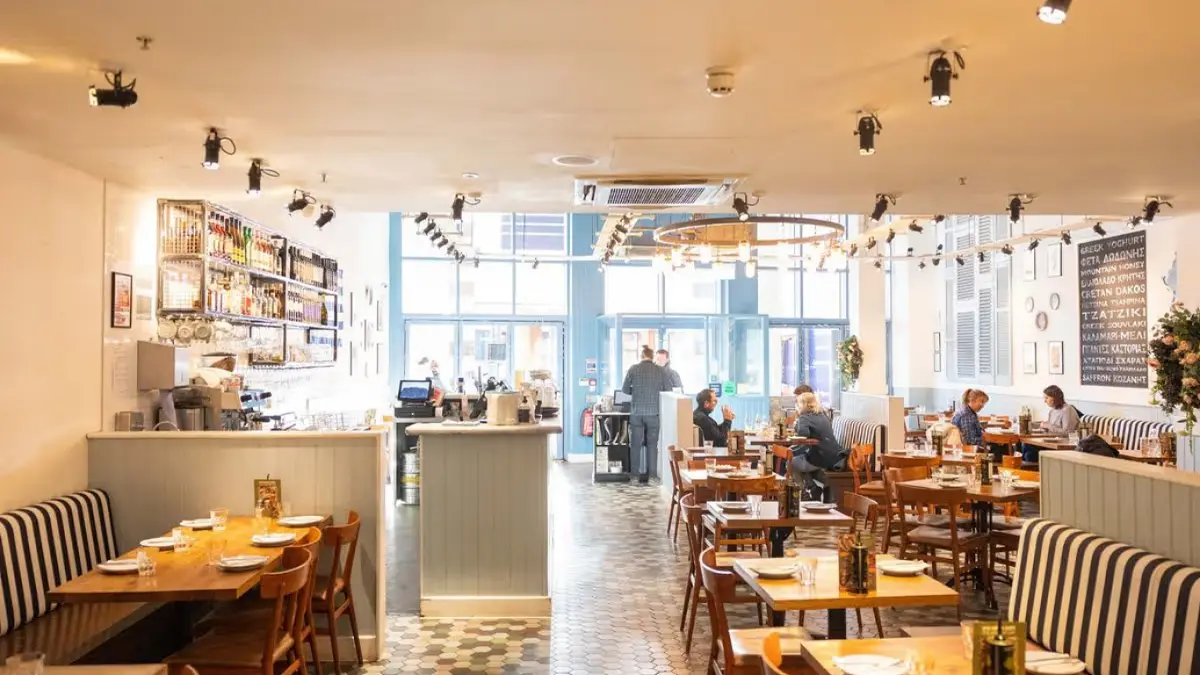
The Real Greek Restaurant Administration Crisis Sparks Industry-Wide Concerns
The Real Greek restaurant administration has sent shockwaves through the UK hospitality sector, raising questions about financial sustainability, workforce stability, and the long-term resilience of casual dining chains. As one of the more recognizable Mediterranean-inspired brands in the UK, the company’s recent struggles highlight deeper issues affecting the broader restaurant industry.
In the past few years, rising operational costs, shifting consumer behavior, and economic uncertainty have created a challenging environment for restaurant operators. The Real Greek restaurant administration is not an isolated case but part of a growing pattern impacting several mid-sized chains.
The Real Greek Restaurant Administration: What Happened?
Financial pressures and mounting losses
The Real Greek restaurant administration stems largely from mounting financial pressures that gradually eroded the company’s ability to operate profitably. Increasing rent, higher energy bills, and elevated food costs placed a significant burden on the business.
Additionally, inflation has played a major role. Suppliers raised prices, while customers became more cautious with spending. This combination created a gap between operating costs and revenue, pushing the brand into a difficult position.
Changing consumer dining habits
Consumer behavior has also shifted dramatically. Diners are now more selective, often choosing value-driven options or reducing the frequency of eating out. This shift has affected mid-tier dining brands the most, including those like The Real Greek.
While premium dining and fast food segments continue to perform relatively well, casual dining chains face the challenge of justifying their price points to increasingly budget-conscious customers.
Impact of The Real Greek Restaurant Administration on Employees
Job uncertainty and workforce concerns
The Real Greek restaurant administration has directly impacted hundreds of employees, many of whom now face uncertainty regarding their jobs. For staff across locations, the situation has created anxiety around job security and future employment.
In the hospitality sector, where employment is often dependent on business stability, such developments can have ripple effects. Workers may need to seek new opportunities in an already competitive job market.
Support measures and restructuring efforts
Administrators are typically tasked with assessing whether parts of the business can be saved. In some cases, restaurants may continue operating under new ownership or after restructuring.
Efforts are often made to protect as many jobs as possible. However, outcomes depend on investor interest and the financial viability of individual locations.
The Real Greek Restaurant Administration and the UK Dining Sector
A reflection of broader industry challenges
The Real Greek restaurant administration reflects wider challenges in the UK dining sector. Many restaurant operators are grappling with similar issues, including rising wages, increased taxation, and reduced consumer spending.
According to industry insights, several chains have either downsized or entered administration over the past year. This trend highlights the fragile nature of the hospitality industry in the current economic climate.
Pressure on mid-market restaurant brands
Mid-market brands are particularly vulnerable. Positioned between budget-friendly and premium dining options, they often struggle to maintain a clear value proposition.
Customers seeking affordability may opt for fast food or delivery services, while those willing to spend more may choose high-end dining experiences. This leaves mid-tier restaurants navigating a shrinking customer base.
Economic Factors Behind The Real Greek Restaurant Administration
Inflation and cost-of-living crisis
The cost-of-living crisis has significantly influenced dining habits. As household expenses increase, discretionary spending on eating out tends to decline.
This economic pressure directly impacts restaurant revenues. Even loyal customers may reduce visits or spend less per visit, affecting overall profitability.
Rising operational expenses
Restaurants have seen sharp increases in operating costs. Energy bills, ingredient prices, and staff wages have all risen substantially.
For chains like The Real Greek, maintaining consistent quality while managing costs becomes increasingly difficult. Passing these costs to customers risks reducing footfall, creating a delicate balance.
Future Outlook After The Real Greek Restaurant Administration
Potential for restructuring and revival
The Real Greek restaurant administration does not necessarily mean the end of the brand. In many cases, administration can provide an opportunity for restructuring.
Investors or buyers may step in to revive parts of the business. This could involve closing underperforming locations while focusing on profitable outlets.
Lessons for the hospitality industry
The situation serves as a learning moment for other restaurant operators. Businesses may need to rethink pricing strategies, streamline operations, and adapt to evolving consumer preferences.
Digital transformation, including online ordering and delivery partnerships, is becoming increasingly important for survival in the modern dining landscape.
The Real Greek Restaurant Administration in a Global Context
Comparisons with international trends
The challenges faced by The Real Greek are not unique to the UK. Globally, restaurant chains are dealing with similar pressures, including inflation and labor shortages.
Many international brands are also restructuring operations or shifting to more flexible business models. This includes smaller footprints, delivery-focused kitchens, and hybrid dining experiences.
Understanding restaurant administration
Restaurant administration is a legal process where external administrators take control of a financially troubled company. Their goal is to maximize returns for creditors while exploring options to save the business.
To understand more about how administration works, readers can refer to this overview of administration law, which explains the process in detail.
Industry Recovery and Growth Opportunities
Adapting to new consumer expectations
Despite the challenges, the hospitality industry continues to evolve. Restaurants that adapt quickly to changing consumer preferences have a better chance of surviving and thriving.
Flexible menus, competitive pricing, and enhanced customer experiences are key strategies for recovery.
Long-term growth prospects
While The Real Greek restaurant administration highlights current difficulties, the long-term outlook for the restaurant industry remains cautiously optimistic.
According to industry projections, growth is expected as economic conditions stabilize. For a deeper look at future trends, explore restaurant industry growth insights for 2026.
FAQ: The Real Greek Restaurant Administration
What does The Real Greek restaurant administration mean?
It means the company has entered a legal process where administrators manage its operations due to financial difficulties, aiming to restructure or sell the business.
Will The Real Greek restaurants close permanently?
Not necessarily. Some locations may close, but others could continue operating under new ownership or after restructuring.
How does this affect employees?
Employees may face uncertainty, but efforts are usually made to retain jobs where possible during restructuring.
Is this a sign of wider industry problems?
Yes, it reflects broader challenges in the hospitality sector, including rising costs and changing consumer behavior.
Conclusion: What The Real Greek Restaurant Administration Means for the Future
The Real Greek restaurant administration serves as a stark reminder of the challenges facing the hospitality industry today. While the brand’s future remains uncertain, the situation underscores the importance of adaptability and resilience.
As restaurants navigate economic pressures and evolving consumer expectations, those that innovate and respond effectively are more likely to succeed. The Real Greek restaurant administration may be a setback, but it also offers valuable lessons for the entire industry moving forward.