Top Restaurants Across Delhi, Mumbai, Bengaluru Highlighted by Vir Sanghvi
Vir Sanghvi highlights top restaurants across Delhi, Mumbai and Bengaluru, with Nisaba emerging as a standout addition to India’s leading dining destinations.
 Prajakta Sanjay Warwadkar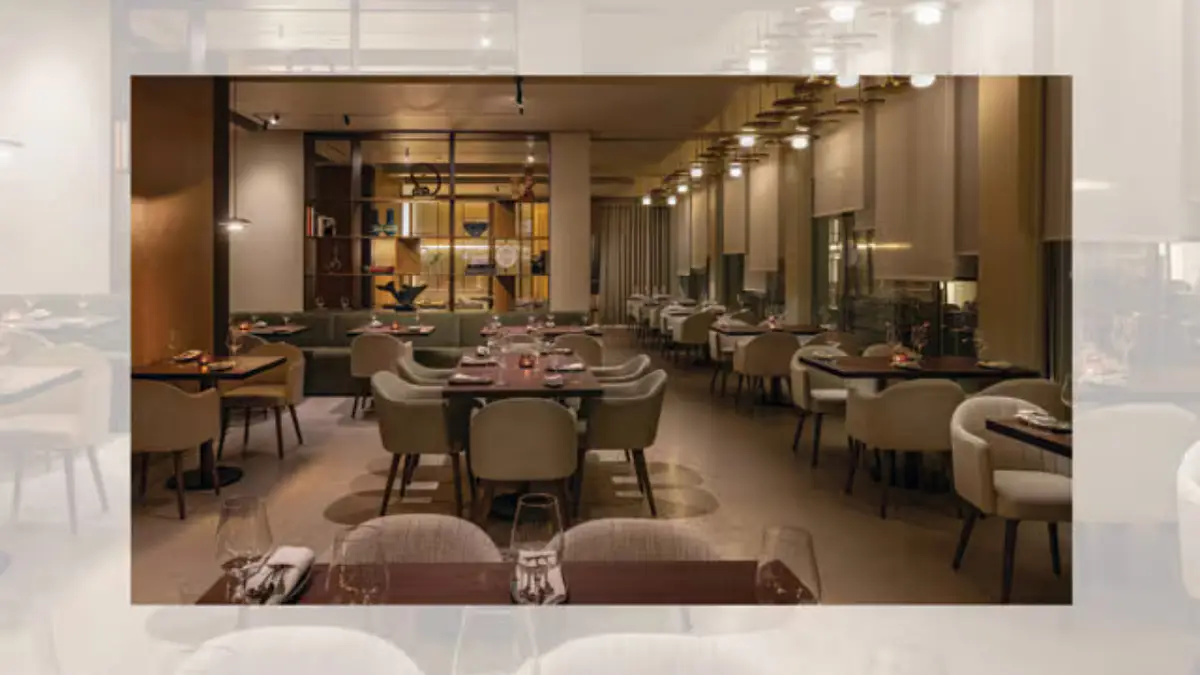
Food columnist Vir Sanghvi has identified leading restaurants across Delhi, Mumbai and Bengaluru, highlighting evolving dining standards in India’s major metros, with Nisaba in Delhi emerging as a key addition to his list following a recent revisit to the restaurant.
The updated recommendations reflect a shift in India’s premium dining landscape, where consistency, culinary refinement and strong chef-led concepts are shaping customer preferences. Sanghvi’s reassessment follows a return visit to Nisaba, a restaurant led by chef Manish Mehrotra, which he had previously anticipated would gain prominence in Delhi’s competitive dining market.
Nisaba Gains Recognition After Post-Opening Review
Nisaba, which opened to the public after an initial preview phase, has quickly established itself as one of Delhi’s most sought-after dining destinations. According to Sanghvi, the restaurant has seen notable improvements in food quality since its early previews, reinforcing its position in the city’s top-tier restaurant segment.
The restaurant’s rapid rise has also been reflected in reservation demand, with the outlet becoming one of the most difficult bookings in the city within a short period of opening. This trend aligns with broader patterns in Delhi’s dining ecosystem, where chef-driven restaurants with strong brand recognition are attracting high consumer interest.
Sanghvi’s inclusion of Nisaba in his list marks an expansion of his previously limited set of recommended restaurants in the capital, indicating a change in the benchmark for top dining establishments.
Expansion of Curated Restaurant Recommendations
Prior to adding Nisaba, Sanghvi maintained a select group of four restaurants in Delhi that he consistently recommended. The inclusion of a fifth establishment reflects both the growth of the city’s dining sector and the emergence of new concepts capable of meeting high standards of quality and consistency.
The revised list has generated significant interest among diners, particularly following Sanghvi’s social media activity, where he shared images and impressions from his visit. This led to increased public queries regarding the full list of recommended restaurants, highlighting the influence of curated dining recommendations in shaping consumer choices.
Such lists play a role in directing footfall toward specific establishments, particularly in urban markets where diners rely on expert opinions to navigate an expanding range of options.
Metro Cities Continue to Lead Dining Innovation
The focus on Delhi, Mumbai and Bengaluru underscores the dominance of these cities in India’s organised dining sector. Each market continues to develop distinct culinary identities, supported by a mix of established brands and new entrants offering diverse cuisines.
In Delhi, the emphasis remains on high-end, chef-led restaurants that combine Indian and global influences. Mumbai’s dining landscape continues to balance premium concepts with casual formats, while Bengaluru is increasingly recognised for its experimental approach and growing number of specialised eateries.
Sanghvi’s broader commentary points to the presence of standout establishments across these cities, ranging from noodle bars and Peking duck-focused menus to regional Indian cuisines such as Awadhi and Mangalorean, as well as Italian dining concepts. This diversity reflects the maturity of India’s urban foodservice market, where consumers are seeking both authenticity and innovation.
Rising Standards in Chef-Driven Dining Concepts
The recognition of Nisaba and other leading restaurants highlights the importance of chef-led concepts in driving differentiation within the industry. Restaurants backed by well-known chefs are increasingly able to establish credibility quickly, particularly when supported by strong execution and consistent quality.
In this context, improvements observed at Nisaba since its preview phase demonstrate the role of iterative development in achieving operational stability and customer satisfaction. Such adjustments are common in newly opened restaurants, where feedback and operational learnings contribute to refining the final offering.
The ability to maintain and improve standards post-launch is becoming a critical factor in sustaining long-term success, especially in markets where competition is intensifying.
Consumer Demand Drives Competitive Dining Landscape
The response to Sanghvi’s updated recommendations indicates sustained consumer interest in curated dining experiences. As diners increasingly seek guidance in selecting restaurants, expert-led lists and reviews continue to influence market visibility and brand positioning.
The competitive environment across Delhi, Mumbai and Bengaluru is further shaped by rising expectations around food quality, service, and overall experience. Restaurants that meet these criteria are more likely to achieve strong demand, as seen in the case of Nisaba’s rapid ascent.
With urban dining markets continuing to expand, the emergence of new high-performing restaurants is expected to challenge existing benchmarks, contributing to an increasingly dynamic and competitive foodservice sector in India.