Two Women Building New-Age Food Spaces in Delhi for Authentic Global Dining
Discover how two women building new-age food spaces in Delhi are redefining the capital's culinary culture with artisanal handmade pasta and authentic Japanese ramen.
 Prajakta Sanjay Warwadkar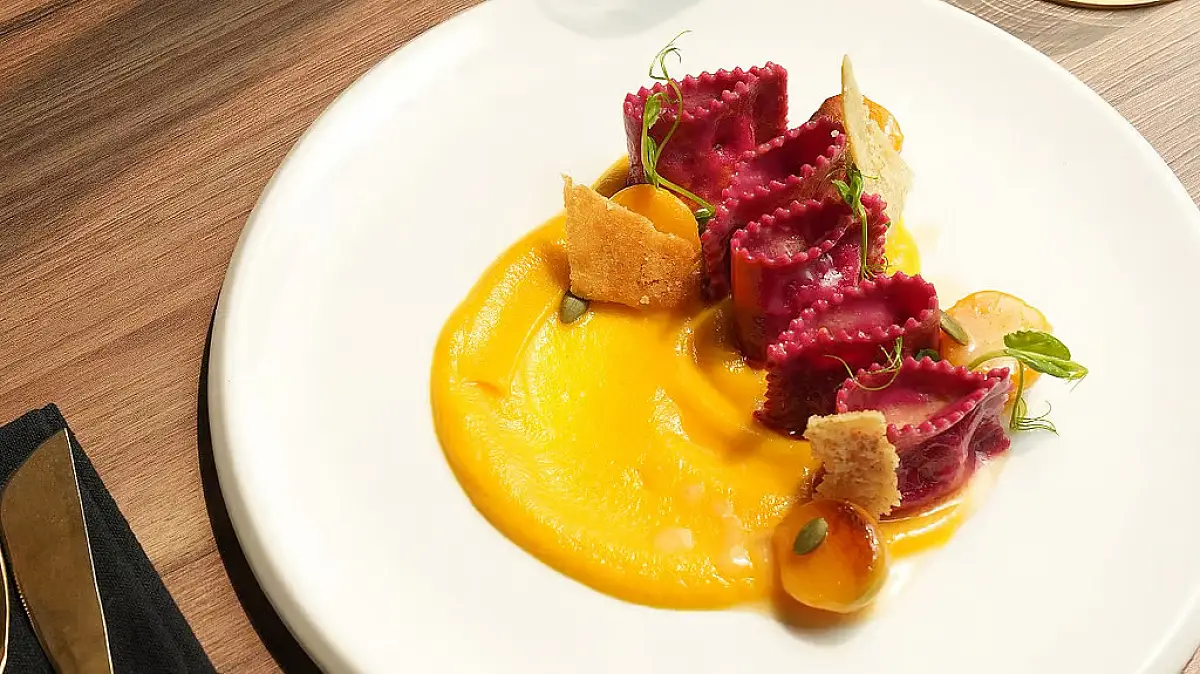
From Tonkotsu to Tortellini: Two Women Building New-Age Food Spaces in Delhi
Talk in the kitchens is getting louder, Delhi’s dining crowd is done with bloated menus and playing it safe. What’s cutting through the noise right now are two women building new-age food spaces in Delhi, pushing tight menus, sharper ideas, and serious craft.
Forget the old butter chicken loop. These kitchens are smaller, louder in intent, and brutally focused. And the play is simple: do one thing right, and do it every single service.
This shift lines up with restaurant industry growth 2026 data, where chef-led, niche formats are pulling repeat customers, not just Instagram traffic.
At the center of it: Chef Navika Kapoor and Chef Sambhavi Joshi. Two operators. Two tight formats. And a clear message, Delhi diners are ready to go deeper on the plate.
Navika Kapoor and the Rise of Authentic Ramen Culture
Down a narrow Shahpur Jat lane, a 14-seater is pulling queues. Zuru Zuru isn’t chasing scale. It’s chasing precision. And that’s where Chef Navika Kapoor, one of the two women building new-age food spaces in Delhi, is making her mark.
Ten years ago, a slow-cooked Japanese broth in Delhi? Tough sell.
Now? People wait.
Crafting Comfort in Shahpur Jat
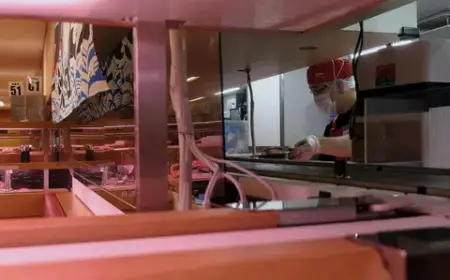
The room is tight. That’s the point. You hear the broth simmer. You see the bowls move. No distance between kitchen and guest.
Kapoor and Chef Hitein Puri run it like a controlled line. Noodles, broth clarity, seasoning, nothing slips.
And the food leads. Always.
Balancing Traditional Broths with Local Innovations
The tonkotsu is heavy, slow, and built over hours. The shio chintan is clean and sharp. Mazemen adds texture. There’s even a vegan oat milk version that holds its own.
And then there’s the curveball.
Litchi ramen.
Sounds risky. Lands well. Sweet, savory, balanced. That’s the edge when two women building new-age food spaces in Delhi decide to push boundaries without losing control.
Sambhavi Joshi and the Art of Hand-Rolled Pasta
Across town in Hauz Khas, Chef Sambhavi Joshi is running a very different line. At Casa Pasta Bar, the brief is clear—fix Delhi’s pasta problem.
Because for years, it’s been overcooked and drowned in sugar-heavy sauces.
Joshi isn’t entertaining that.
A Pandemic Pivot to Culinary Independence
She had a slot lined up at a three-Michelin-starred restaurant in Paris in 2020. Then the world shut down.
Plans changed. The kitchen didn’t.
Instead of waiting, she built her own space, filling a clear gap in Delhi’s mid-market dining.
That instinct defines why these two women building new-age food spaces in Delhi are gaining ground. They don’t wait for perfect conditions.
Educating the Delhi Palate on Al Dente Textures
Fresh pasta needs context. And Joshi doesn’t skip that part.
She explains texture. Flour. Why al dente matters.
The menu backs it up, gigli, ziti, pappardelle, tortellini. Each paired right. No shortcuts.
It’s not just food. It’s training the diner.
The Evolution of Consumer Preferences in the Capital
The success of these kitchens isn’t random. Delhi diners have changed.
They travel. They watch. They know what the real thing tastes like.
And they’re asking for it.
Moving Beyond the Instagram Aesthetic
Yes, both spots trend online.
But that doesn’t hold a business.
Consistency does. Repeat guests do.
That’s where two women building new-age food spaces in Delhi are playing the long game, tight control, no over-expansion, no shortcuts.
The Importance of Cultural Context in Modern Dining
There’s context on the table now.
Slurping ramen isn’t rude, it’s part of it. Pasta shapes aren’t random, they carry regional logic.
This is where gastronomy meets everyday dining. And guests are leaning in.
Operational Challenges in Chef-Led Food Spaces
Running a tight kitchen in Delhi isn’t easy. Costs swing. Supply chains break. Licenses drag.
But small formats move faster.
And that’s the advantage these two women building new-age food spaces in Delhi hold.
Sourcing Premium and Specialized Raw Materials
Good ramen needs the right bones, the right kombu. Good pasta needs the right flour.
There’s no local workaround for that.
So they build supplier networks. Direct. Controlled. Expensive, but necessary.
Managing Small Team Dynamics and Talent Retention
Small teams mean no hiding.
Every plate counts.
Both chefs invest in training. Not basic prep, but specialized techniques most kitchens don’t teach.
That keeps teams tight. And standards tighter.
Future Trajectories for Independent Delhi Gastronomy
The ripple effect is already visible.
More chefs are stepping away from hotel pipelines. More are building small, focused formats.
And diners are following.
Inspiring a New Wave of Micro-Restaurants
You don’t need 100 covers anymore.
You need clarity.
That’s the blueprint these two women building new-age food spaces in Delhi have set, low seats, high control, strong identity.
Redefining Hospitality Leadership Norms
The leadership shift is real.
More women are stepping into high-pressure kitchens, and owning them.
Kapoor and Joshi aren’t just running restaurants. They’re resetting expectations.
One bowl. One plate at a time.