UK Hospitality Tax Crisis: Michelin Chef Expands Abroad to Survive Economic Strain
Facing the UK hospitality tax crisis, a prominent Michelin chef is moving operations abroad. Learn how rising business costs are threatening the future of British dining.
 Prajakta Sanjay Warwadkar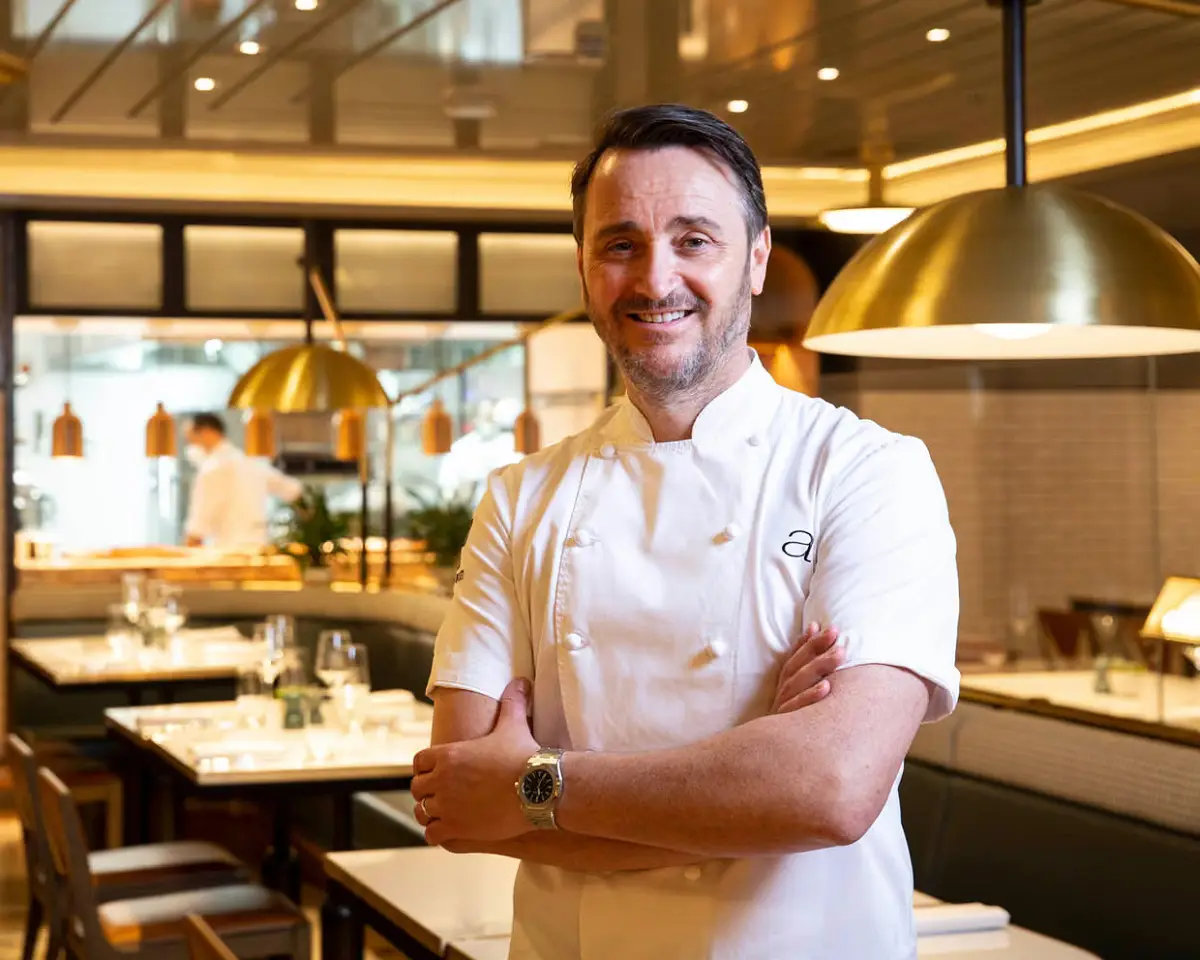
UK Hospitality Tax Crisis: Why Michelin-Starred Chefs are Looking Beyond British Borders
Talk in the kitchens is getting louder—and it’s not about the next menu change. It’s about survival. The UK hospitality tax crisis is now pushing even Michelin-starred operators to rethink staying in Britain.
Margins are gone. VAT sits high. Business rates bite hard. Labor costs keep climbing. For many chefs at the top, the numbers no longer work.
One Michelin-starred name recently made it official—new openings will land overseas, not in the UK. Not expansion for glory. A move to stay afloat under the UK hospitality tax crisis.
And the signal is clear. If top-tier kitchens can’t hold ground, smaller operators are already on borrowed time.
The Mechanics of the UK Hospitality Tax Crisis
The pressure isn’t coming from one side. It’s stacked. VAT, rent-linked business rates, energy bills, and import costs all hit at once.
Operators have been asking for relief for years. It hasn’t landed. Meanwhile, costs keep stacking up under the UK hospitality tax crisis.
The Impact of Business Rates and VAT
High-street restaurants pay for visibility—and get taxed heavily for it. Business rates remain one of the biggest drains on cash.
Add 20% VAT, and many kitchens are left covering tax before they even think about profit.
It’s choking restaurant industry growth in 2026. Instead of building menus or hiring staff, operators are cutting back just to stay open.
Why Michelin-Starred Talent is Fleeing Abroad
Fine dining has always run on tight margins. High-end ingredients. Skilled labor. Precision on every plate.
Now add tax pressure—and the model cracks.
The UK hospitality tax crisis is pushing Michelin-level talent to look elsewhere.
The Allure of International Markets
Dubai. Singapore. Parts of Europe. These markets offer lower tax pressure or direct incentives for high-end restaurants.
That means chefs can keep standards high—and still make money.
Every move abroad drains talent from the UK. It also chips away at the country’s standing as a global food destination.
The Human Cost: Labor and Employment Challenges
This isn’t just about chefs. It hits staff across the floor and kitchen.
The UK hospitality tax crisis is squeezing payroll decisions hard.
Rising Minimum Wage and National Insurance
Wages are rising. That’s needed. But without tax relief, operators can’t absorb the cost.
So they cut hours. Or reduce teams. Or shut doors earlier.
The result? Burnout. Staff turnover. And fewer stable jobs in an industry that once offered a clear path up.
Look at taxation in the United Kingdom and the gap becomes obvious. Many European markets run reduced VAT for hospitality. The UK doesn’t.
The Survival of the High Street
This crisis isn’t limited to fine dining. It’s hitting every level.
The UK hospitality tax crisis is emptying high streets—one closure at a time.
From Fine Dining to Casual Eateries
Independent Italian spots. Local pubs. Small bistros.
They don’t have the option to open in Dubai.
When they close, they’re gone. No second act.
And with them goes foot traffic, local jobs, and community spaces.
Proposed Solutions and the Path to Recovery
Operators aren’t just complaining. They’re putting forward fixes.
The UK hospitality tax crisis has clear pressure points—and possible solutions.
Reform of the Business Rates System
Top of the list: cut VAT for hospitality. Bring it closer to EU levels.
Next: rethink business rates. Shift from property value to turnover.
Simple idea—tax based on what a restaurant earns, not where it sits.
Without changes, closures will continue. With them, investment could return fast.
The Future of British Dining in 2026
Right now, operators are patching holes. Retail lines. Events. Side income.
But these are short-term fixes.
The UK hospitality tax crisis is still the main story shaping 2026.
The Risk of a Homogenized Food Scene
If the pressure stays, only big chains survive.
And that changes the plate completely.
Fewer independents. Less creativity. More uniform menus across cities.
The chefs who drove innovation? Many will be running kitchens overseas.
Frequently Asked Questions (FAQ)
What exactly is the UK hospitality tax crisis?
The UK hospitality tax crisis refers to high VAT, business rates, and rising labor costs making it difficult for restaurants to stay profitable, leading to closures and overseas expansion.
Why are Michelin chefs opening restaurants in other countries?
International markets offer lower taxes and better margins, allowing chefs to maintain quality without financial strain.
How does the tax crisis affect the average diner?
Expect higher prices, shorter hours, and fewer independent restaurants as the UK hospitality tax crisis continues.
Can the UK hospitality industry recover?
Yes—but only with tax reform, including VAT reduction and business rates restructuring.
Conclusion
The warning signs are already on the pass.
The UK hospitality tax crisis isn’t theory—it’s forcing real decisions. Chefs are leaving. Restaurants are closing. High streets are thinning out.
British dining still has talent. It still has demand.
But without policy change, the industry won’t hold.
Fix the tax pressure—or watch the lights go out, one kitchen at a time.