Waco Thai Restaurant Serves Homeless Community on Good Friday in Act of Local Support
A Thai restaurant in Waco provided meals to the homeless community on Good Friday, highlighting local efforts to support vulnerable groups in 2026.
 Prajakta Sanjay Warwadkar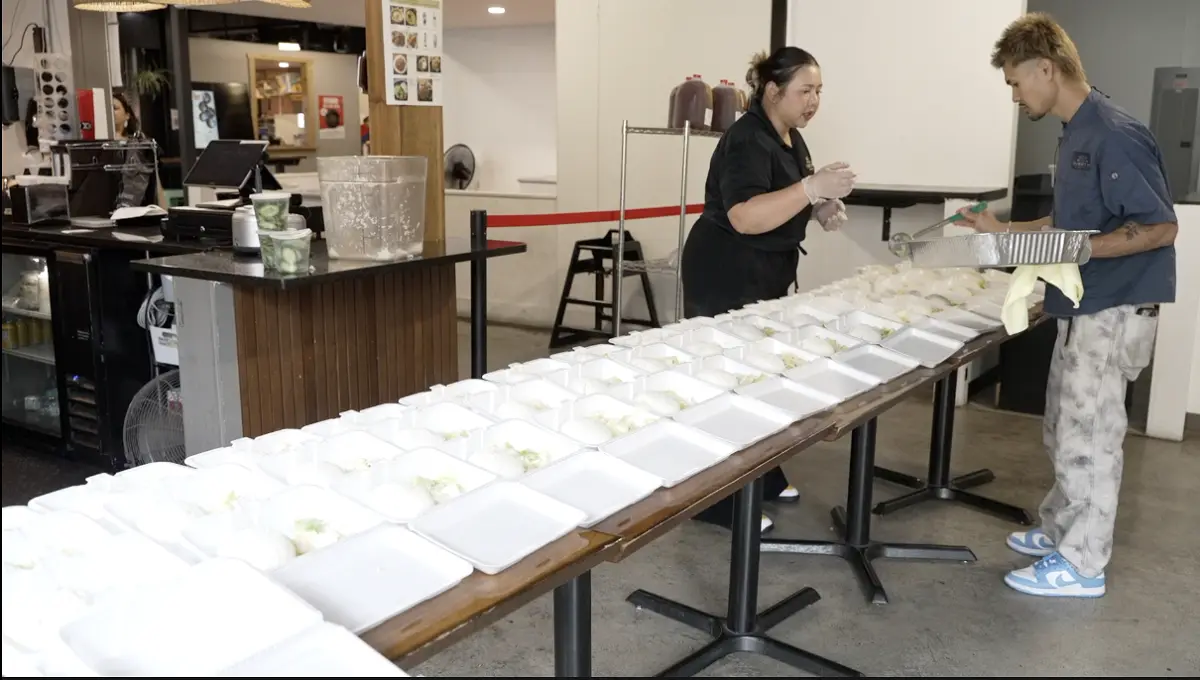
Waco Thai Restaurant Serves Homeless Community on Good Friday in Act of Local Support
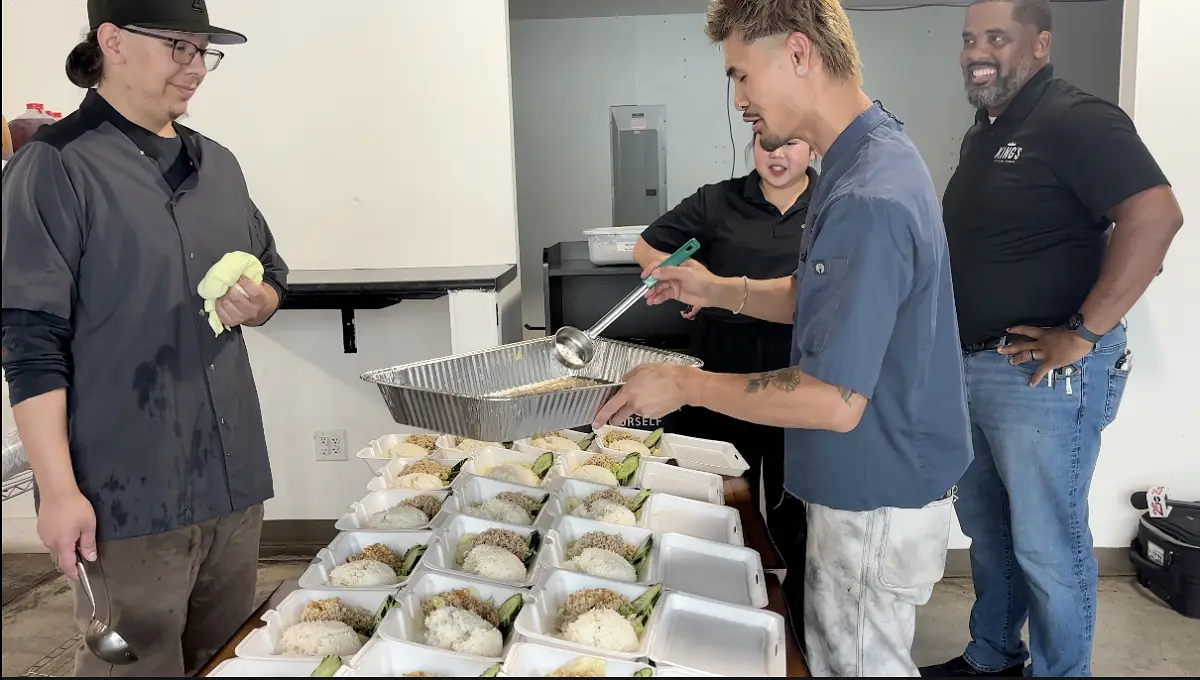
A Thai restaurant in Waco, Texas, provided free meals to members of the homeless community on Good Friday in 2026, demonstrating a commitment to social responsibility and community support. The initiative took place during the Easter holiday period, aiming to assist vulnerable individuals while fostering a sense of inclusion and care within the local area.
The effort was organized by the restaurant’s team, who prepared and distributed meals to those in need, reflecting a broader trend of hospitality businesses engaging in charitable activities. The initiative addressed immediate food needs while also reinforcing the role of local restaurants as community anchors.
Community-Focused Initiative
The Good Friday meal service was designed to provide nourishment and support to individuals experiencing homelessness. Staff members and volunteers worked together to prepare and serve food, ensuring that recipients received warm, freshly made meals.
Such initiatives are often driven by a desire to give back to the community, particularly during significant holidays when the need for support may be more pronounced. By organizing the event, the restaurant aimed to create a positive impact beyond its regular business operations.
The effort reflects a growing awareness within the hospitality sector of the importance of community engagement and social contribution.
Addressing Food Insecurity
Food insecurity remains a persistent challenge in many communities, including Waco. Local restaurants can play a meaningful role in addressing this issue by leveraging their resources, expertise, and infrastructure to provide meals to those in need.
The distribution of free meals on Good Friday highlights how businesses can contribute to alleviating immediate needs while raising awareness about broader social challenges. Initiatives like this often complement the work of nonprofit organizations and community groups.
By participating in such efforts, restaurants can help bridge gaps in access to food and support services.
Role of Restaurants in Social Impact
The hospitality industry has increasingly embraced social responsibility as a core component of its operations. Restaurants, in particular, are well-positioned to engage in community outreach due to their direct connection with food and service.
Acts of giving, such as providing free meals, hosting community events, or partnering with local organizations, contribute to building stronger relationships with the surrounding community. These initiatives also enhance the public perception of businesses as socially conscious entities.
The Waco restaurant’s Good Friday effort is an example of how small-scale actions can have a meaningful impact.
Holiday as a Catalyst for Giving
Good Friday and the Easter season are often associated with themes of compassion, generosity, and community. Many organizations and businesses use this time to organize charitable activities and outreach programs.
The timing of the meal distribution aligns with these values, emphasizing the importance of supporting those in need during significant cultural and religious observances. Such efforts can foster a sense of unity and shared responsibility within communities.
Holiday-driven initiatives often inspire continued engagement and participation in charitable activities throughout the year.
Operational Effort Behind the Initiative
Organizing a meal service of this nature requires careful planning and coordination. From sourcing ingredients to preparing food and managing distribution, the restaurant’s team had to ensure that the operation ran smoothly and efficiently.
Staff involvement is a critical component, as employees often volunteer their time and effort to support such initiatives. This not only contributes to the success of the event but also strengthens team morale and a sense of purpose within the organization.
Balancing regular business operations with charitable activities demonstrates the flexibility and commitment of the restaurant’s management.
Community Response
The initiative was met with appreciation from recipients and local residents, highlighting the positive impact of community-driven efforts. Acts of kindness and generosity can resonate deeply, particularly among individuals facing challenging circumstances.
Community support for such initiatives can also encourage other businesses to participate in similar activities, creating a ripple effect of positive action. Public recognition of these efforts further amplifies their impact.
Engagement from the local community is essential in sustaining and expanding such programs.
Encouraging Industry Participation
The example set by the Waco Thai restaurant may प्रेर other hospitality operators to explore ways of contributing to their communities. Whether through meal donations, partnerships with charities, or volunteer initiatives, there are multiple avenues for engagement.
Industry-wide participation in social initiatives can significantly enhance the collective impact of the hospitality sector. As more businesses adopt similar practices, the potential to address social challenges increases.
Collaboration between restaurants, nonprofits, and local authorities can further strengthen these efforts.
Long-Term Benefits of Community Engagement
Beyond immediate impact, community outreach initiatives can have long-term benefits for both businesses and society. For restaurants, such efforts can build goodwill, enhance brand reputation, and foster customer loyalty.
For communities, consistent support from local businesses contributes to improved well-being and social cohesion. These initiatives can also inspire individuals and organizations to take part in volunteerism and charitable activities.
The integration of social responsibility into business practices is becoming increasingly important in the modern hospitality landscape.
Future Outlook
As the hospitality industry continues to evolve, community engagement is expected to remain a key focus area. Restaurants are likely to explore new ways to contribute to social causes while maintaining sustainable business operations.
Programs like the Good Friday meal service in Waco may serve as a model for future initiatives, demonstrating how businesses can effectively combine commercial success with social impact.
Continued collaboration and innovation will be essential in maximizing the benefits of such efforts.
Conclusion
The Waco Thai restaurant’s Good Friday initiative underscores the important role that local businesses can play in supporting vulnerable communities, highlighting the growing integration of social responsibility within the hospitality industry in 2026.