Ynyshir Restaurant Hygiene Rating: Remarkable Comeback in Wales
Ynyshir Restaurant hygiene rating jumps from one star to five, as chef Gareth Ward's Welsh Michelin restaurant wins back top marks from inspectors.
 RUKAIYA KADIWAL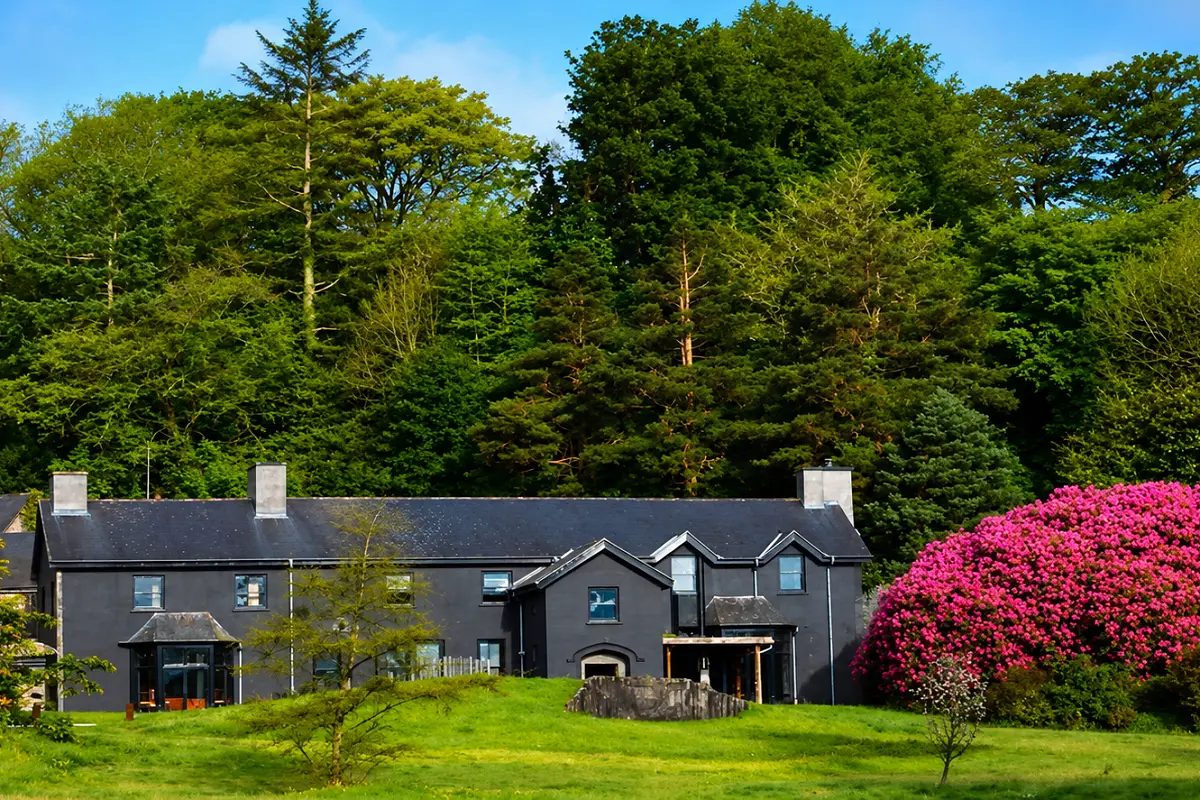
A House the Colour of Midnight
The Ynyshir Restaurant hygiene rating tells only part of the story of the black house on the hillside. The first thing a visitor notices, long before the food arrives, is the house itself. It is painted almost entirely black, standing low against a hillside thick with pine and rhododendron. It seems to disappear into the Welsh countryside rather than announce itself.
There is no gold signage, no grand entrance. Just a narrow gravel path, a wooden door, and the quiet hum of a kitchen. Here, chefs have spent years working out how far they can push the idea of what a plate of food can be.
Inside, on any given evening, thirty courses will pass across the table over the better part of four hours. Some are barely a mouthful. One might be a sliver of raw fish so cold it seems to hum against the tongue. Another might arrive still smoking. The pace is unhurried, almost ceremonial.
This is Ynyshir, the two Michelin star restaurant tucked into the hills near Machynlleth in mid Wales. For a period last year, that silence was interrupted by a very different kind of scrutiny. It had nothing to do with flavour and everything to do with a clipboard.
A Chef Who Does Things Differently
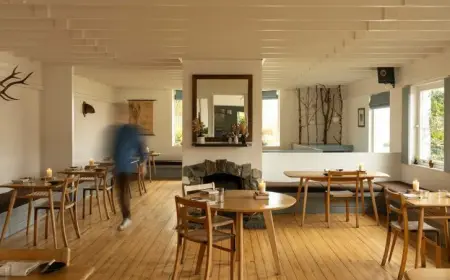
Gareth Ward, the restaurant's owner and chef, has built his reputation on refusing convention. His tasting menu leans heavily on raw preparations. Fish is flown in from Japan, and meat is aged to the edge of what most kitchens would attempt. It is all served in a room that feels closer to a friend's living room than a formal dining hall.
He has appeared as a guest judge on Masterchef: The Professionals. Within the industry, he is known as someone who treats rules as a starting point for negotiation rather than a fixed boundary.
That reputation was tested in October 2025. Ceredigion council's food safety inspectors gave Ynyshir a one star hygiene rating, the second lowest score on the scale, and ordered the kitchen to stop serving raw lobster. The inspection findings were blunt. Significant hazards had not been properly identified, hand washing facilities in parts of the building were inadequate, equipment was broken, and the floor was dirty.
The report concluded that food safety management at the restaurant needed major improvement. For a restaurant charging close to £500 a head for a menu built almost entirely around raw technique, this landed as more than an administrative footnote. It became public conversation.
Pushback, Not Panic
Ward did not respond with the contrition some might have expected. Speaking to the BBC at the time, he said he felt Ynyshir was working at the highest level in the world. He argued the kitchen was simply doing something different with raw ingredients, not something wrong.
He pointed to the sourcing behind the dishes in question, sashimi grade fish brought in directly from Japan. He felt inspectors unfamiliar with those standards were applying a framework that didn't quite fit.
This kind of friction often surfaces when a highly specialised kitchen meets a generalist regulatory process. Raw and lightly cured dishes sit at the edge of conventional food safety guidance. Chefs working in that space often describe a gap between what their training tells them is safe and what a standard checklist is built to measure.
Ynyshir Restaurant Hygiene Rating: From One Star to Five
Whatever was said in public, the kitchen's response behind the scenes was methodical. Over the following months, the team worked through the inspectors' findings point by point. They addressed the handling procedures, the facilities, and the equipment that had been flagged.
There was no press release announcing the effort, no dramatic before and after. Just the unglamorous, repetitive discipline of getting a professional kitchen back into alignment with what regulators expect.
That work was tested again in February, when Ceredigion council returned for a re inspection. This time, the outcome was different. The revised Ynyshir Restaurant hygiene rating reached five stars, the highest available, with the council confirming that the business had addressed all matters identified during the original inspection. The score was published on the Food Standards Agency's website in March.
The council framed the outcome as evidence of the system working as intended. It described the result as the product of constructive engagement between its officers and the business, rather than a punitive process.
What the Rating Doesn't Show
None of this changes what happens at the table. The tasting menu still stretches toward thirty courses. The raw dishes remain central to the experience, built on the same supplier relationships in Japan and elsewhere that Ward has spent years cultivating.
The episode says something broader about where high end raw and fermentation driven cooking sits within Britain's food safety regulation. As more kitchens push toward techniques once considered the preserve of specialist Japanese or Scandinavian training, the systems meant to keep diners safe are having to stretch to keep pace.
This pattern, hospitality businesses working through setbacks and coming out stronger, is not unique to fine dining kitchens in Wales. A similar story of expansion and renewed commitment is unfolding elsewhere, as seen with The Fern Hotels' third property in Madhya Pradesh. It is another example of a hospitality brand investing in standards and growth even as the industry around it changes.
For now, the black house on the hillside has its five stars back. The rhododendrons outside are in bloom. And somewhere inside, a kitchen that spent a difficult winter proving a point to a council inspector is, once again, mostly occupied with proving a point to its diners instead.