Effective Communication Skills Training for Restaurant Staff
Learn effective communication skills training for restaurant staff with SOP, and service interaction techniques in restaurant operations.
 Jyoti Kushwaha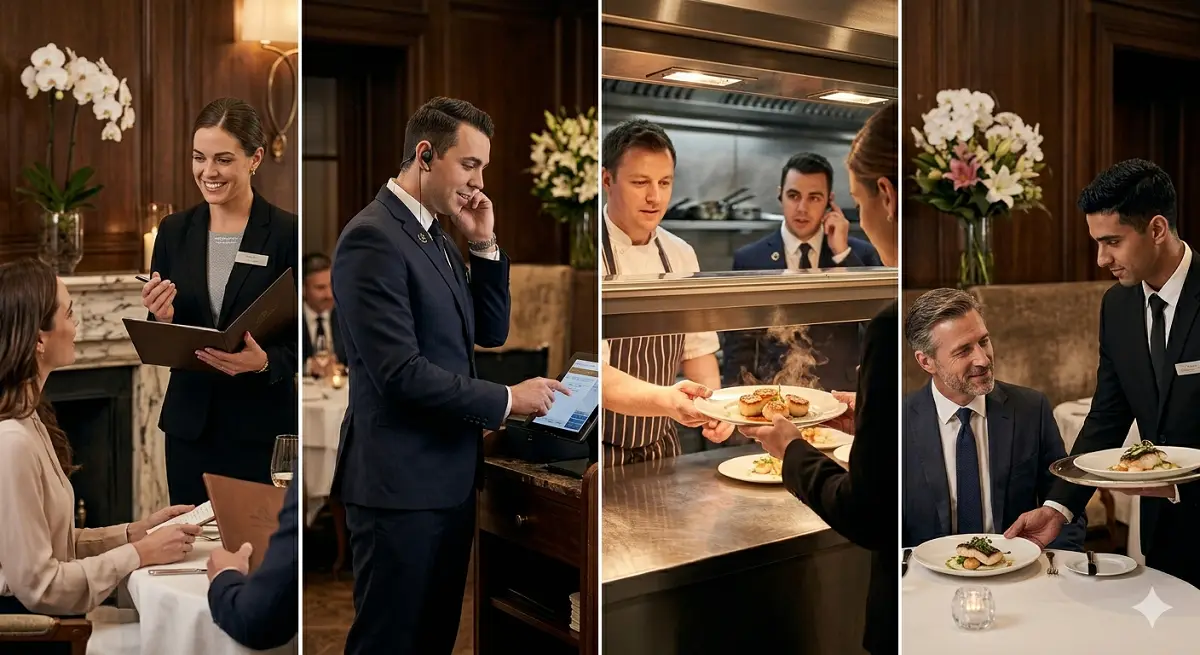
The noise on the floor tells you everything when communication slips, tickets stack, tempers rise, and the table feels it immediately.
Good service isn’t just speed. It’s clean, tight communication at every step.
And when teams get this right, service flows. When they don’t, everything drags.
Overview of Communication Skills in Restaurant Operations
Service is a relay. Guest → server → kitchen → back to table.
If one handoff is weak, the whole chain breaks.
Every stage greeting, order, pickup, billing runs on clear words and quick confirmation.
And during rush? You don’t have time to “figure it out.” You communicate sharp or you fall behind.
Pro tip: Confusion in your voice becomes confusion on the plate.
SOP Procedure for Communication in Restaurant Service
This is your base. No shortcuts here.
1. Guest Greeting Communication
Greet within 30 seconds. Eye contact, steady tone. Start clean.
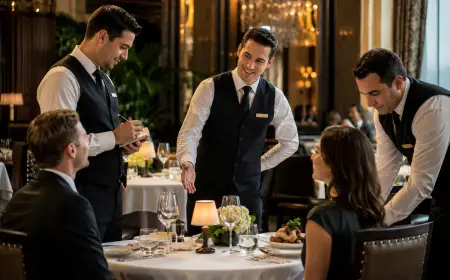
2. Order Taking Communication
Listen fully. Write it right. Repeat it back always.
3. Kitchen Communication
Punch the order correctly in POS. And call out special requests don’t rely only on the screen.
4. Service Updates Communication
If there’s a delay, say it early. Don’t let the guest guess.
5. Team Coordination
Talk to your team. Pickup, clearing, refills no silent service.
6. Complaint Handling Communication
Listen. Acknowledge. Respond with a fix not excuses.
7. Billing Communication
Explain clearly if asked. Confirm payment method before processing.
8. Closing Interaction
Thank them properly. Close the table strong.
Miss one step, and service friction shows up fast.
Operational Steps and Communication Workflow
This is how communication should move during service.
Step-by-Step Communication Workflow:
• Greet within 30 seconds set the tone
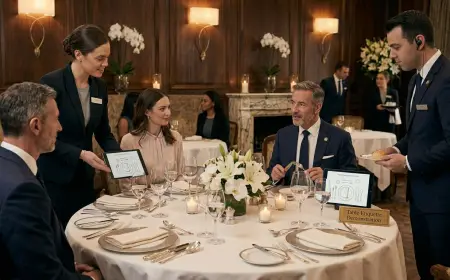
• Present menu and explain specials clearly
• Take order with full focus no distractions
• Repeat order before entering lock accuracy
• Enter order immediately in POS
• Call out special requests to kitchen
• Update guest if timing shifts
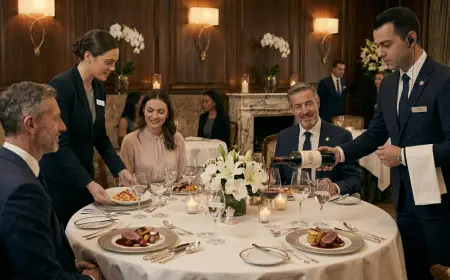
• Coordinate with runners for delivery
• Check back during meal don’t vanish
• Explain billing and process smoothly
• Close with a clear thank you
Service Timing Benchmarks:
• Greeting: within 30 seconds
• Order taking: 3–5 minutes
• Confirmation: immediate
• Kitchen communication: within 1 minute
• Updates: as needed during delays
• Billing: within 3 minutes
Operational Controls:
• No half-taken orders ever
• Service and kitchen stay in sync
• Same standard across all shifts
• Watch communication closely during peak
Pro tip: Slow communication is what slows service not the kitchen.
Guest Interaction and Communication Techniques
This is where you win or lose the table’s vibe.
Professional Communication Standards:
• Polite, direct language
• Strong eye contact
• Clear voice, no mumbling
• Keep it professional, always
Active Listening Techniques:
• Focus fully, no multitasking while taking orders
• Let the guest finish
• Repeat key details
• Clear doubts before moving on
Verbal Communication Techniques:
• Use positive words, “Of course,” “Certainly”
• Explain dishes simply
• Recommend with confidence
• Adjust tone to the guest
Non-Verbal Communication:
• Stand straight, stay open
• Use natural expressions
• No crossed arms or closed posture
• Stay present at the table
Handling Difficult Situations:
• Stay calm, always
• Listen fully before speaking
• Acknowledge the issue
• Offer a clear solution
Pro tip: Guests read your body before they hear your words.
Tools and Equipment for Communication Support
Your tools should make communication faster, not messy.
Primary Tools:
• POS for clean order entry
• KDS for real-time tracking
• Reservation systems for planning
• Staff communication devices
Support Equipment:
• Order pads or tablets
• Headsets or intercoms
• Table numbering systems
• Feedback tools
Usage Guidelines:
• Enter orders immediately, no memory-based service
• Write clear notes for special requests
• Check systems before shift starts
• Keep communication flowing between teams
If your tools are messy, your service gets messy.
Service Standards and Performance Metrics
This is how you know your communication is working.
Key Performance Metrics:
• Order accuracy: 100%
• No guest confusion
• Timing stays within SOP
• Guest satisfaction stays high
• Complaints handled fast
• Team coordination runs smooth
Numbers don’t lie. They show where communication is breaking.
Evaluation and Continuous Improvement
Strong teams review and fix daily.
Evaluation Methods:
- Supervisor floor observation
- Guest feedback and reviews
- POS order accuracy reports
- Staff communication checks
- Service audits
Main issues? Not listening, unclear talking, poor coordination.
Fix it with repetition. Pre-shift briefings. Role-play. And tight supervision.
End of the shift, good communication isn’t extra. It’s what keeps the whole operation standing.
Read more about luxury hospitality guest training.