Hotel Standard Menu Planning Techniques: Complete Training Guide with SOP & Professional Standards
Learn hotel standard menu planning techniques with SOP, menu design strategies, cost control, and operational planning for food and beverage operations.
 Jyoti Kushwaha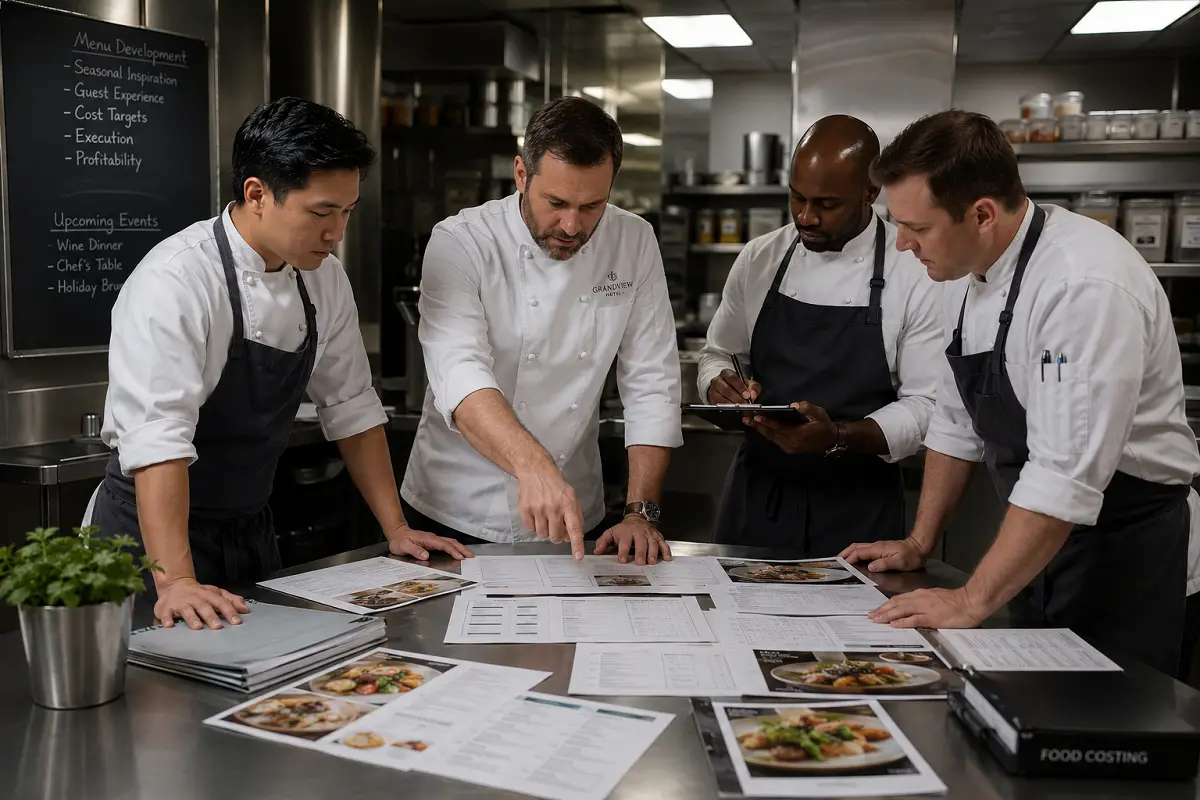
The latest feedback from the pass suggests one thing menus fail when they don’t respect the kitchen. If the line struggles, the guest feels it. Get the plan right, and service runs clean.
Overview of Hotel Standard Menu Planning Techniques
Menu planning is not decoration. It drives revenue, controls cost, and sets the pace of service. Every dish on that list must earn its place.
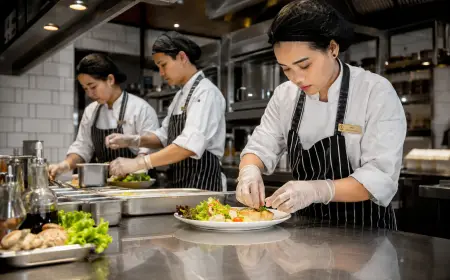
You align the menu with what the kitchen can actually deliver. Equipment, team skill, prep time. Ignore that, and you create service friction fast.
Good planning means smart dish selection, balanced variety, and reliable ingredients. Pricing must protect margins. And yes, seasonality and dietary needs matter on the floor.
When the menu is tight, service flows. When it’s messy, everything slows down.
SOP Procedure for Menu Planning
This is your working method. No shortcuts.
1. Define Concept and Target Market
Lock in the concept. Know your guest. Cuisine, price point, expectations. Everything follows this.
2. Analyze Kitchen Capacity
Check space, equipment, and team strength. If the kitchen can’t handle it, it doesn’t go on the menu.
3. Select Menu Items
Pick dishes that sell, can be executed fast, and make money. Balance demand with practicality.
4. Standardize Recipes
Fix portions. Fix methods. No guessing on the line.
5. Costing and Pricing
Know your numbers. Set prices that protect margins without scaring the guest.
6. Menu Design and Layout
Keep it clean. Clear categories. Easy to read. Guide the guest’s eye.
7. Trial and Testing
Run it live. Taste it. Time it. Watch the kitchen handle it.
8. Final Approval and Implementation
Lock the menu. Train the team. Everyone must know every dish.
Operational Steps and Menu Planning Workflow
This is how you keep the menu connected to daily service.
Step-by-Step Workflow:
a. Track customer preferences and current dining trends
b. Study past sales and top-performing dishes
c. Build categories: starters, mains, desserts, beverages
d. Balance vegetarian and non-vegetarian options
e. Confirm ingredient supply is stable
f. Match prep time with service speed
g. Align menu with service style
h. Finalize and brief both kitchen and floor teams
Operational Timing Benchmarks:
- Menu planning cycle: monthly or quarterly
- Recipe standardization: before launch
- Staff training: 2 to 3 days before rollout
- Menu updates: based on season or demand
Pro tip: If the team asks too many questions during service, the menu wasn’t trained properly.
Guest Interaction and Menu Presentation
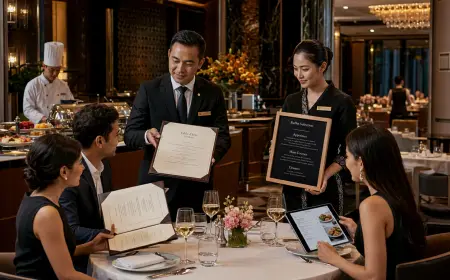
The menu talks before the server does. Keep it sharp.
Service Interaction Standards:
a. Present the menu with confidence
b. Explain dishes clearly and simply
c. Recommend based on guest preference
d. Push chef specials with intent
Menu Presentation Techniques:
a. Keep descriptions short and clear
b. Avoid overcrowding the menu
c. Highlight high-profit and popular items
d. Maintain a clean, professional layout
Special Requests Handling:
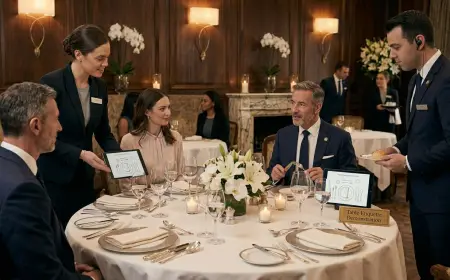
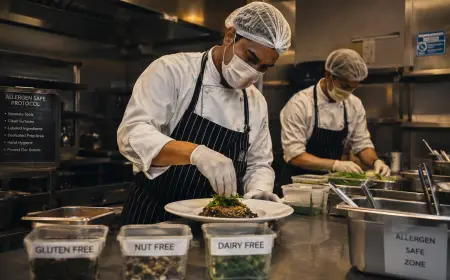
a. Handle dietary needs seriously
b. Communicate clearly with the kitchen
c. Deliver exactly what was promised
But remember: overpromising kills trust faster than a delay.
Tools and Equipment for Menu Planning
Use the right tools or expect mistakes.
Primary Tools:
a. Recipe standardization sheets
b. Food costing systems or spreadsheets
c. Menu engineering charts
d. POS system for tracking sales
Support Tools:
a. Supplier and inventory systems
b. Menu design software
c. Kitchen production schedules
d. Staff training manuals
Usage Guidelines:
a. Update costing as market prices change
b. Track sales through POS reports
c. Drop weak items and push strong ones
d. Keep portions consistent every time
Pro tip: If food cost creeps up, check portion control before blaming suppliers.
Service Standards and Performance Metrics
Numbers don’t lie. Track them.
Key Performance Metrics:
a. Food cost percentage within target
b. High-performing items prioritized
c. Prep time within standard limits
d. Order accuracy at 100%
e. Guest satisfaction consistently high
Miss these, and the operation slips. Simple as that.
Evaluation and Continuous Improvement
Menus are never final. They evolve.
Evaluation Methods:
a. Review sales reports and dish performance
b. Collect guest feedback regularly
c. Track food cost and margins
d. Listen to staff feedback
e. Watch service during peak hours
Common issues show up fast. Overloaded menus, supply gaps, poor costing. Fix them early.
But keep it simple. Tight menu, strong execution, clear communication. That’s how you keep both the kitchen and the guest happy.
Read more about HACCP training here.