What is a Restaurant? Definition, Types & Importance
Learn what a restaurant is, its types, and why it matters. Explore dining trends, restaurant operations, and FAQs about the industry.
 Saurav Sarkar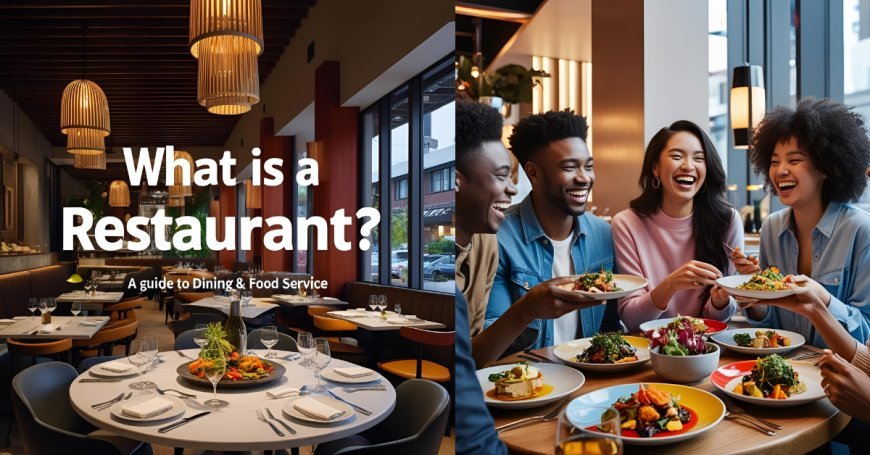
Introduction
A restaurant is a place where people pay to eat meals prepared by chefs or cooks. It ranges from fast-food joints to fine dining establishments, each offering unique menus and dining experiences. Restaurants play a key role in food culture, social gatherings, and the global economy, serving millions of customers daily.
What Defines a Restaurant?
A restaurant is an establishment that serves food and beverages to customers. It can be a casual eatery, a luxurious dining spot, or a quick-service outlet.
Key Features of a Restaurant:
- Menu variety: different cuisines, specialties, and meal options.
- Service style: dine-in, takeout, or delivery.
- Ambiance: The atmosphere and theme of the restaurant.
- Pricing: Ranges from budget-friendly to premium dining.
Why Are Restaurants Important?
Restaurants are more than just places to eat; they contribute to culture, economy, and social life.
- Cultural Exchange: showcases global cuisines and traditions.
- Economic Impact: The restaurant industry generates billions in revenue and jobs.
- Social Gathering Spot: A place for celebrations, meetings, and relaxation.
- Convenience & Variety: Offers diverse food choices and dining experiences.
What Are the Different Types of Restaurants?
1. Fine Dining Restaurants
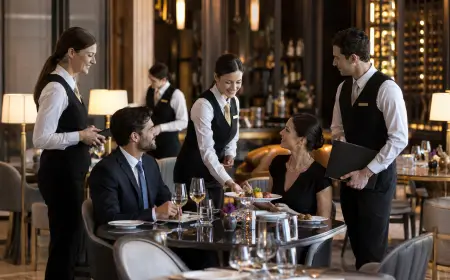
- High-end establishments with gourmet food and elegant service.
- Examples: Michelin-star restaurants, luxury hotel dining.
2. Casual Dining Restaurants
- Relaxed atmosphere with table service and diverse menus.
- Examples: family restaurants, grill houses, diners.
3. Fast Food Restaurants
- Quick, affordable meals with limited seating.
- Examples: McDonald's, KFC, Subway.
4. Cafés & Coffee Shops
- Light meals, snacks, and a cozy setting.
- Examples: Starbucks, local coffee houses.
5. Buffets
- Self-service dining with a variety of dishes.
- Examples: hotel buffets, all-you-can-eat restaurants.
6. Food Trucks and Street Food
- Mobile restaurants offer quick, tasty meals.
- Examples: Taco trucks, hot dog stands.
7. Themed & Specialty Restaurants
- Unique themes or specific cuisines (e.g., sushi bars, vegan restaurants).
- Examples: Hard Rock Café, Rainforest Café.
How Do Restaurants Work?
Step-by-Step Restaurant Operations:
- Customer Orders: Guests choose from the menu.
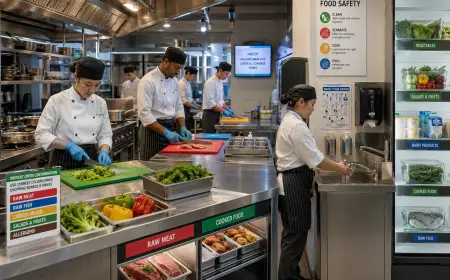
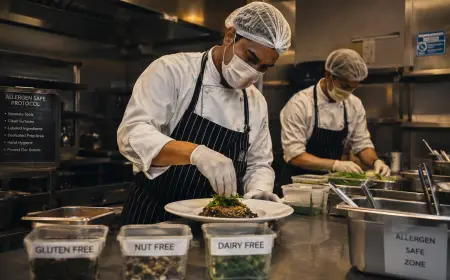
- Food preparation: Chefs cook dishes based on orders.
- Service: Waitstaff serves food or customers pick up their orders.
- Payment Processing: Customers pay via cash, card, or digital wallets.
- Cleaning & Resetting: Tables are cleared for the next guests.
What Are the Key Trends in the Restaurant Industry?
- Online Ordering & Delivery: Apps like Uber Eats and DoorDash make dining more convenient.
- Sustainable Dining: Eco-friendly packaging, plant-based menus, and farm-to-table concepts.
- Smart Technology: AI-powered chatbots, self-service kiosks, and automated kitchens.
- Personalized Experiences: customizable menus, loyalty programs, and dietary options.
FAQs About Restaurants
1. What is the difference between a café and a restaurant?
A café mainly serves coffee, snacks, and light meals, while a restaurant offers full-course meals.
2. What makes a restaurant successful?
Great food, excellent customer service, a strong brand identity, and effective management.
3. How has COVID-19 impacted restaurants?
It accelerated online ordering, delivery services, and contactless payments.
4. What are ghost kitchens?
Delivery-only restaurants without dine-in services, focusing on online orders.
Conclusion
Restaurants are essential to daily life, offering convenience, cultural experiences, and economic benefits. Whether you’re dining at a fine restaurant or grabbing a quick bite, these establishments shape the way we eat and socialize.