Advanced Guest Greeting Techniques: Front Office SOP Training Guide
Learn advanced guest greeting techniques with front office SOP, professional standards, guest psychology, and service timing for superior hotel experience.
 Shah Vaibhavi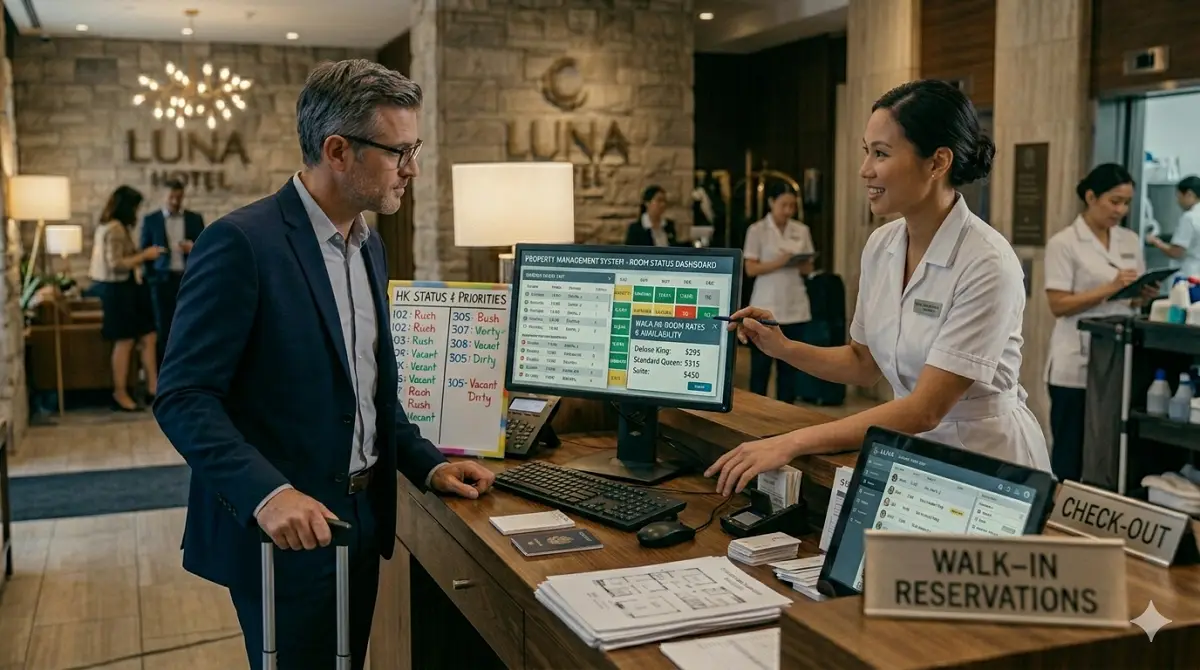
Advanced Guest Greeting Techniques training module on advanced guest greeting techniques is designed for front office professionals to deliver impactful first impressions, improve guest engagement, and maintain consistent service standards. In hotel operations, the greeting stage is the first direct interaction that defines guest perception, influences satisfaction, and sets the tone for the entire stay experience.
Advanced Guest Greeting Techniques Overview of Guest Greeting in Front Office Operations
Advanced guest greeting techniques go beyond basic welcome gestures and focus on timing, personalization, body language, and communication clarity. The front office team must ensure that every guest is acknowledged within 5 seconds of arrival, regardless of occupancy levels or workload.
From an operational perspective, greeting is not just a courtesy but a structured service step linked to guest satisfaction scores, brand standards, and service audits. A well-executed greeting reduces guest anxiety, builds trust, and creates a smooth transition into check-in procedures.
Hotels typically define greeting protocols based on brand standards, including verbal scripts, posture guidelines, and response timing. Consistency across shifts is critical to maintain uniform guest experience.
SOP Procedure for Guest Greeting
The advanced guest greeting techniques SOP follows a structured sequence to ensure consistency and professionalism:
- Step 1: Immediate Acknowledgment
Acknowledge the guest within 5 seconds of arrival with eye contact and a polite nod or smile, even if engaged with another guest. - Step 2: Professional Greeting
Use a standard greeting such as “Good morning/afternoon/evening, welcome to the hotel.” Maintain a warm and confident tone. - Step 3: Personalization
If guest details are known, address the guest by name. Recognize repeat or loyalty guests immediately. - Step 4: Offer Assistance
Ask an open-ended question such as “How may I assist you today?” to understand guest intent. - Step 5: Queue Management
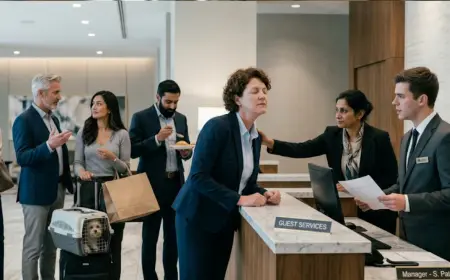
If multiple guests are waiting, acknowledge each guest and communicate expected waiting time. - Step 6: Transition to Service
Guide the guest smoothly into check-in, reservation, or query handling process. - Step 7: Non-Verbal Reinforcement
Maintain positive body language, upright posture, and attentive listening throughout the interaction.
Front Desk Workflow and Coordination
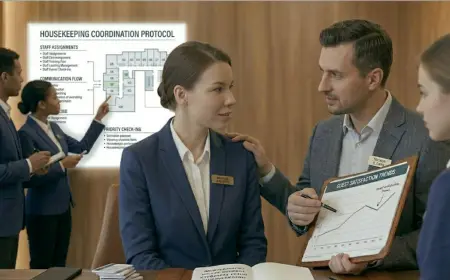
Advanced guest greeting techniques require coordination between front office roles to ensure seamless service delivery:
Front Desk Agents: Handle greeting and primary interaction.
Bell Desk: Assist with luggage and reinforce welcome experience.
Concierge: Provide immediate assistance for guest queries.
Duty Manager: Handle VIP arrivals and special cases.
Security: Ensure smooth entry flow and guest safety.
During peak hours, staff must maintain greeting standards while managing operational pressure. Team coordination ensures that no guest is left unattended.
Guest Interaction Process
Advanced guest greeting techniques emphasize structured communication to enhance guest experience:
Eye Contact: Maintain natural and respectful eye contact.
Smile: Use a genuine smile to create a welcoming atmosphere.
Voice Tone: Clear, calm, and professional tone.
Listening Skills: Allow the guest to express needs without interruption.
Empathy: Adapt communication based on guest mood and situation.
Special scenarios include:
VIP Guests: Personalized greeting with name recognition and immediate assistance.
International Guests: Use simple language and clear communication.
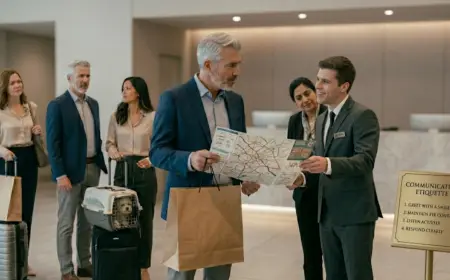
Group Arrivals: Acknowledge entire group and guide them efficiently.
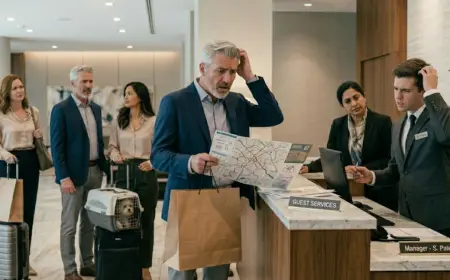
Complaints at Arrival: Listen actively and respond within 2 minutes with a solution or escalation.
Effective greeting builds rapport and reduces service friction during subsequent interactions.
Tools and Systems Used
Advanced guest greeting techniques are supported by operational tools and systems:
Property Management System (PMS): Provides guest details for personalized greeting.
Arrival Reports: Lists VIPs, repeat guests, and special requests.
CRM System: Stores guest preferences and history.
Communication Devices: Enables coordination between departments.
Queue Management Systems: Helps manage guest flow during peak hours.
Staff must use these tools effectively to enhance personalization and efficiency in greeting.
Service Standards and Performance Metrics
Advanced guest greeting techniques are measured using defined operational benchmarks:
Response Time: Guest acknowledgment within 5 seconds.
Greeting Consistency: 100% adherence to greeting SOP.
Guest Satisfaction Score: Positive feedback on arrival experience.
Queue Handling Efficiency: Minimal waiting time communication.
Personalization Rate: Use of guest name and recognition.
Maintaining these standards ensures a consistent and high-quality guest experience across all interactions.
Evaluation and Training Assessment
Regular evaluation ensures effective implementation of advanced guest greeting techniques:
Role Play Exercises: Simulate greeting scenarios for skill development.
Supervisor Observation: Monitor real-time guest interactions.
Mystery Audits: Evaluate greeting standards and consistency.
Guest Feedback Analysis: Identify areas of improvement.
Training Refreshers: Conduct periodic sessions on communication skills.
Training should focus on improving communication clarity, confidence, and adaptability to different guest situations.
In conclusion, advanced guest greeting techniques are a structured and essential component of front office operations. Proper execution ensures strong first impressions, enhances guest satisfaction, and supports overall service excellence. Consistent training and adherence to SOPs enable front office teams to deliver professional, personalized, and efficient guest interactions.
Also read: Full Guide Handling Walk-in Guests: Complete Front Office Training Guide with SOP & Professional Standards