Handling Walk-in Guests: Front Office SOP Training Guide
Learn handling walk-in guests with front office SOP, step-by-step procedures, guest conversion techniques, pricing strategy, and service standards.
 Shah Vaibhavi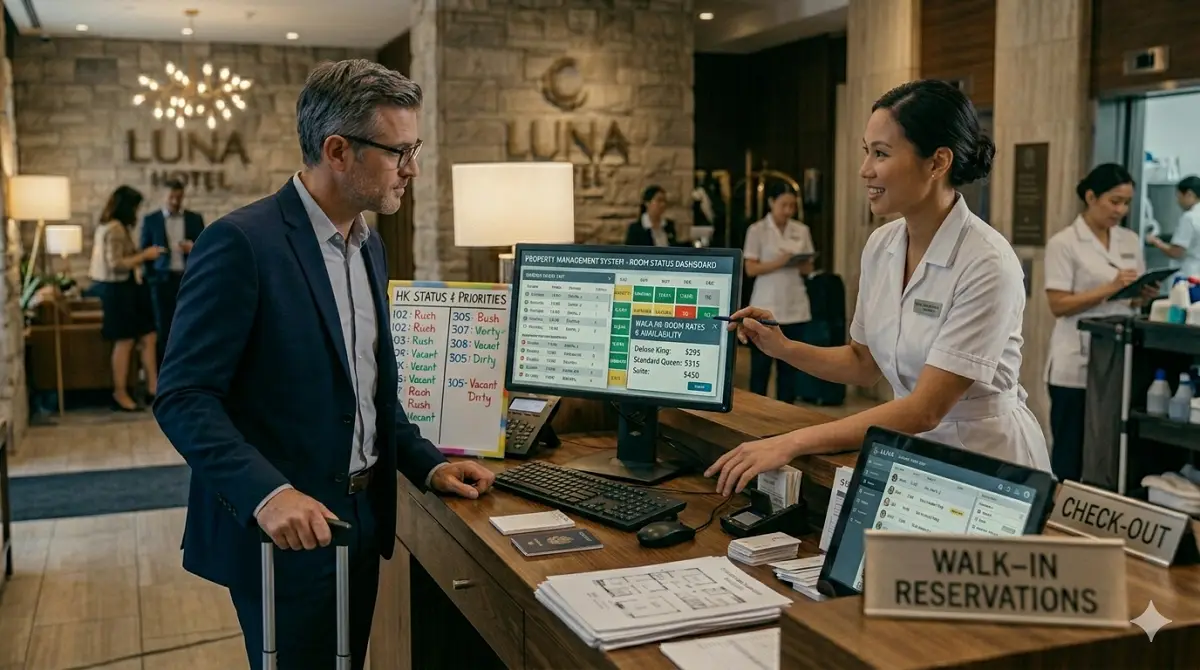
This training module focuses on handling walk-in guests in front office operations, outlining structured SOPs, guest interaction techniques, and conversion strategies. Walk-in guests represent immediate revenue opportunities and require efficient handling, accurate pricing, and professional communication to ensure successful room sales and a positive first impression.
Overview of Handling Walk-in Guests
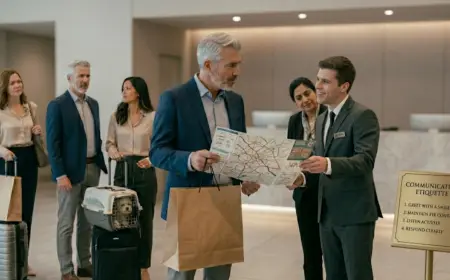
Handling walk-in guests refers to the process of managing guests who arrive at the hotel without prior reservations. Unlike pre-booked arrivals, walk-in guests require real-time availability checks, rate negotiation, and quick decision-making by front office staff.
From an operational perspective, walk-ins contribute to incremental revenue and occupancy optimization. The front office team must balance occupancy levels, pricing strategy, and guest expectations while ensuring a seamless check-in experience.
Effective handling of walk-in guests requires strong product knowledge, communication skills, and coordination with housekeeping and revenue management. Poor handling may lead to lost revenue, guest dissatisfaction, or operational delays.
SOP Procedure for Handling Walk-in Guests
The handling walk-in guests SOP follows a structured approach to ensure consistency and efficiency:
- Step 1: Guest Greeting
Acknowledge the guest within 5 seconds with a professional greeting. Maintain eye contact and a welcoming tone. - Step 2: Requirement Assessment
Ask key questions: number of guests, room preference, length of stay, and special requirements. - Step 3: Availability Check
Check real-time room availability in the PMS. Verify room types and current occupancy status. - Step 4: Rate Quotation
Offer the best available rate based on hotel pricing strategy. Clearly communicate inclusions such as breakfast, taxes, and amenities. - Step 5: Upselling Opportunity
Suggest higher room categories or packages based on guest profile and availability. - Step 6: Booking Confirmation
Once agreed, create a reservation in the PMS and proceed with registration formalities. - Step 7: Documentation and Payment
Collect valid ID and process advance payment or card pre-authorization. - Step 8: Room Allocation and Check-in
Assign a room and complete the standard check-in procedure.
Front Desk Workflow and Coordination
Handling walk-in guests requires seamless coordination between departments:
Housekeeping: Confirm room readiness and prioritize cleaning if needed.
Revenue Management: Guide rate decisions based on occupancy and demand.
Reservations: Update inventory and ensure system accuracy.
Bell Desk: Assist with luggage and guest escort.
Accounts: Ensure proper payment handling and billing setup.
Real-time coordination is essential to avoid delays and ensure accurate room allocation.
Guest Interaction Process
Handling walk-in guests involves a structured communication approach to maximize conversion:
Listening: Understand guest needs and preferences.
Clarity: Provide clear information on rates, facilities, and policies.
Confidence: Present options confidently to build trust.
Personalization: Recommend rooms based on guest profile.
Special scenarios include:
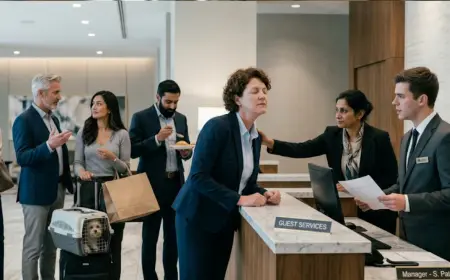
High Occupancy: Offer alternative room types or waiting options.
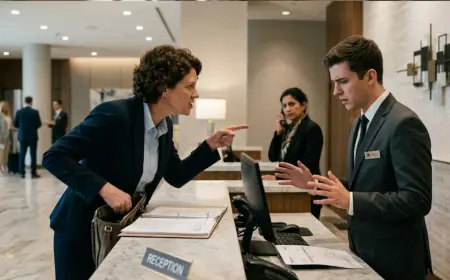
Rate Negotiation: Handle professionally within approved limits.
VIP Walk-ins: Inform management and provide priority handling.
Long Stay Guests: Offer discounted rates or packages.
Effective interaction increases the likelihood of converting walk-ins into confirmed bookings.
Tools and Systems Used
The handling walk-in guests process relies on multiple systems:
Property Management System (PMS): Check availability and create reservations.
Rate Management System: Provides pricing guidelines.
Payment Systems: Handle transactions and pre-authorizations.
ID Scanners: Speed up documentation process.
CRM System: Capture guest details for future reference.
Staff must ensure system accuracy to avoid booking errors and revenue loss.
Service Standards and Performance Metrics
Handling walk-in guests performance is measured through operational benchmarks:
Conversion Rate: Percentage of walk-ins converted to bookings.
Response Time: Initial interaction within 5 seconds.
Processing Time: 5–7 minutes for complete check-in.
Upselling Rate: Target-based room upgrade success.
Guest Satisfaction: Positive feedback on service experience.
Maintaining these standards ensures revenue optimization and service consistency.
Evaluation and Training Assessment
Regular evaluation ensures effective handling walk-in guests and continuous improvement:
Role Play Exercises: Simulate walk-in scenarios for training.
PMS Accuracy Checks: Verify booking entries.
Supervisor Monitoring: Observe guest interaction quality.
Conversion Analysis: Track missed opportunities.
Training should focus on improving communication, negotiation skills, and system efficiency, especially during peak hours.
In conclusion, handling walk-in guests is a critical front office function that directly impacts occupancy, revenue, and guest satisfaction. A structured SOP, combined with strong communication and operational coordination, ensures efficient conversion and a seamless guest experience.