How Ratan Tata Transformed Tata Group into a Global Brand
 Ahmed Mainul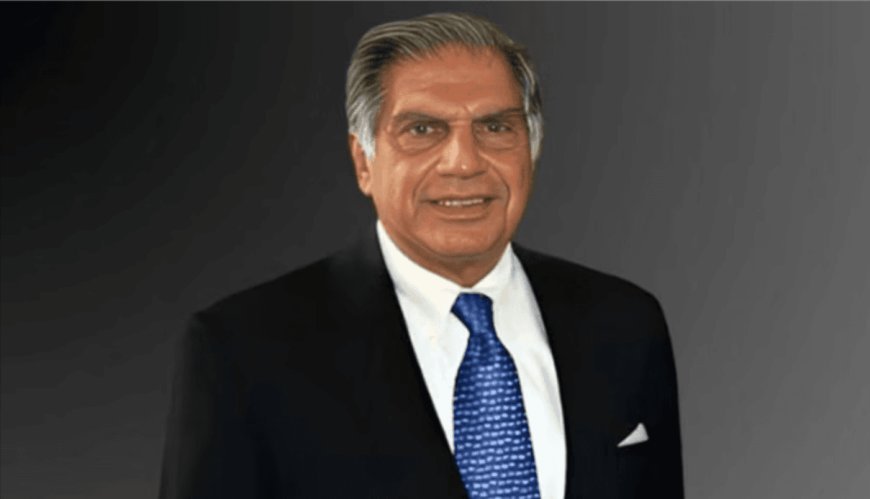
Ratan Tata, the former chairman of Tata Sons, is a pivotal figure in the transformation of the Tata Group. Under his leadership, the group evolved from a traditional Indian conglomerate into a global powerhouse. This article explores Ratan Tata’s vision, strategies, and key initiatives that shaped Tata Group’s global brand identity.
Early Life and Background
Ratan Tata was born on December 28, 1937, in Surat, India. He is a member of the Tata family, which founded the Tata Group in 1868. After completing his education in architecture at Cornell University, he joined Tata Group in 1962. Ratan Tata started his career with the Tata Steel division. His early experiences laid the foundation for his future leadership.
Vision for Global Expansion
Ratan Tata became the chairman of Tata Sons in 1991. He had a clear vision: to expand Tata Group’s presence beyond India. He understood that for Tata to compete on a global stage, it needed to diversify its operations. This meant investing in different sectors and acquiring companies worldwide.
Strategic Acquisitions
One of Ratan Tata’s most notable strategies was his focus on acquisitions. Under his leadership, Tata Group made several key acquisitions that strengthened its global footprint. Here are a few significant examples:
- Tata Steel and Corus: In 2007, Tata Steel acquired Corus Group for $12 billion. This acquisition made Tata Steel one of the top ten steel producers in the world.
- Tata Motors and Jaguar Land Rover: In 2008, Tata Motors purchased the luxury car brands Jaguar and Land Rover from Ford. This acquisition not only enhanced Tata’s product portfolio but also elevated its brand image.
- Tata Global Beverages and Tetley: In 2000, Tata acquired Tetley, one of the largest tea brands in the UK. This move allowed Tata to expand its presence in the global beverage market.
These acquisitions not only diversified Tata Group’s offerings but also positioned the company as a significant player in various industries.
Focus on Innovation and Quality
Ratan Tata emphasized innovation and quality in all Tata products. He believed that a strong brand is built on trust and quality. Under his leadership, Tata introduced several innovative products:
- Tata Nano: Launched in 2008, Tata Nano aimed to provide an affordable car for the masses. Although it faced challenges, it showcased Tata’s commitment to innovation.
- Tata Indica: The Tata Indica was India’s first passenger car designed and produced entirely in India. It highlighted Tata’s capability to create quality vehicles tailored to local needs.
Commitment to Corporate Social Responsibility (CSR)
Ratan Tata strongly believed in corporate social responsibility. He maintained that businesses should contribute positively to society. Under his leadership, Tata Group invested significantly in education, health care, and rural development. Initiatives like the Tata Trusts have made a meaningful impact on communities across India.
Global Brand Recognition
Ratan Tata’s efforts transformed Tata Group into a respected global brand. Today, Tata Group operates in over 100 countries across six continents. Its companies, including Tata Consultancy Services (TCS), Tata Steel, and Tata Motors, are recognized worldwide. This global presence enhances Tata’s brand value and reputation.
Conclusion
Ratan Tata’s leadership was crucial in transforming Tata Group into a global brand. His vision for expansion, focus on innovation, and commitment to quality and social responsibility have left a lasting legacy. Today, Tata Group is not just a conglomerate but a symbol of trust and excellence worldwide.
ALSO READ: Ratan Tata’s Top Business Achievements: Lessons for Entrepreneurs
Ratan Tata: Inspiring Leadership Journey of India’s Business Icon
Padma Vibhushan industrialist Ratan Tata dies at 86, Hospitality News | Hospitality Career Profile