Banyan Group African Safari Market Entry Debuts in Style
Banyan Group African Safari Market entry begins with the Newmark Hotels acquisition and the debut of Ubuyu, its first safari lodge in Tanzania.
 RUKAIYA KADIWAL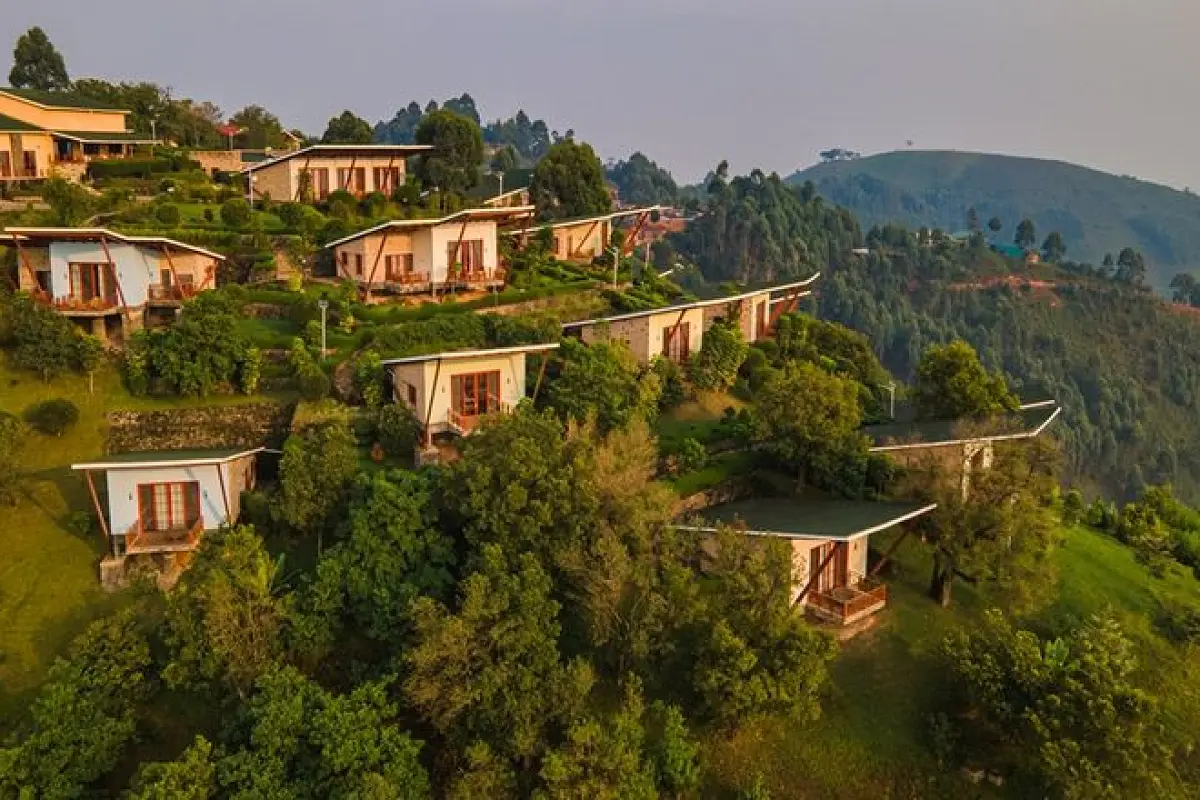
As dusk settles over Ruaha National Park, six villas perched along a riverfront catch the day's last light, each one fitted with a private plunge pool overlooking terrain that has drawn safari travelers to Tanzania for generations. This is Ubuyu, a Banyan Tree Escape, the property marking Singapore-based Banyan Group's formal entry into a continent's safari lodge tradition, a debut confirmed through Banyan Group's announcement and reported by Travel Weekly Asia.
The opening arrives alongside a considerably larger strategic move. Banyan Group has announced plans to acquire African hospitality management company Newmark Hotels & Reserves, marking the Banyan Group African Safari Market entry as part of a coordinated, dual-pronged expansion rather than an isolated single-property launch.
A Phased Path to Full Ownership
Under the terms of the deal, Banyan Group is taking a majority stake in Cape Town-based Newmark through what the company describes as a "phased ownership structure," a gradual arrangement designed to eventually lead toward full ownership over time. That measured approach allows Banyan Group to integrate a substantial existing portfolio without the operational disruption a more abrupt takeover might create.
Founded in 2007, Newmark will join Banyan Group as a distinct collection brand, retaining its existing name, staff, and local management approach rather than being absorbed entirely into Banyan Group's broader corporate identity. That decision to preserve Newmark's operational independence reflects a recognition that safari and reserve management requires deeply local expertise, relationships, and knowledge that a distant international brand cannot simply replicate through standardized systems alone.
What Newmark Brings to the Partnership
Newmark's luxury portfolio spans 26 hotels, lodges, and reserves across seven countries, including Mauritius, Namibia, Nigeria, South Africa, Tanzania, Uganda, and Zimbabwe. Among its most notable properties are the Qwabi Private Game Reserve in South Africa's Waterberg region, the Motswari Private Game Reserve in the Greater Kruger area, and Gorilla Heights Lodge situated near Uganda's Bwindi Impenetrable National Park, a location renowned for mountain gorilla trekking.
That geographic and experiential breadth gives Banyan Group immediate access to some of Africa's most ecologically significant and commercially established safari destinations, spanning everything from classic big-game viewing terrain to primate-focused conservation tourism, without requiring years of independent development to build comparable reach.
Inside Ubuyu, Banyan Group's First Safari Property
Ubuyu itself represents more than a single hotel opening, it also marks the second property to debut under the Banyan Tree Escape concept, an outdoors-focused offshoot of the core Banyan Tree brand that first launched in 2022. The resort's six villa accommodations span multiple configurations, including three one-bedroom riverfront villas, a one-bedroom river-glade villa, a two-bedroom river-view villa, and a three-suite residence with rooftop terrace known as the Ubuyu Private Retreat.
Each stay comes paired with a dedicated "Escape Host," a role responsible for coordinating guest activities ranging from walking safaris to cultural exchanges within nearby villages and private riverside dining experiences. That personalized coordination model reflects a broader shift within luxury safari hospitality, where guests increasingly expect curated, flexible itineraries rather than fixed, one-size-fits-all game drive schedules.
A Property Built Around Communal and Culinary Experience
Beyond its private villas, Ubuyu includes an open-air communal gathering space called the Living Room, alongside a restaurant serving a plant-forward menu, a rooftop bar, and a riverside spa. That combination of intimate private accommodation paired with genuinely social communal spaces speaks to a broader trend across contemporary luxury safari design, where properties increasingly balance solitude with opportunities for guests to gather, share stories from the day's excursions, and connect over shared meals.
Reaching the property requires arrival via the Msembe Airstrip within Ruaha National Park, followed by a 45- to 60-minute drive, with flights connecting from major Tanzanian hubs including Dar es Salaam, Arusha, Zanzibar, the Serengeti, and Selous through regional carriers Coastal Aviation, Safari Air Link, and Auric Air.
A Modest Footprint Now Poised for Rapid Growth
Prior to this expansion, Banyan Group's African presence consisted of just four hotels and four spas across Morocco, Mauritius, South Africa, and Tanzania, a relatively limited footprint given the company's considerably larger global operations. Following the completed absorption of Newmark's portfolio, Banyan Group's overall holdings will grow to nearly 130 hotels, resorts, and reserves worldwide, alongside more than 30 branded residences and over 140 spas and galleries, spread across 14 distinct brands.
Why This Expansion Signals a Broader Industry Shift
Banyan Group's decision to enter Africa's safari market through acquisition rather than independent ground-up development reflects a strategy increasingly common among international hospitality groups seeking rapid, credible entry into unfamiliar regional markets. Rather than spending years building local relationships, conservation partnerships, and operational expertise from scratch, acquiring an established operator like Newmark allows immediate access to decades of accumulated local knowledge.
This kind of deliberate, heritage-respecting market entry echoes similarly considered expansion strategies playing out across the global hospitality sector this year, where operators increasingly favor preserving local identity and operational history over imposing standardized international branding, a philosophy also visible in very different hospitality contexts, such as the family-run preservation ethos behind Three Valley Gap Chateau's decades of self-sufficient operation near Revelstoke. In both cases, growth and continuity are treated as complementary goals rather than competing priorities.
A Continent's Wilderness Meets a Global Portfolio
What Banyan Group's entry into Africa's safari lodge market ultimately represents is a considered bet that guests seeking wilderness experiences increasingly want both authenticity and international consistency simultaneously, local expertise preserved through Newmark's continued independent operation, paired with the global reach and brand recognition Banyan Group can offer. As villas at Ubuyu settle into their first sunsets over Ruaha National Park, the Banyan Group African Safari Market entry marks not simply a new hotel opening, but the beginning of a considerably larger chapter in how international hospitality groups approach some of the world's most ecologically significant travel destinations.