Beginner Cooking Methods Explained: Complete Training Guide with SOP & Professional Standards
Learn beginner cooking methods training with basic techniques, kitchen SOP, and food preparation standards for hotel and restaurant kitchens.
 Jyoti Kushwaha
The latest feedback from the pass suggests one thing: most kitchen errors don’t come from complex dishes, they come from poor basics. Fix your methods, and the rest follows. This beginner cooking methods training module is designed for entry-level kitchen staff in hotel and restaurant operations. It focuses on fundamental cooking techniques, structured preparation SOP, and basic food handling standards. Understanding core cooking methods is essential for maintaining consistency, food quality, and efficiency in professional kitchen environments.
Overview of Beginner Cooking Methods in Kitchen Operations
Beginner cooking methods training forms the base of every kitchen. Every plate that leaves the pass depends on getting these basics right. Cooking methods control taste, texture, presentation, and nutrition. Pick the wrong method, and the dish is already lost. Kitchen work is not guesswork. It runs on timing, structure, and coordination across sections. Even simple methods must be executed clean and controlled. This training builds the habits needed to work fast, clean, and consistent. No shortcuts here.
SOP Procedure for Beginner Cooking Methods Training
The beginner cooking methods SOP keeps your work tight and repeatable.
1. Pre-Preparation Setup
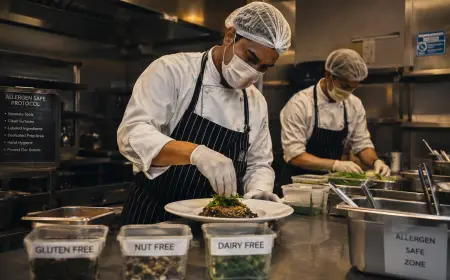
Show up in full uniform. Hands clean, station clean. Tools and ingredients ready before you start.
2. Ingredient Preparation
Wash, peel, cut, and measure as per recipe. Keep cuts consistent. Uneven prep leads to uneven cooking.
3. Method Selection
Pick the right method for the dish. Know if it needs dry heat or moist heat. This decision drives everything.
4. Cooking Execution
Cook with control. Watch heat. Watch time. No guessing. Avoid overcooking or undercooking.
5. Monitoring and Adjustment
Stay on the food. Adjust heat, seasoning, and timing as needed. Consistency is your job.
6. Plating and Presentation
Plate clean. Control portions. No mess on the rim. Pro tip: Guests eat with their eyes first.
7. Post-Cooking Cleanup
Clean down immediately. Store leftovers properly. Sanitize tools and reset your station.
Types of Basic Cooking Methods and Operational Use
Cooking methods fall into three categories. Know them cold.
- Moist Heat Methods:
- Boiling – Cooking food in water at high temperature (used for rice, pasta)
- Simmering – Lower heat than boiling (used for soups, curries)
- Steaming – Cooking with steam, no direct water contact (used for vegetables, dumplings)
- Poaching – Gentle cooking in liquid (used for eggs, fish)
b. Dry Heat Methods:
- Frying – Cooking in oil (deep or shallow)
- Grilling – Direct heat cooking
- Roasting – Oven cooking with dry heat
- Baking – Used for breads, pastries, desserts
c. Combination Methods:
- Braising – Starts dry, finishes with moisture
- Stewing – Slow cooking in liquid over low heat Each method needs tight control over heat, timing, and handling. No control, no consistency.
Operational Cooking Workflow and Kitchen Coordination
A clean workflow keeps the kitchen moving and avoids service friction.
Step-by-Step Cooking Workflow:
• Complete mise-en-place before firing
• Select correct cooking method
• Preheat equipment properly
• Start cooking as per order flow
• Monitor food continuously
• Adjust seasoning and heat
• Plate as per standards
• Send to service immediately
Cooking Timing Benchmarks:
• Ingredient preparation: 10–20 minutes
• Basic cooking methods: 5–15 minutes
• Plating time: within 2 minutes
• Dispatch to service: immediate Timing is everything. Miss the window, you slow the whole line.
Kitchen Safety and Food Handling Practices
Safety is non-negotiable. One mistake can shut the kitchen down.
Personal Hygiene:
• Wash hands before and after handling food
• Wear clean uniform and protective gear
• Maintain grooming standards
Food Safety:
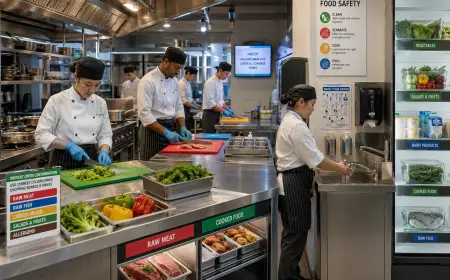
• Avoid cross-contamination between raw and cooked food
• Store ingredients at correct temperatures
• Follow FIFO strictly
Equipment Safety:
• Handle knives and hot surfaces with focus
• Use protective gloves when needed
• Switch off equipment after use
Workstation Safety: • Keep your station clean and organized
• No spills, no clutter
• Dispose waste properly Clean kitchen. Safe kitchen. Fast kitchen.
Tools and Equipment Used in Basic Cooking Methods
Right tools make the job easier. Wrong tools slow you down.
Primary Equipment:
• Gas ranges and induction stoves
• Frying pans and saucepans
• Ovens and grills
• Steamers
Basic Tools:
• Knives and cutting boards
• Mixing bowls and ladles
• Spatulas and tongs
• Measuring cups and spoons
Handling Guidelines:
• Clean tools before and after use
• Use the right tool for the job
• Store equipment properly
• Report damaged tools immediately Respect your tools. They control your output.
Service Standards and Performance Metrics
Standards keep the kitchen disciplined.
Key Performance Metrics:
• Cooking accuracy: 100%
• Food quality consistency: above 90%
• Timing adherence: above 90%
• Hygiene compliance: 100%
• Wastage control: minimized No excuses here. Either you hit the mark or you fix it.
Evaluation and Continuous Improvement
You improve by getting checked. Every shift is feedback.
Evaluation Methods:
• Supervisor observation during cooking
• Taste and quality checks
• Hygiene audits
• Time management assessment
• Feedback from senior chefs Common issues? Wrong method, poor timing, inconsistent results. Fix them through repetition and discipline. Beginner cooking methods training is your foundation. Get this right, and you earn your place on the line. Get it wrong, and the kitchen will show it immediately.
Read more about Food and beverage Service Training here.