Introduction to Food and Beverage Service Training Guide
Explore our introduction to food and beverage service training guide covering SOPs, table service styles, guest handling, and operational standards.
 Jyoti Kushwaha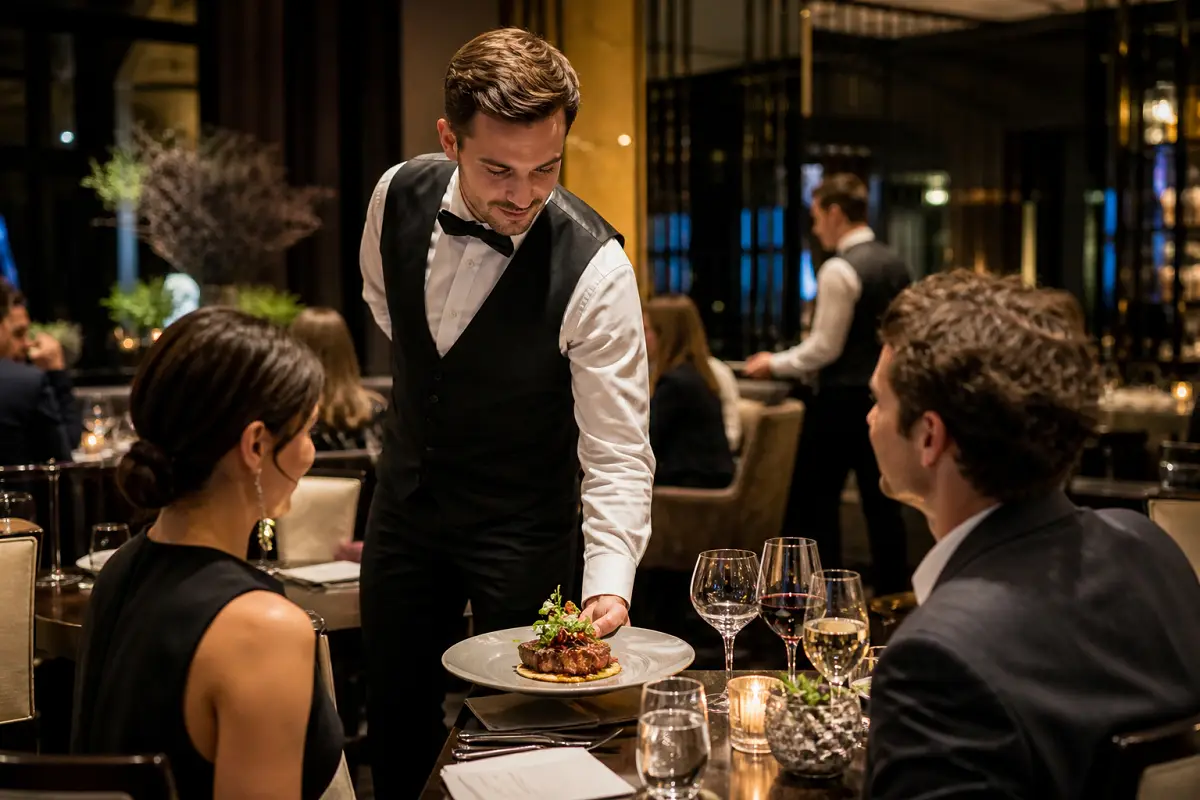
Quick answer: Food and beverage service involves serving food and drinks to customers across restaurants, cafes, bars, and hotels. It focuses on customer satisfaction, structured table service, professional management, and delivering a memorable dining experience.
Food and beverage services involve the work of serving drinks and food to customers. (F&B) services go beyond restaurants, cafes, and bars. Cafeterias, catering companies, food trucks, and hotel room service are also key ventures that operate within the food and beverage sector. This article provides all information about Food and Beverage Service Training guide with SOP & professional standards
What is Food and Beverage Service?
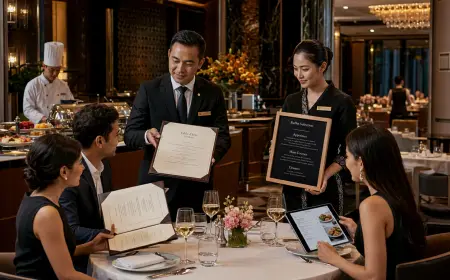
Food and beverage service play a crucial role in the dining experience. It is centered on customer satisfaction and involves making customers feel welcome from the moment they arrive. It requires bringing food and drinks to the table without delay.
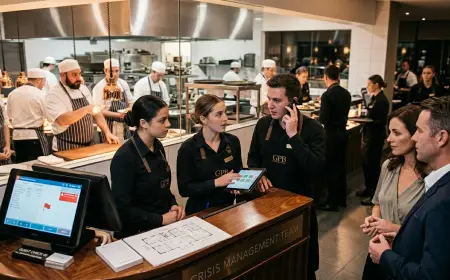
Behind the scenes, it takes strong management to keep things running smoothly by organizing the staff, preparing the tables, and ensuring clear communication with the kitchen.
It also involves coordinating preparation of the order which includes preparing and presenting it without mistakes, and serving food and beverages to customers in a systematic and coordinated fashion. The main goal is to provide the customer with a memorable dining experience.
Why is Food and Beverage Service Important?
Food and beverage services are very important in the hospitality industry. Acts such as responding quickly to customer requests, fostering positive interpersonal interactions, and providing additional facilities and services enhance the overall dining experience. It builds brand reputation and strengthens customer loyalty. A venue that offers a great experience is more appealing.
In the age of social media, people tend to frequent those restaurants that deliver exceptional service. As a result, a positive experience attracts more visitors. Since dining is the primary revenue source in the hospitality industry, ensuring a high-quality experience ensures more customers and more profit.This is why F&B services are popular these days from small hotels to very luxurious resorts.
What are the Types of Food and Beverage Service?
Food and Beverage service can be classified into several types based on style and formality. Each type is used in different hospitality settings.
Types of F&B Service:
|
Table Service |
Food is served directly to guests at their table |
|
Buffet Service |
Guests serve themselves from a variety of dishes |
|
Self-Service |
Customers collect their food themselves (e.g., cafeterias) |
|
Room Service |
Food is delivered to guest rooms in hotels |
|
Takeaway/Delivery Service |
Food is prepared for off-site consumption |
How Do Different Service Styles Compare?
Service styles differ in level of formality, guest interaction, and efficiency. The table below compares various service styles.
|
Service Style |
Level of Formality |
Guest Interaction |
Speed of Service |
Example of Establishment |
|
Table Service |
High |
High |
Moderate |
Find dining restaurant |
|
Buffet Service |
Medium |
Low |
Fast |
Hotels, Banquets |
|
Self-Service |
Low |
Minimal |
Very Fast |
Cafeterias |
|
Room Service |
High |
Personalized |
Moderate |
Hotels |
|
Takeaway/ Delivery Service |
Low |
Minimal |
Very Fast |
Fast food outlets |
What Skills are Required in Food and Beverage Service Training?
Food & Beverage services require staff with strong communication skills to coordinate with staff involved in management. Staff are required to interact with customers and cater to their requests which requires strong interpersonal skills.
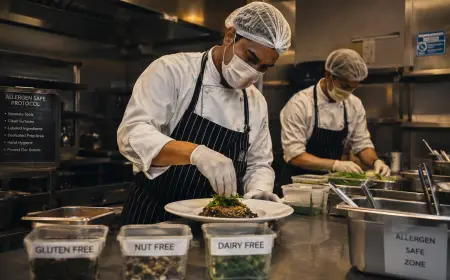
Technical skills like table service techniques (handling cutlery, carrying trays and plating), proficiency in POS system, deep understanding of the menu (ingredients and allergens), and various operational skills, like table setup are also to ensure smooth operations.
Time management and multitasking are required to handle various customers and staff at the same time.
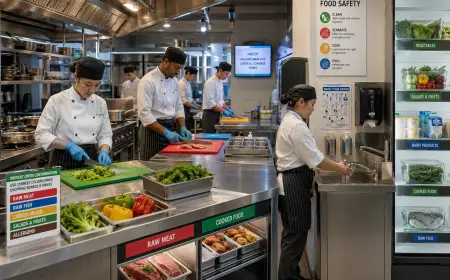
Knowledge about food safety standards and hygiene regulations are necessary to prevent contamination of food.
What are the Key Responsibilities in F&B Service?
The main responsibilities in Food and Beverage service involve ensuring efficient operations for greater customer satisfaction. Some key responsibilities are:
-
Greeting and seating guests.
-
Taking orders accurately.
-
Answering all questions related to the menu.
-
Serving food and beverages professionally, without delay.
-
Coordinating with kitchen staff to ensure orders are prepared on time.
-
Maintaining cleanliness and hygiene.
-
Handling billing and payments.
-
Managing customer complaints politely.
What is the Role of Technology in Modern F&B Service?
In the digital age, technology is widely used in F&B service. For example:
-
Digital ordering systems and tablets
-
POS (Point of Sale) systems
-
Online reservations and delivery apps
-
Inventory management software
-
Contactless payment methods (UPI, Credit card, Debit card)
What are the Career Opportunities in Food and Beverage Service?
Food and Beverage service gives you multiple roles to step into. You don’t stay in one position unless you choose to.
You start with:
-
Waiter/Server
-
Bartender
-
Room Service Executive
Then you move up:
-
Restaurant Manager
-
Banquet Manager
-
Food and Beverage Manager
And if you stay consistent and sharp, you don’t stop there. You move into senior management. Or you open your own place.
But here’s the truth, growth doesn’t come with time alone. It comes from how you handle guests, pressure, and the pace of service.
Pro-Tip
Good servers wait to be told. Great servers stay one step ahead. Refill water before it’s asked. Suggest dishes that actually match the guest. Notice occasions and act on them. That’s how you lift the table’s vibe without making noise about it.
2026 Trend
The service floor is changing. And it’s happening fast. Guests expect personalized service, not rehearsed lines. Zero-waste kitchens and plant-based menus are picking up. AI ordering is making service quicker. Robotic assistants are entering busy outlets. Culture-based restaurants are drawing in younger crowds. But don’t get it twisted, tech supports service, it doesn’t replace it. A server who understands people will always stand stronger than any system.
Looking for jobs in Food and Beverage Services? Learn more about Food service systems here.
Frequently Asked Questions
What is food and beverage service?
Food and beverage service involves serving drinks and food to customers across venues like restaurants, cafes, bars, cafeterias, catering companies, and hotel room service, with a core focus on customer satisfaction.
Why is food and beverage service important in hospitality?
F&B service is vital because it enhances the overall dining experience through quick responses, positive interactions, and quality service. This builds brand reputation, fosters customer loyalty, and drives venue profitability.
What are the main types of food and beverage service?
The primary types of food and beverage service include table service, buffet service, self-service, room service, and takeaway or delivery service, each tailored to different hospitality settings and styles.